Switzerland’s highest court has affirmed a 20-year prison sentence for former Liberian rebel commander Alieu Kosiah, cementing a landmark conviction for war crimes committed during Liberia’s brutal civil wars. However, the Federal Supreme Court overturned a previous ruling that had found Kosiah guilty of crimes against humanity, citing the principle of non-retroactivity. This decision marks the final chapter in a complex legal battle that has brought a measure of justice to victims of atrocities and underscored Switzerland’s commitment to universal jurisdiction.
The Federal Supreme Court’s verdict, released Friday and dated September 28, definitively rejected Kosiah’s appeal against his conviction for violations of the laws of war. These grave offenses, which included murder, rape, and the use of child soldiers, were found to have occurred between 1993 and 1995, during the first of Liberia’s devastating civil conflicts. The ruling reinforces the maximum sentence of 20 years previously handed down.
Alieu Kosiah, now 51, was found guilty in 2021 by Switzerland’s Federal Criminal Court of a series of heinous acts committed while he commanded factions within the United Liberation Movement of Liberia for Democracy (ULIMO). The court detailed how Kosiah directly participated in or ordered the killings of at least 17 civilians and two unarmed soldiers. His command was also implicated in widespread looting, the systematic rape of women, and the cruel and humiliating treatment of civilians, including the desecration of corpses.
The legal proceedings in Switzerland have been closely watched, representing a significant development in the global pursuit of accountability for atrocities committed during Liberia’s protracted periods of conflict. The country, which experienced two civil wars from 1989 to 2003 resulting in an estimated 250,000 deaths, has long grappled with the legacy of violence and impunity.
Landmark War Crimes Conviction in Swiss Courts
The Federal Supreme Court’s decision solidifies the conviction for war crimes as final, marking the first time a Swiss civilian court has issued such a judgment. Furthermore, it represents the first conviction anywhere in the world of a Liberian national for war crimes perpetrated during the nation’s civil wars. This achievement is largely attributed to the tireless efforts of organizations like Civitas Maxima, which advocates for victims of international crimes.
Civitas Maxima, instrumental in bringing Kosiah to justice and representing the victims in this case, issued a statement emphasizing the significance of the ruling. “Today the survivors of Alieu Kosiah’s crimes have final justice,” said Alain Werner, director of Civitas Maxima. He acknowledged the court’s affirmation of the war crimes conviction but expressed profound disappointment regarding the acquittal on crimes against humanity.
The Nuance of Crimes Against Humanity Ruling
The Swiss Federal Criminal Court’s appeals chamber had, in 2023, not only upheld Kosiah’s 20-year sentence but also, in a historic move for Swiss jurisprudence, found him guilty of crimes against humanity. This new ruling was based on the widespread and systematic nature of the atrocities attributed to him. However, the Federal Supreme Court’s latest verdict reversed this specific finding.
The supreme court’s rationale for acquitting Kosiah of crimes against humanity hinged on a strict interpretation of the principle of non-retroactivity. The court stated that the offense of crimes against humanity, which was only incorporated into Swiss law in 2011, cannot be applied to acts committed before that date. Therefore, Kosiah’s actions between 1993 and 1995, though deemed war crimes, could not be prosecuted under the newer, broader category of crimes against humanity.
This legal distinction highlights a critical aspect of international criminal law, where the specific definitions and dates of legislative inclusion of offenses are paramount. While the acts themselves were recognized as horrific and qualifying as violations of the laws of war, their classification under the crimes against humanity statute was retroactively deemed inapplicable by the highest court.

Switzerland’s Commitment to Universal Jurisdiction
Switzerland’s legal framework allows for the prosecution of individuals suspected of international crimes under the principle of universal jurisdiction. This principle empowers national courts to try individuals for certain heinous offenses, regardless of where the crimes were committed or the nationality of the perpetrator or victim. This legal stance has positioned Switzerland as a significant venue for international justice, enabling victims to seek redress when other avenues are unavailable.
Kosiah, who reportedly settled in Switzerland in the late 1990s, was arrested in the country in 2014. His arrest and subsequent trial underscore the long arm of international law and the possibility of holding perpetrators accountable years, even decades, after the commission of their crimes. The lengthy investigation and legal process reflect the complexities involved in prosecuting international crimes, which often require extensive evidence gathering and witness testimonies.
Context of Liberia’s Civil Wars
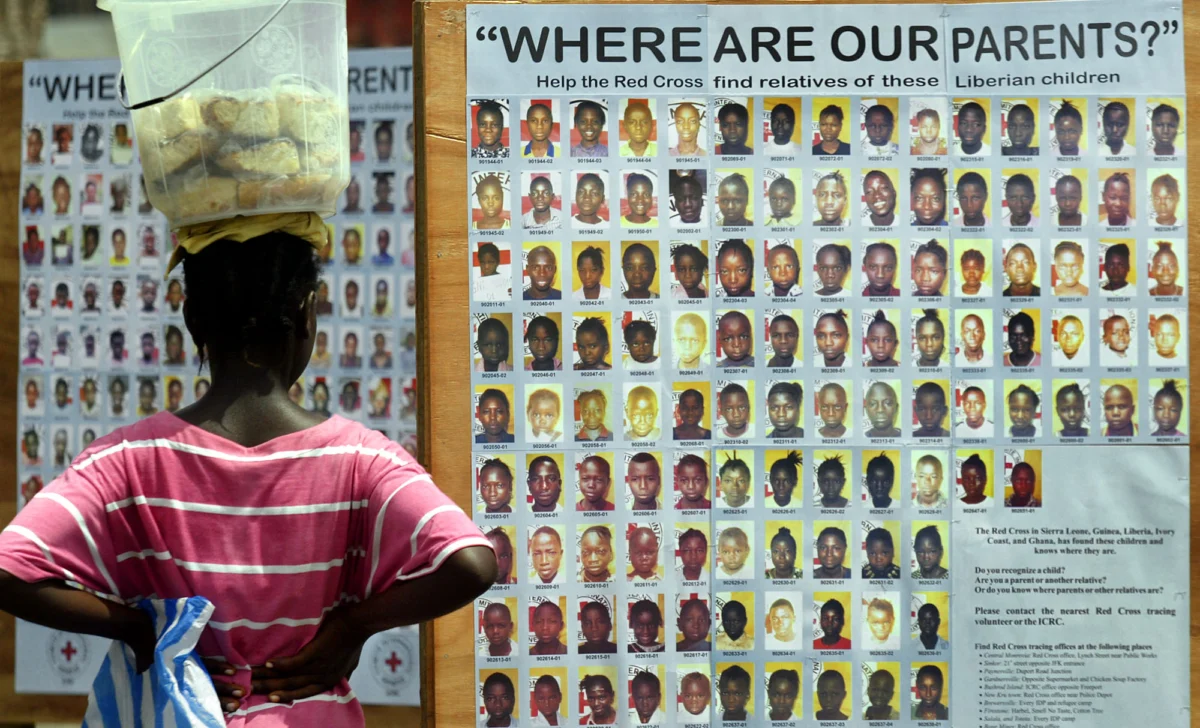
Liberia’s civil wars were characterized by extreme violence, widespread human rights abuses, and the brutalization of civilian populations. The conflicts involved numerous factions, often employing child soldiers, and were marked by a breakdown of law and order. The impact of these wars continues to be felt by Liberian society, with many survivors still seeking justice and reconciliation.
The first civil war, from 1989 to 1997, was particularly devastating, leading to massive displacement and loss of life. The second, from 1999 to 2003, further deepened the country’s wounds. The prosecution of individuals like Alieu Kosiah is crucial for acknowledging the suffering of victims, deterring future atrocities, and contributing to the broader process of transitional justice in Liberia.
Broader Implications for International Justice
The Kosiah case has significant implications for the future of international criminal justice. It demonstrates that even in countries where domestic legal systems may be weak or compromised, perpetrators of the most serious crimes can still be brought to account through the application of universal jurisdiction in other states. The Swiss courts’ handling of the case highlights the meticulous nature of such prosecutions and the importance of clear legal definitions.
The differing rulings on war crimes and crimes against humanity also underscore the need for ongoing legal scholarship and judicial interpretation in international law. As the legal landscape evolves, particularly with the introduction of new categories of offenses or amendments to existing ones, courts must carefully consider the temporal application of these laws to ensure fairness and uphold legal principles.
The dual conviction and subsequent partial acquittal in the Kosiah case provide valuable insights into the challenges of prosecuting historical atrocities. While the war crimes conviction stands, the inability to prosecute under the crimes against humanity statute due to its later introduction into Swiss law is a stark reminder of the legal constraints that can shape the outcome of justice.
The Path Forward for Victims and Accountability
For the victims and their families, the finality of the 20-year sentence for war crimes offers a measure of closure. The acknowledgment of Kosiah’s guilt for the horrific acts he committed is a critical step in their long journey for justice. However, the acquittal on crimes against humanity, while legally sound within the framework of Swiss law, may leave some feeling that the full extent of his alleged brutality has not been legally recognized under the most severe charge.
Civitas Maxima’s statement reflects this complex sentiment, acknowledging justice while also voicing the enduring pain and the belief that the acts themselves constitute crimes against humanity, regardless of legislative timelines. This sentiment is echoed by many who have followed the case, highlighting the gap that can sometimes exist between legal definitions and the lived experience of victims.
The case of Alieu Kosiah is a testament to the perseverance of justice advocates and the potential for international cooperation in holding perpetrators of grave crimes accountable. It reinforces Switzerland’s role as a key player in the global fight against impunity, even as it navigates the intricate nuances of international criminal law. The conviction for war crimes stands as a significant victory for human rights and a somber reminder of the horrors unleashed during Liberia’s civil wars.