Prime Minister Anthony Albanese is set to depart for the United States for a high-stakes meeting with Apple CEO Tim Cook, a move that highlights Australia’s aggressive push into global digital safety regulation. The visit follows the Labor government’s introduction of landmark social media reforms, including a world-first ban on children under 16 using such platforms. Simultaneously, Home Affairs Minister Tony Burke is defending the administration’s newly unveiled immigration strategy against criticism from both the opposition and industry stakeholders who fear the changes could exacerbate labor shortages.
The Prime Minister’s itinerary includes a visit to Apple’s headquarters in Cupertino, California, where discussions will focus on the tech giant’s latest parental control features. Government officials have indicated that Apple’s new suite of safety tools was "in part inspired" by the legislative framework established in Canberra. The meeting is the culmination of a dialogue that began with a phone call between Albanese and Cook in June, signaling a shift in how national governments interact with multi-national tech entities over the issue of minor safety.
Albanese to Meet Apple’s Tim Cook in US After Social Media Reform
The meeting between Albanese and the Apple executive comes at a critical juncture for international tech policy. Australia has recently introduced a "digital duty of care" reform, a legislative package that mandates platforms to protect young users from harmful content, including material that glorifies crime, eating disorders, or misogyny. This regulatory shift has positioned Australia as a test case for how liberal democracies can balance digital freedom with the protection of vulnerable citizens.
Albanese has expressed pride in Australia’s role as a global pacesetter for digital safety. The government’s stance is that tech companies must take proactive responsibility for the algorithms and content delivery systems they manage. By meeting with Tim Cook, the Prime Minister aims to ensure that hardware and software providers are aligned with these legislative goals, potentially creating a blueprint for other nations to follow.

The visit also serves as a diplomatic bridge-building exercise. While the Australian government has taken a firm line against several social media platforms regarding misinformation and child safety, the relationship with Apple remains collaborative. The discussion on parental controls suggests that the government sees technology itself—rather than just prohibition—as a key component of its long-term strategy to safeguard the digital environment.
Burke Defends Immigration Policy Amid Political Tension
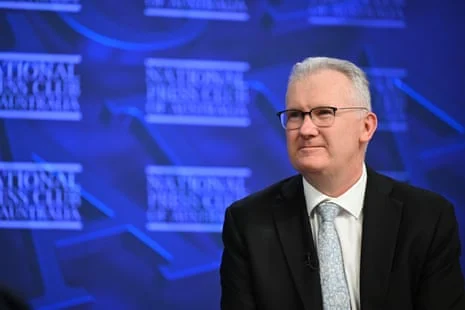
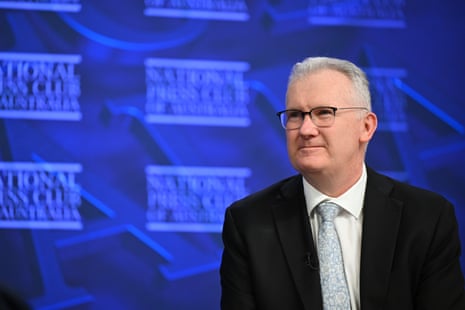
While the Prime Minister focuses on international tech diplomacy, Home Affairs Minister Tony Burke is managing a domestic firestorm regarding the government’s migration strategy. Appearing on ABC’s 7.30 program, Burke defended the time taken to release the comprehensive immigration plan, which has been the subject of intense debate for months. He attributed the delays to the complexity of the visa system and the need to ensure a "soft landing" for the Australian economy.
The new policy aims to balance the nation’s labor needs with the ongoing housing supply crisis. Burke argued that while immigration is not the primary cause of housing shortages, it must be managed in a way that aligns with infrastructure capacity. The Minister pushed back against the Coalition’s narrative, suggesting that the opposition’s demands for stricter legislation were politically motivated rather than policy-driven.
The opposition has been quick to criticize the plan. Shadow Treasurer Angus Taylor argued that the government has failed to implement necessary cuts to migration numbers, which he claims are currently unsustainable. Taylor stated that while Australia remains a "great immigrant nation," the current influx of people is placing an intolerable strain on services, infrastructure, and the housing market. The Coalition has called for a hard cap on migration tied directly to housing completion rates.
Albanese to Meet Apple’s Tim Cook in US After Social Media Reform: Global and Domestic Context
The dual focus on tech reform and immigration policy reflects the Labor government’s broader strategy of modernizing Australia’s regulatory landscape. The Prime Minister’s trip to the U.S. is not limited to California; he will also travel to New York to lead the Australian delegation at the United Nations General Assembly. This high-level mission is part of a concerted effort to secure a non-permanent seat on the UN Security Council for the 2029-2030 term.

Foreign Affairs Minister Penny Wong emphasized that "sovereignty, prosperity, and peace are not a given" in the current geopolitical climate. The government’s priorities at the UN include climate change, digital safety, and regional security. By advocating for a rules-based international order, Australia is attempting to bolster its influence in an increasingly polarized global environment.
The push for a Security Council seat involves intense lobbying, a process that will accelerate during the General Assembly. Australia last held a seat on the council in 2014, and officials believe a return to the table is essential for protecting national interests in the Indo-Pacific. The government’s messaging at the UN will likely mirror its domestic focus on "multilateralism" and "shared benefits" through cooperation.
AUKUS and the Defense Strategy: Five Years On
Coinciding with the Prime Minister’s U.S. visit is the fifth anniversary of the AUKUS pact, the trilateral security agreement between Australia, the United Kingdom, and the United States. In Washington D.C., British AUKUS chief Sir Stephen Lovegrove addressed the Center for Strategic and International Studies, noting that the "hatred" of the deal by adversaries is a primary indicator of its success.
Lovegrove’s comments were echoed by Greg Moriarty, Australia’s Ambassador to the United States and former Secretary of the Department of Defence. Moriarty dismissed claims from Beijing that the AUKUS agreement is destabilizing the region. He argued that the acquisition of nuclear-powered submarines is a necessary response to the "profound" growth of the People’s Liberation Army’s naval capabilities.
Under the AUKUS Pillar One agreement, Australia is slated to spend approximately $368 billion through the mid-2050s. The plan involves purchasing three Virginia-class submarines from the U.S. starting in 2032, followed by the domestic construction of a new "AUKUS-class" vessel in South Australia. Despite the strategic justification, the program faces ongoing scrutiny regarding shipbuilding timelines, cost overruns, and the degree of sovereign control Australia will maintain over the nuclear-powered fleet.
Impact on the Public and Industry
The government’s immigration and tech policies have direct implications for the Australian public. Employment Minister Amanda Rishworth recently addressed concerns that migration cuts could threaten food security and increase the cost of living. Rishworth insisted that the Pacific Australia Labour Mobility (PALM) scheme and existing backpacker visa arrangements would remain robust enough to support the agricultural sector.
However, industry leaders in the farming and hospitality sectors remain wary. They argue that any significant reduction in temporary visa holders could lead to labor shortages in regional areas, potentially driving up prices for fresh produce. The government’s challenge is to implement "integrity and compliance" in the migration system without stifling the economic sectors that rely on foreign labor.
On the digital front, the upcoming meeting between Albanese and Tim Cook is expected to influence how tech platforms operate within Australia. If Apple implements more rigorous parental controls globally based on Australian standards, it could mark a significant victory for the Albanese administration. For parents and educators, these reforms represent a potential shift toward a more controlled and safer online environment for children, though critics remain concerned about the technical feasibility of age-verification mandates.
Conclusion and Next Steps
As Prime Minister Albanese prepares for his meetings in California and New York, the focus remains on Australia’s ability to project influence on the world stage while managing complex issues at home. The success of the "Australia news live: Albanese to meet Apple’s Tim Cook in US after social media reform; Burke defends immigration policy" narrative depends on the government’s ability to turn high-level diplomatic meetings into tangible policy outcomes.
In the coming weeks, the Australian public will look for more details on the implementation of the social media ban and the specific metrics of the immigration overhaul. The opposition is expected to continue its critique of the government’s handling of the housing crisis, keeping migration at the center of the political debate. Meanwhile, the international community will be watching to see if Australia’s bold stance on tech regulation becomes a new global standard or remains an isolated legislative experiment.