A pivotal insight into the deadlocked murder trial of Lindsay Clancy has emerged, with a journalist revealing the steadfast reasoning of the lone holdout juror who prevented her acquittal. This juror reportedly maintained that Clancy, accused of strangling her three young children, understood the profound wrongness of her actions, a conviction reportedly solidified by the methodical nature of the killings rather than a swift, impulsive act.
The Juror’s Unwavering Rationale
Ray Marcel, the creator of Fugitive TV, shared details of his conversation with the unnamed juror during an appearance on NewsNation’s Chris Cuomo on September 16, 2026. According to Marcel, the juror’s belief was rooted in the perception that Clancy’s actions demonstrated clear premeditation and an awareness of right from wrong. This perspective directly challenged the defense’s argument of legal insanity, which posited that Clancy was not criminally responsible due to severe mental health issues.
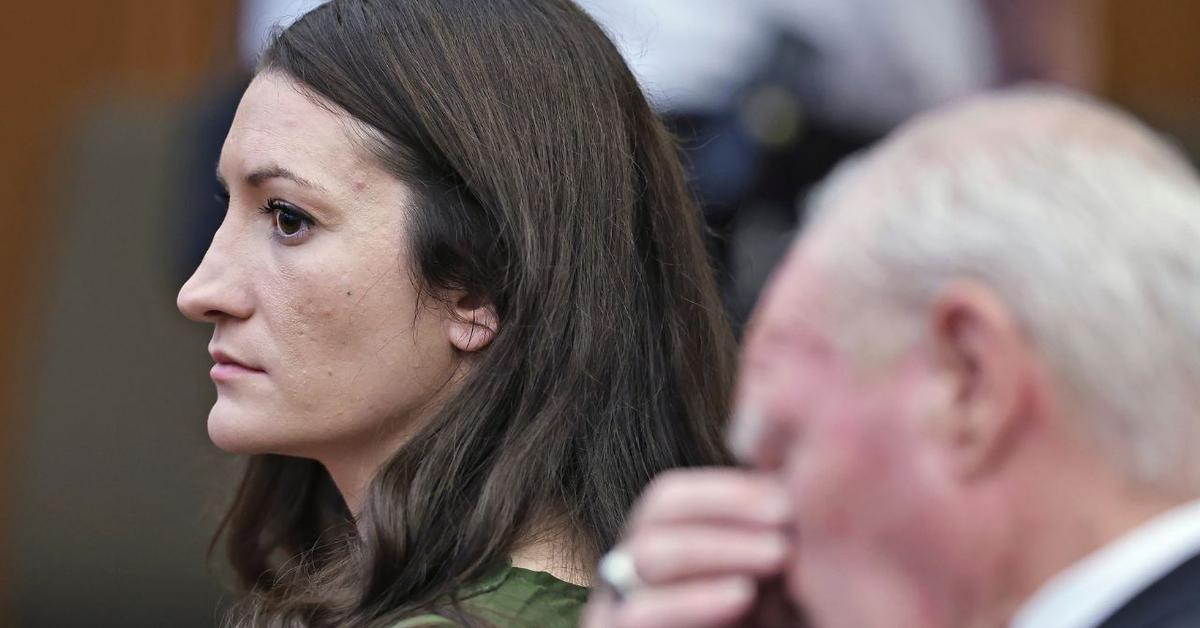
The holdout juror reportedly highlighted specific details of the crime to support his conviction. He emphasized that the deaths of the children – 5-year-old Cora, 3-year-old Dawson, and 8-month-old Callan – were not "a quick death." Instead, he pointed to the fact that Clancy "took her time and did to the kid, each one that she did, strangled each one in separate rooms." This deliberate, drawn-out process, coupled with the alleged act of sending her husband out on an errand just prior to the murders, led the juror to conclude that Clancy possessed the capacity to plan and understand the moral implications of her actions. For him, these elements indicated a sane mind capable of criminal intent, rather than a mind entirely overtaken by mental illness.
The Tragic Case of Lindsay Clancy
The case against Lindsay Clancy captivated national attention since the tragic events of 2023. Clancy, a former labor and delivery nurse from Duxbury, Massachusetts, admitted to strangling her three children in their home. Her defense team, led by attorney Kevin Reddington, mounted an insanity plea, arguing that Clancy was suffering from severe postpartum depression and bipolar disorder, which culminated in postpartum psychosis at the time of the murders. This defense aimed to establish that she lacked the criminal intent necessary for a murder conviction, asserting that her mental state rendered her unable to appreciate the wrongfulness of her actions.
The prosecution, however, sought to prove that despite any mental health struggles, Clancy meticulously planned the killings. They presented evidence suggesting a calculated sequence of events, including the timing of her husband’s departure from the home, to counter the narrative of an impulsive act driven solely by psychosis. The legal battle centered on the crucial distinction between a medical diagnosis of mental illness and the legal standard for insanity, which typically requires a defendant to be unable to understand the nature or wrongfulness of their actions.
Jury Deliberations and the Path to Mistrial
The jury deliberations in the Lindsay Clancy trial were intensely scrutinized, revealing a deeply divided panel. Marcel’s account offered a rare glimpse into the internal dynamics, explaining that the final 11-1 split was not the initial configuration. He stated that at the outset of deliberations, eight jurors were inclined to vote not guilty, two were undecided, and two, including the eventual holdout, were convinced of her guilt.
Over the course of the deliberations, the majority swayed towards an acquittal, reflecting a consensus that the defense had successfully cast reasonable doubt on Clancy’s mental state at the time of the crime. However, the lone juror remained resolute. Marcel described the holdout as "standing his ground," even as another juror, previously leaning towards conviction, ultimately shifted to a "not guilty" stance in the final moments. This unwavering dissent ultimately led to the declaration of a mistrial, leaving the future of the high-profile case uncertain and frustrating both legal teams and a public hungry for resolution.
Broader Implications of the Insanity Defense
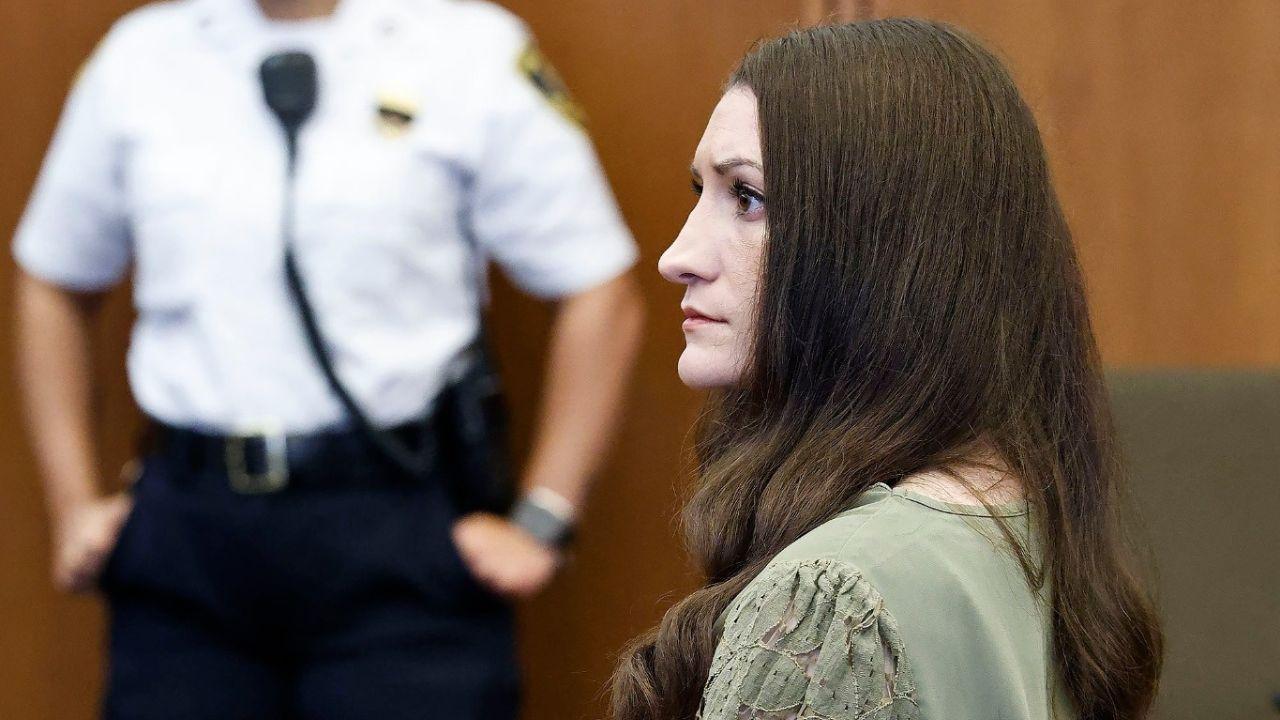
The Lindsay Clancy trial underscored the profound complexities and public perception challenges inherent in the insanity defense. This legal strategy, while recognized, often faces skepticism, particularly in cases involving horrific acts against children. The M’Naghten Rule, or similar standards applied in U.S. jurisdictions, requires a high bar of proof, demanding that the defendant, at the time of committing the act, was laboring under such a defect of reason, from disease of the mind, as not to know the nature and quality of the act he was doing, or if he did know it, that he did not know he was doing what was wrong.
The holdout juror’s focus on the "preparation" and methodical nature of the killings highlights a common public struggle with the insanity defense: the difficulty in reconciling a heinous act with a claim of legal non-culpability. For many, the planning involved, such as sending her husband away, suggests a level of cognitive function that contradicts the total mental incapacity required for an insanity plea. This case forces a national dialogue on how the justice system balances accountability for unimaginable crimes with compassion for those suffering from severe mental illness, particularly in the context of maternal mental health crises like postpartum psychosis.
Public and Political Fallout from the Lindsay Clancy Mistrial
The mistrial in the Lindsay Clancy case ignited a firestorm of public and political commentary, with the lone holdout juror becoming an unexpected focal point. Many conservatives, who had advocated for Clancy’s conviction, lauded the juror as a hero, viewing his stance as a courageous defense of justice against what they perceived as an overly lenient application of the law or a sympathy-driven verdict. This sentiment was dramatically amplified when Florida Governor Ron DeSantis publicly offered the unnamed juror "asylum" in his state, transforming a legal proceeding into a highly politicized event. DeSantis’s offer, while largely symbolic, underscored the deep ideological divisions surrounding the case and its implications for personal responsibility versus mental health advocacy.
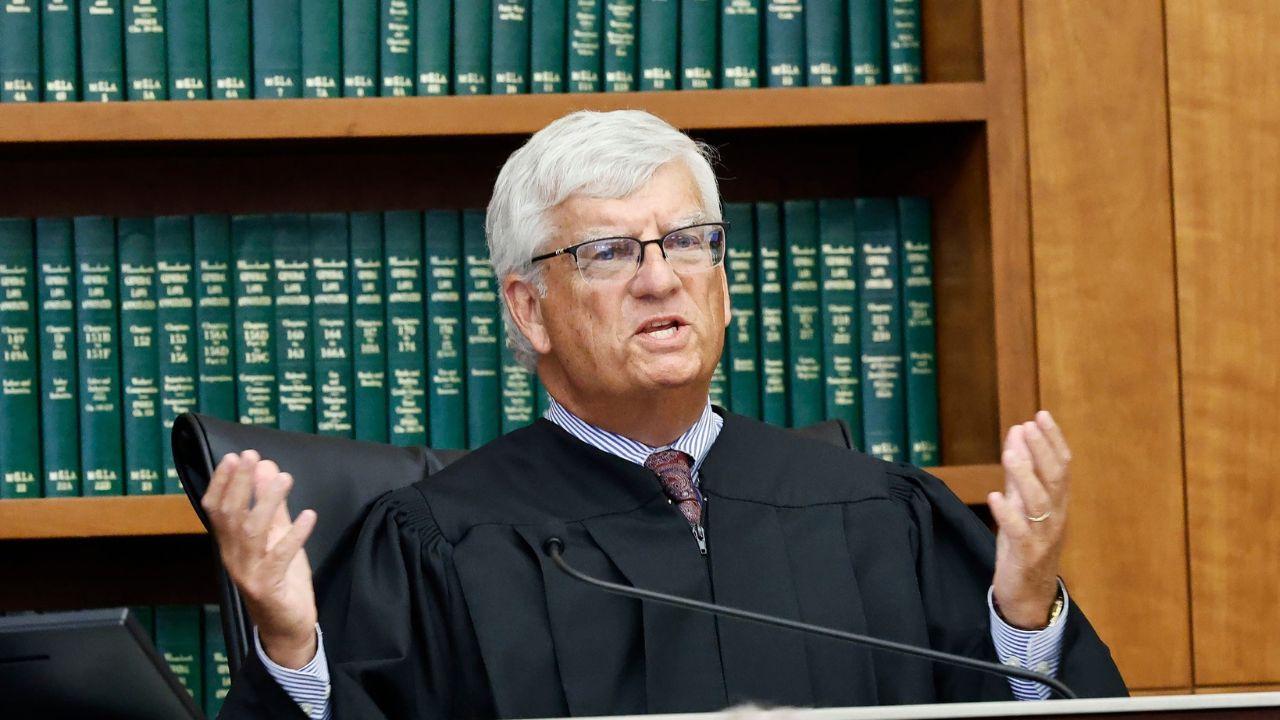
Further complicating the narrative was the revelation, shared by another juror, that the holdout was the only Black member on the panel. This detail added a layer of socio-political complexity, with discussions emerging about racial representation in juries and potential biases, though the juror’s race was not directly cited by Marcel as a factor in his decision-making. The confluence of a high-profile crime, a contentious defense, and a deadlocked jury led to an intense public discourse, reflecting broader societal debates on justice, mental illness, and the integrity of the jury system.
Defense Reactions and an Uncertain Future
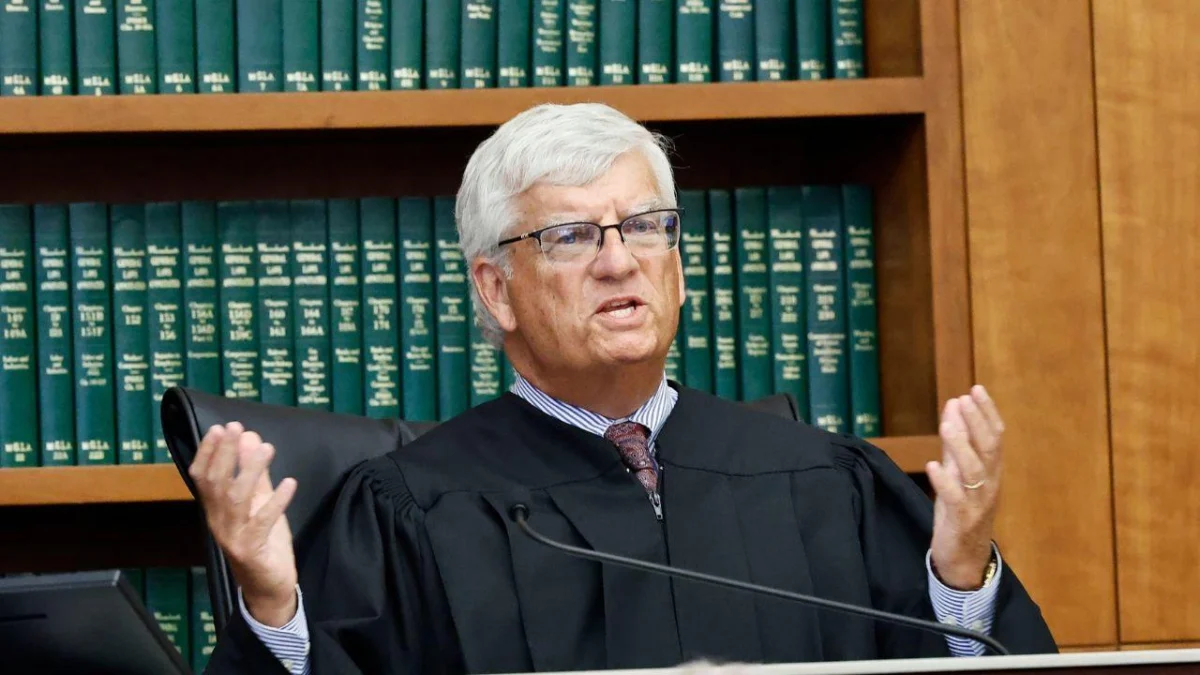
Kevin Reddington, Lindsay Clancy’s attorney, publicly voiced his frustration following the mistrial, specifically targeting the holdout juror. Reddington expressed his belief that the juror "would not apply the law of reasonable doubt as presented by the judge." This criticism suggests a perceived failure on the juror’s part to adhere to legal instructions, potentially privileging personal conviction over judicial guidance. Such accusations, while not uncommon in cases of deadlocked juries, underscore the profound impact a single juror can have on the outcome of a trial and the often-contentious aftermath.
With the declaration of a mistrial, Lindsay Clancy’s legal fate remains in limbo. The initial charges of murder in the first degree against her have not been resolved. A status hearing for next steps in the case is scheduled for September 29, 2026. This hearing will determine whether the prosecution will seek a new trial, potentially before a different jury, or explore alternative resolutions, such as a plea agreement. The emotional and legal toll on Clancy, her family, the victims’ family, and the community continues to mount as the pursuit of justice for Cora, Dawson, and Callan navigates an increasingly complex and emotionally charged path. The profound questions surrounding mental health, culpability, and the workings of the American justice system remain open, awaiting further legal action.