
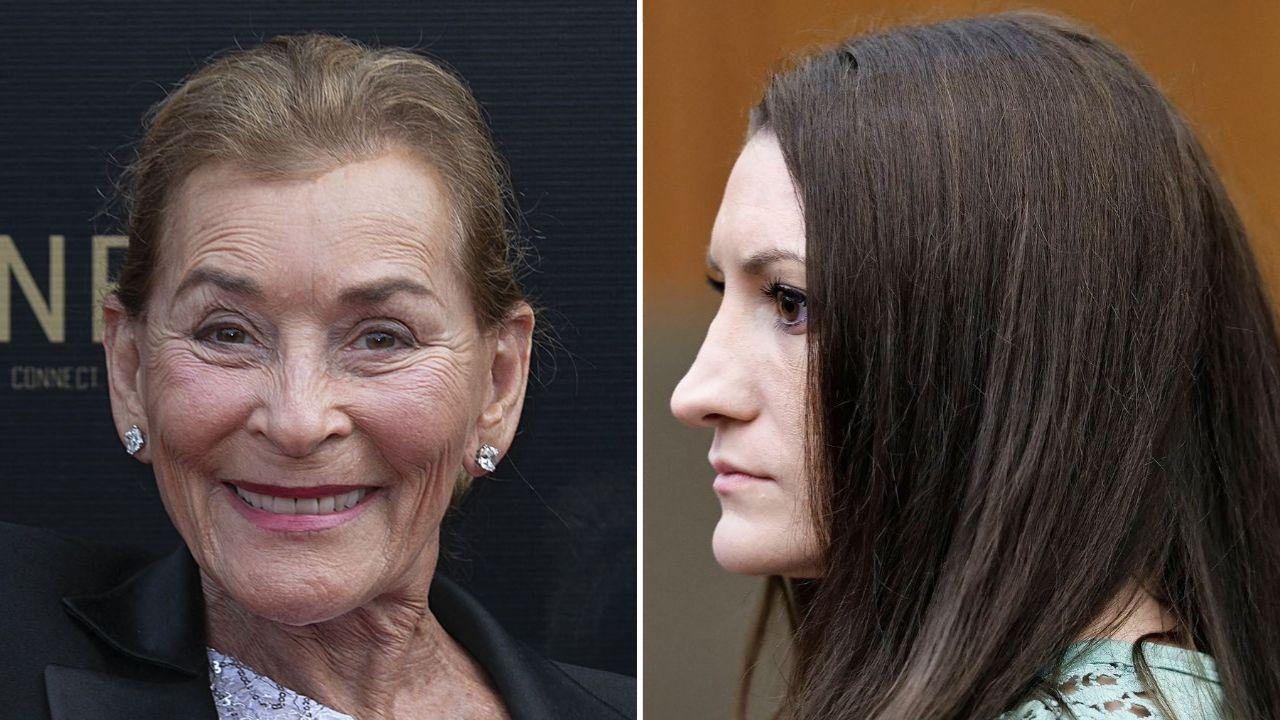
Celebrated television arbiter Judge Judy Sheindlin recently voiced significant concerns regarding the outcome of the Lindsay Clancy murder case, which concluded in a mistrial earlier this month. Sheindlin, a veteran of the judicial system, asserted that failing to retry Clancy, who stands accused of fatally strangling her three young children, poses a "real danger" to the justice system and public perception.
Sheindlin, 83, shared her perspective with TMZ on Thursday, September 17, emphasizing the undeniable tragedy at the heart of the proceedings. "There’s no question that she killed her children, the only question is, ‘Is there an excuse for it?’" Sheindlin stated, inviting the public to form their own conclusions on the complex matter. Her remarks underscore a broader societal debate surrounding criminal responsibility, mental health defenses, and the pursuit of justice in deeply disturbing cases.

The Tragic Events in Duxbury, Massachusetts
The Lindsay Clancy case captivated national attention due to the horrific nature of the alleged crimes and the compelling defense strategy employed. In January 2023, authorities responded to the Clancy family home in Duxbury, Massachusetts, where they discovered three young children – Cora, 5, Dawson, 3, and 8-month-old Callan – unresponsive in the basement. All three children later died as a result of strangulation, allegedly carried out by their mother, Lindsay Clancy, using exercise equipment. Following the grim discovery, Clancy reportedly attempted suicide, resulting in injuries that left her wheelchair-bound.
The former labor and delivery nurse was subsequently charged with three counts of first-degree murder. From the outset, the case presented a harrowing narrative, forcing a community and the nation to grapple with the unthinkable. The prosecution’s case centered on holding Clancy accountable for her actions, portraying them as premeditated and intentional. However, the defense mounted a robust argument that shifted the focus to Clancy’s mental state at the time of the killings.
The Defense of Lack of Criminal Responsibility
Lindsay Clancy pleaded not guilty, relying on a defense of "lack of criminal responsibility," often referred to as an insanity defense. Her legal team contended that Clancy was suffering from severe postpartum depression and postpartum psychosis, conditions that, they argued, rendered her incapable of understanding the wrongfulness of her actions or conforming her conduct to the requirements of the law.
Defense attorney Kevin Reddington painted a picture of a woman fundamentally altered by her mental health struggles. "That was not the Lindsay that is now living amongst us," Reddington asserted, distinguishing the accused from the person who allegedly committed the "atrocious act." He argued that the killings were a direct consequence of "postpartum psychosis combined with the medications that she was provided." This defense brought to the forefront the critical issue of maternal mental health and the legal system’s capacity to address such complex psychological factors.
The "Cocktail" of Medications and Its Role
A significant component of the defense’s strategy involved presenting extensive medical logs detailing the numerous medications prescribed to Clancy in the months leading up to the tragedy. During the six-week trial, her legal team highlighted that Clancy had been prescribed a "cocktail" of up to 13 different medications within a four-month period. These medications, reportedly intended to manage her mental health, were argued to have potentially exacerbated her condition or contributed to a dissociative state, further impairing her judgment and sense of reality.
The sheer volume and combination of psychiatric drugs raised questions about the standard of care Clancy received and the potential side effects that might have influenced her state of mind. This aspect of the defense aimed to sow doubt in the jury’s mind about Clancy’s capacity for criminal intent, shifting blame, in part, to the complex interplay of mental illness and pharmaceutical intervention.

Massachusetts Law: Burden of Proof in Insanity Cases
The legal landscape in Massachusetts played a crucial role in the dynamics of the trial, particularly concerning the burden of proof for the insanity defense. In many U.S. states, the burden rests on the defense to prove that the defendant lacked criminal responsibility due to mental illness. However, Massachusetts operates under a different standard: the prosecution bears the burden of convincing a jury beyond a reasonable doubt that the defendant was criminally responsible for their actions.
This unique legal framework meant that the prosecution faced the challenging task of disproving Clancy’s claim of mental incapacitation. They needed to demonstrate that, despite her reported struggles with postpartum depression and psychosis, she possessed the mental faculties to understand the nature of her acts and that they were wrong. This higher bar for the prosecution undeniably influenced the jury’s deliberations and ultimately contributed to the mistrial.
The Mistrial and Its Immediate Aftermath
After weeks of testimony, extensive evidence, and days of intense deliberation, the jury, composed of nine women and three men, failed to reach a unanimous decision. On September 4, the court declared a mistrial. Reports indicated that 11 out of the 12 jurors had reportedly agreed not to convict Clancy, suggesting a strong inclination towards the defense’s argument concerning her mental state.
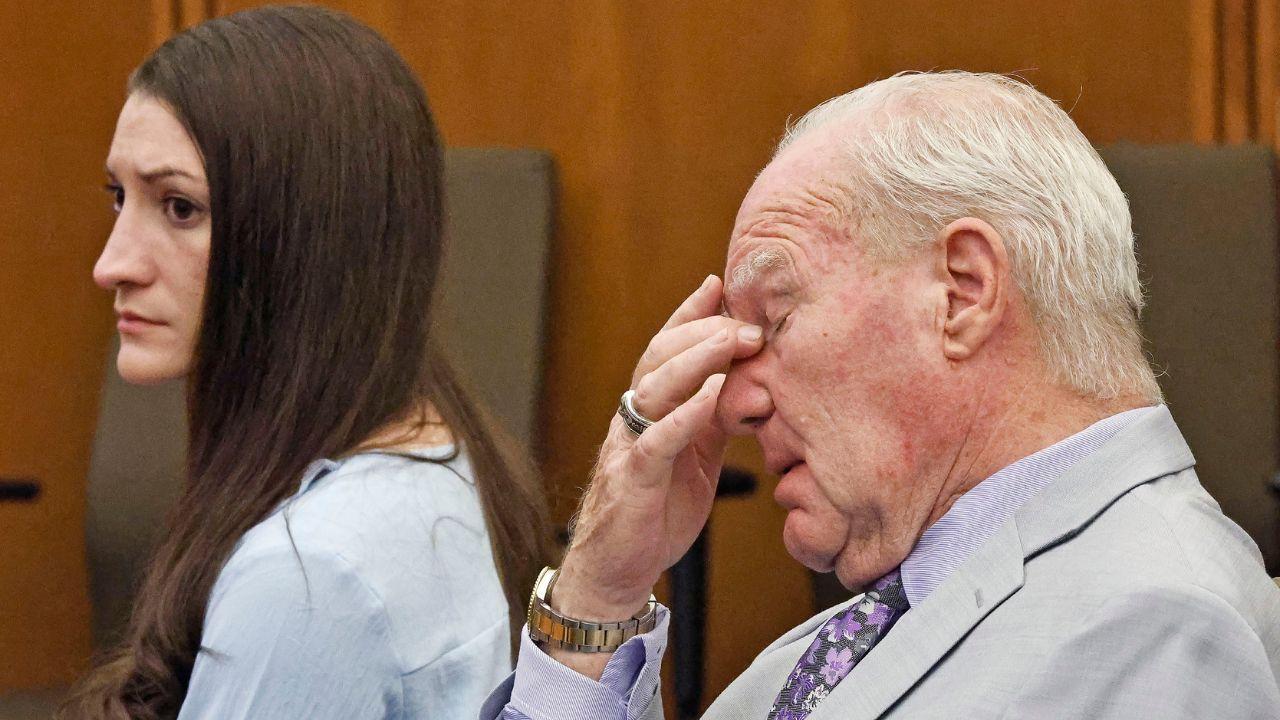
A mistrial signifies that the legal proceedings have been terminated without a conclusive verdict. It does not mean an acquittal or a conviction, but rather that the jury was "hung" – unable to agree. For the Clancy family, particularly the surviving husband, Patrick Clancy, the mistrial meant a continuation of uncertainty and the prolonged agony of seeking justice for their lost children. For Lindsay Clancy, it meant a postponement of any definitive legal outcome.
Judge Judy’s Warning: A "Real Danger"
Judge Judy Sheindlin’s comments about the "real danger" of not retrying the case extend beyond the immediate legal implications. Her concern likely stems from several factors:
- Public Trust in the Justice System: A high-profile case ending in a mistrial, particularly one involving such heinous acts, can erode public confidence if a definitive resolution is not pursued. Sheindlin, known for her direct approach to justice, may view a lack of retrial as an abdication of responsibility.
- Precedent and Future Cases: Allowing a case of this magnitude to remain unresolved could set an unsettling precedent, potentially influencing how similar cases involving mental health defenses are approached in the future.
- Justice for the Victims: From a traditional legal perspective, a mistrial leaves the victims without a clear finding of guilt or innocence, potentially denying their memory the closure that a definitive verdict might bring.
- Societal Understanding of Accountability: Sheindlin’s emphasis on whether there’s an "excuse" for Clancy’s actions highlights the tension between mental illness as an explanation for behavior and the imperative for accountability in criminal law.
Her statement serves as a powerful call for a renewed pursuit of justice, urging authorities to consider the broader implications of allowing such a pivotal case to remain in limbo.
Lindsay Clancy’s Current State and Future Steps
In the wake of the mistrial, Lindsay Clancy’s attorney, Kevin Reddington, provided an update on her condition, describing her as "not very good" and still "suicidal." He emphasized that she remains under 24/7, one-on-one suicide watch, highlighting the ongoing severity of her mental health struggles. Reddington noted her "incredible family support" but expressed daily concern for her well-being, underscoring the deep personal tragedy that continues irrespective of the legal proceedings.
The prosecution now faces a critical decision: whether to retry Lindsay Clancy. This choice involves weighing the likelihood of securing a unanimous conviction in a subsequent trial against the considerable resources, emotional toll on all parties, and the unique challenges presented by the mental health defense and the Massachusetts burden of proof standard. A retrial would mean another lengthy and emotionally taxing process, potentially with a similar outcome. Alternatively, the prosecution could offer a plea bargain, or, in rare circumstances, decide to drop the charges, though the latter seems unlikely given the gravity of the case.
The Lindsay Clancy murder case continues to be a poignant and complex narrative, intertwining profound personal tragedy with challenging legal and ethical questions. Judge Judy Sheindlin’s pointed remarks serve as a stark reminder of the enduring public interest and the critical importance of achieving a resolution that upholds the principles of justice while navigating the intricacies of mental health in the legal system. The path forward remains uncertain, but the call for a definitive outcome rings clear.