
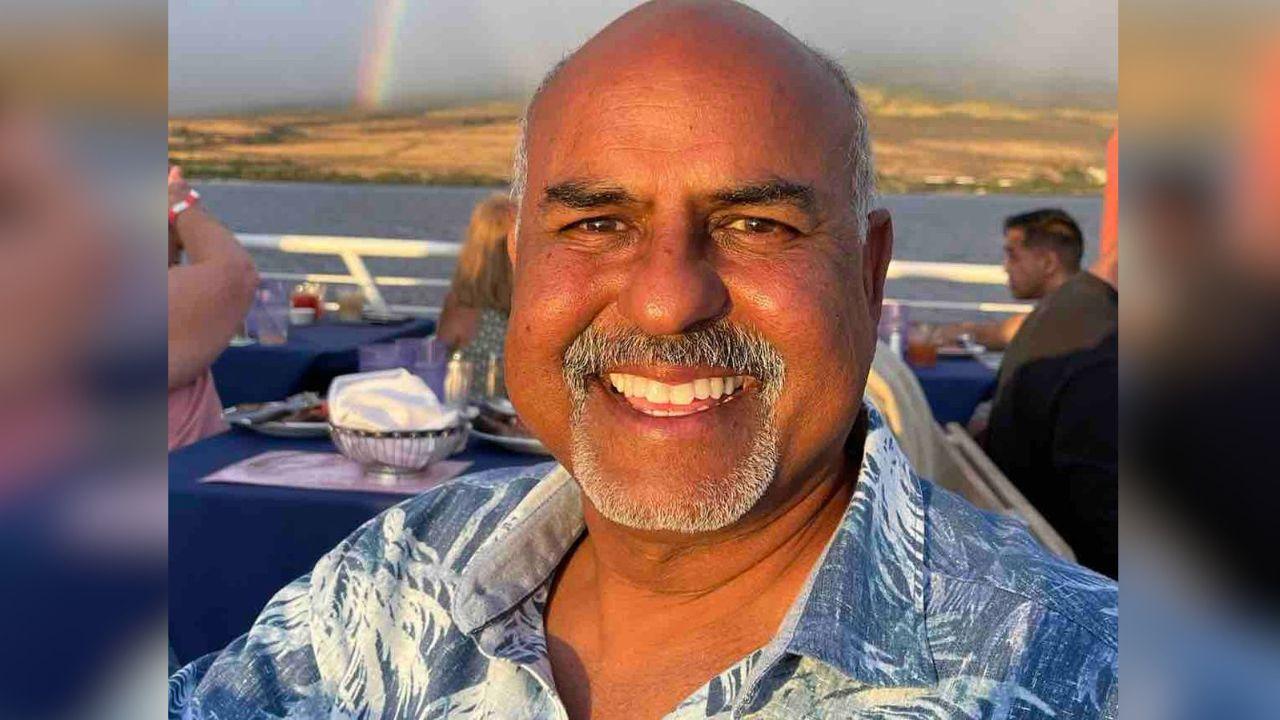
A 22-year-old woman has been convicted of gross vehicular manslaughter and hit-and-run charges following a devastating street collision in August 2022 that resulted in the death of 60-year-old Stanley Isaacs and severe injuries to his wife, Catherina. The tragic incident occurred in Laguna Beach as the couple celebrated their anniversary, transforming a joyful evening into an unthinkable catastrophe. Sysillia Kianna Morrison Montes De Oca, who was 18 at the time of the crash, now faces significant prison time for her actions.
The fatal crash unfolded on an evening in August 2022. Stanley and Catherina Isaacs had just concluded their anniversary dinner at a local Laguna Beach restaurant and were crossing the street shortly after 9:30 p.m. It was during this moment that Montes De Oca, driving a 2009 Volkswagen Jetta with three other passengers, struck the couple. The force of the impact was catastrophic, sending Stanley Isaacs airborne and inflicting injuries so severe they proved immediately fatal.

A Celebration Turned to Tragedy: The Horrific Impact
The aftermath of the collision revealed the brutal extent of the injuries sustained by Stanley Isaacs. Medical reports indicated he suffered an "internal decapitation," a skull fracture, a snapped spine, and multiple smashed ribs. Internal decapitation refers to the complete separation of the skull from the spinal column, a rare but almost universally fatal injury. He was pronounced dead at the scene, his life tragically cut short on a day meant for celebration. Catherina Isaacs, his wife, also sustained severe injuries, though the specific details of her physical trauma have not been publicly disclosed. Her ordeal extended beyond physical pain, encompassing the profound emotional devastation of losing her husband in such a horrific manner.
Details Emerge: Impaired Driving and Reckless Conduct
Throughout the investigation and subsequent trial, disturbing details regarding Montes De Oca’s conduct emerged. Prosecutors presented evidence that she had smoked marijuana earlier that evening, though the exact timeframe between her drug use and the collision remains a point of contention. More critically, witnesses in her vehicle testified that Montes De Oca explicitly stated her intention to speed up just moments before she collided with the unsuspecting couple. This testimony underscored a deliberate act of recklessness, contributing significantly to the gross vehicular manslaughter conviction.
The incident highlights growing concerns over impaired driving, particularly with the increasing prevalence of cannabis use. The ability of drivers to accurately assess their impairment after consuming marijuana often leads to dangerous decisions behind the wheel, endangering not only themselves but also innocent pedestrians and other motorists. This case serves as a stark reminder of the deadly consequences when judgment is compromised by substances.
The Despicable Act of Fleeing the Scene

Perhaps one of the most damning aspects of the case was Montes De Oca’s immediate reaction to the collision. Instead of stopping to render aid or call for emergency services, she reportedly fled the scene in her damaged vehicle. This decision to abandon the critically injured couple ignited outrage and became a central focus of the prosecution. Hit-and-run incidents are considered particularly egregious offenses, demonstrating a callous disregard for human life and the legal obligation of drivers to remain at the scene of an accident.
Her evasion was not a solitary act. Prosecutors revealed that Montes De Oca sought assistance from a friend, Jack Francis Bannigan, to hide the Volkswagen Jetta, attempting to conceal evidence of her involvement. Bannigan later pleaded guilty to being an accessory after the accident, acknowledging his role in obstructing justice. Montes De Oca also reportedly returned to the crash site later, but without identifying herself as the driver involved, further illustrating her attempts to avoid accountability.
The Pursuit of Justice: Investigation and Conviction

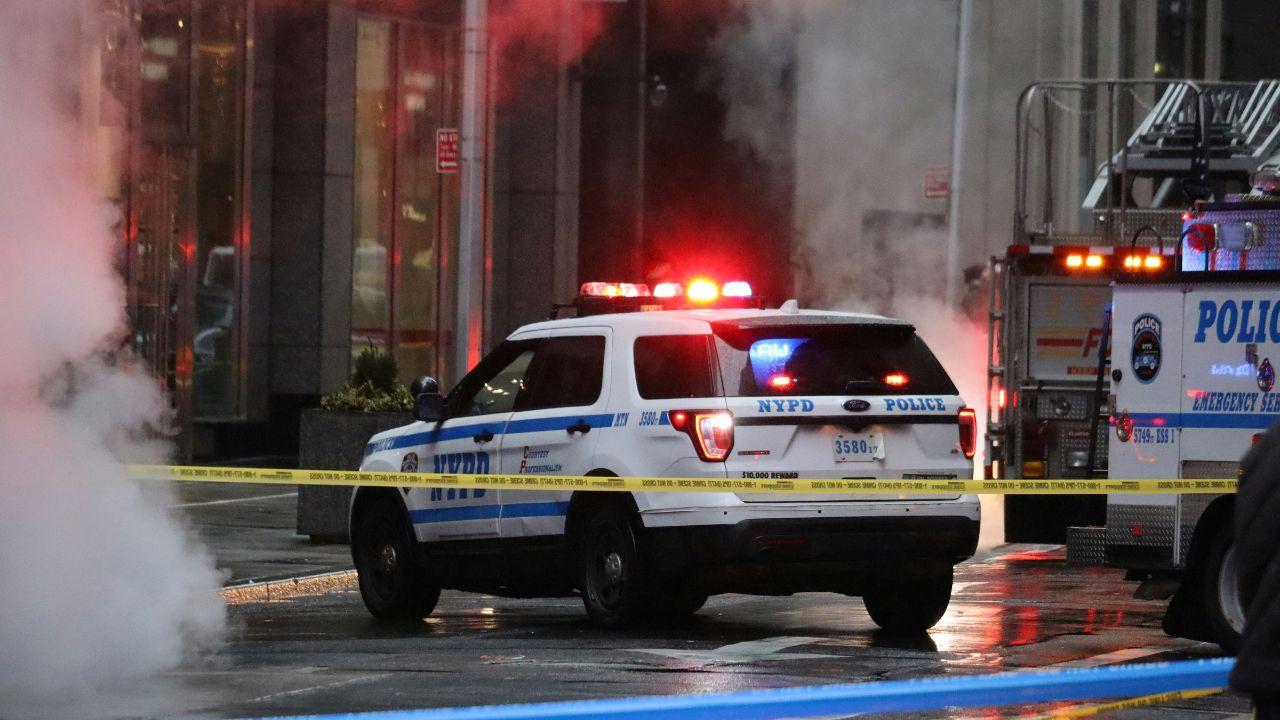
Despite her efforts to escape detection, law enforcement authorities relentlessly pursued leads in the Laguna Beach hit-and-run. Montes De Oca ultimately turned herself in approximately two weeks after the fatal collision, facing the consequences of her actions. The intervening period saw extensive police work, gathering witness statements, forensic evidence, and tracking the movements of the vehicle involved.
The trial culminated on Thursday, September 10, when Montes De Oca was found guilty on multiple felony counts in a California court. The charges included gross vehicular manslaughter, hit-and-run with permanent and serious injury, and failing to stop at a hit-and-run with injury or death. The jury’s verdict delivered a measure of justice for Stanley Isaacs and his grieving family, reinforcing the principle that such reckless and irresponsible behavior will not go unpunished.
Legal Arguments and Public Scrutiny
During the trial, Deputy District Attorney Justin Kim emphasized the deliberate nature of Montes De Oca’s actions. "It was not an ordinary mistake," Kim asserted, directly challenging any notion of an accidental oversight. He further highlighted, "We all know she fled the scene," underscoring the egregious nature of her hit-and-run. The prosecution painted a picture of a driver who not only made dangerous choices but also actively sought to evade responsibility afterward.
The defense, led by attorney Mike Molfetta, presented a different narrative, arguing that Montes De Oca was "catatonic" after the accident and only left the scene due to the urging of her friends. Molfetta contended that the prosecution was attempting to incite animosity towards his client to secure a conviction. "They need you to hate her to get a conviction," he alleged, suggesting that emotional appeals were overshadowing the facts of the case. However, the jury ultimately sided with the prosecution, indicating they found the evidence of reckless driving, impaired judgment, and subsequent evasion compelling.
Adding another layer to her post-crash actions, evidence presented showed Montes De Oca reportedly conducted online searches for information about the fatal accident she had caused. This detail suggested a level of awareness and perhaps guilt, contradicting the defense’s portrayal of her being entirely incapacitated by shock.

Broader Implications: Pedestrian Safety and Accountability
This case resonates deeply within communities, particularly in popular pedestrian areas like Laguna Beach. It reignites conversations about pedestrian safety, driver responsibility, and the escalating dangers posed by impaired and distracted driving. The tragic loss of Stanley Isaacs serves as a poignant reminder of the vulnerability of pedestrians and the severe consequences when drivers fail to operate their vehicles safely and legally.
The conviction of Sysillia Kianna Morrison Montes De Oca sends a clear message about accountability. It underscores that fleeing the scene of a serious accident, especially one involving a fatality, will be met with severe legal repercussions. The judicial system aims to deter such actions and provide a sense of justice for victims and their families, reinforcing societal expectations for responsible conduct on public roadways.
The Road Ahead: Sentencing and Lasting Impact
With the conviction secured, the focus now shifts to the sentencing phase. Sysillia Kianna Morrison Montes De Oca’s sentencing is scheduled for November 13. The specific penalties she will face for gross vehicular manslaughter and multiple hit-and-run felonies could range from several years to more than a decade in state prison, depending on the judge’s discretion and the specific sentencing guidelines in California. This outcome will mark a significant turning point in her life, profoundly altering her future.
For Catherina Isaacs and the family of Stanley Isaacs, no legal outcome can truly alleviate the pain of their loss or fully heal the wounds inflicted on their anniversary. However, the conviction may offer a degree of closure and affirmation that justice has been served. The memory of Stanley Isaacs and the circumstances of his tragic death will undoubtedly continue to fuel discussions around road safety, the perils of impaired driving, and the critical importance of responsibility behind the wheel.