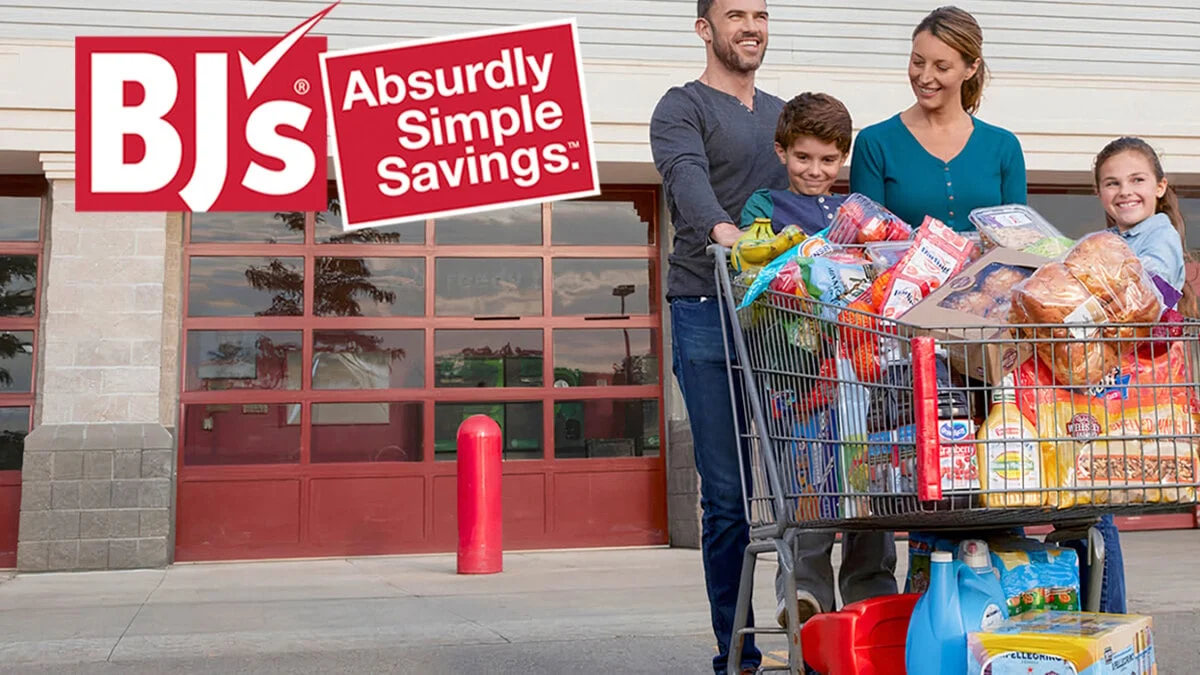
BJ’s Wholesale Club has officially reduced the price of its standard annual membership to $15, a move that represents a 75% discount from the regular $60 rate as the retail sector prepares for the high-volume holiday shopping season. The promotional offer, which became effective in early September, aims to attract budget-conscious households facing persistent inflationary pressures and rising grocery costs. By lowering the barrier to entry, the Massachusetts-based warehouse giant is positioning itself as a primary destination for consumers looking to mitigate the anticipated price hikes associated with the fourth-quarter retail surge.
The timing of this membership drive is strategically aligned with the period when American households typically begin planning for large-scale grocery purchases and holiday gift acquisitions. Market analysts suggest that the $45 discount serves as a loss leader intended to lock in long-term loyalty through the company’s "Easy Renewal" program. For the consumer, the immediate value proposition is centered on the ability to access warehouse-level pricing, specialized fuel discounts, and a unique coupon-stacking policy that distinguishes BJ’s from its primary competitors, Costco and Sam’s Club.
Understanding the Economic Value of the $15 Membership Offer
The decision to offer a 1-year BJ’s membership for $15 comes at a critical juncture for the American consumer. According to recent data from the Bureau of Labor Statistics, while the overall rate of inflation has shown signs of cooling, the cumulative effect of price increases over the last three years remains a significant burden on middle-class budgets. Warehouse clubs have traditionally served as a hedge against inflation, allowing members to lower their unit costs by purchasing in bulk.
The BJ’s Club Card Membership provides access to a wide array of categories beyond traditional groceries, including electronics, apparel, seasonal decor, and household essentials. The $15 entry point effectively removes the "break-even" anxiety often associated with wholesale clubs, where shoppers must calculate if their annual savings will exceed the cost of the membership fee. At this reduced rate, a single high-volume shopping trip or a few fill-ups at a BJ’s gas station can theoretically offset the initial investment.
Furthermore, the membership includes access to BJ’s Gas, a critical component of the company’s value ecosystem. With national average gas prices remaining volatile, the ability to save several cents per gallon provides a tangible, recurring benefit that extends beyond the warehouse floor. For many families, the fuel savings alone justify the membership, particularly for those living in the Eastern United States where BJ’s maintains its strongest geographic footprint.
The Competitive Landscape of Wholesale Retail in 2024
The wholesale retail sector has become increasingly competitive as players like Costco and Sam’s Club expand their digital footprints and physical locations. BJ’s Wholesale Club currently operates 244 clubs and 175 gas stations across 20 states, primarily concentrated along the East Coast. With over 7 million members, the company has carved out a specific niche by offering a more traditional supermarket-style experience within a warehouse setting, including a full-service deli and a wider variety of pack sizes than its competitors.
One of the most significant advantages highlighted in the current $15 membership offer is the company’s policy on manufacturer coupons. Unlike many warehouse clubs that only accept their own internal store coupons, BJ’s allows members to "stack" manufacturer coupons on top of BJ’s in-house discounts. This policy can lead to substantial savings on name-brand products, a factor that is particularly appealing to "extreme couponers" and shoppers who are diligent about tracking manufacturer promotions.
Industry experts note that this pricing strategy is likely a response to the aggressive expansion of Sam’s Club, which has also utilized deep-discount membership promotions to drive growth. By lowering the entry fee to $15, BJ’s is not only defending its existing territory but also attempting to capture new demographics, including younger shoppers and smaller households who might have previously viewed a $60 membership as an unnecessary expense.
Strategic Timing Ahead of the Fourth Quarter
The retail industry refers to the period between October and December as the "Golden Quarter," where a significant portion of annual revenue is generated. By launching a membership drive in September, BJ’s is ensuring that new members are onboarded and integrated into their ecosystem before the peak shopping days of Black Friday and Cyber Monday. The goal is to establish BJ’s as the "first stop" for holiday entertaining needs and gift-giving.
The $15 membership also grants access to BJ’s technological suite, including the BJ’s app and ExpressPay. ExpressPay allows shoppers to scan items as they place them in their cart and pay via their mobile device, bypassing traditional checkout lines. This feature is expected to be a major draw during the holiday rush when long queues can deter shoppers from visiting physical stores. By streamlining the checkout process, BJ’s is leveraging convenience as a secondary value proposition to price.
Retail analysts point out that the "Easy Renewal" clause attached to the $15 offer is a key component of the company’s long-term strategy. While the first year is heavily discounted, the membership is set to renew automatically at the standard rate the following year. This model relies on the "stickiness" of the warehouse club experience; once a consumer has integrated bulk shopping and BJ’s gas into their routine, they are statistically more likely to renew their membership even at the higher price point.
Addressing Inflation Through Bulk Purchasing and Coupon Stacking
The psychological impact of "holiday markups" is a recurring concern for U.S. consumers. As demand spikes for specific food items—such as turkeys, hams, and baking supplies—prices often rise accordingly. A 1-year BJ’s membership for $15 provides a mechanism for households to "pre-buy" non-perishable goods at stable warehouse prices before the seasonal volatility begins.
The ability to stack coupons is more than just a marketing gimmick; it represents a fundamental shift in the math of warehouse shopping. In a standard grocery store, a consumer might use a $1.00 manufacturer coupon on a single box of cereal. At BJ’s, that same coupon can often be applied to a multi-pack that is already priced lower per ounce than the grocery store equivalent. When combined with BJ’s own digital coupons, the price per unit can drop significantly below that of discount supermarkets or online retailers.
This focus on value is also reflected in BJ’s private-label brands, Wellsley Farms and Berkley Jensen. These brands cover everything from organic produce to high-end electronics and furniture. During periods of economic uncertainty, consumers often migrate toward private-label goods to maintain their quality of life while reducing expenditures. The $15 membership provides an entry point into these brands, which BJ’s claims offer quality comparable to national brands at a fraction of the cost.
Operational Expansion and the Future of BJ’s Wholesale Club
BJ’s has been on a steady path of expansion, moving further into the Midwest and Southeast. The capital generated from its 7 million members allows the company to invest in new locations and supply chain efficiencies. The current membership promotion is part of a broader effort to increase "member density" around newly opened locations.
The impact of this membership drive extends to the broader retail industry. When a major player like BJ’s slashes its entry fee, it often forces competitors to respond with their own promotions, creating a "race to the bottom" for membership costs that ultimately benefits the consumer. However, the challenge for BJ’s remains maintaining high service levels and product availability as the member base grows.
The company has also invested heavily in its omnichannel capabilities, including curbside pickup and same-day delivery. For members who do not wish to navigate the warehouse in person, these digital services provide a way to utilize the membership benefits from home. The $15 fee includes full access to these digital tools, making it a viable option for urban dwellers who may not have easy access to a vehicle but want to take advantage of bulk pricing on household staples.
Impact on Household Budgets and Consumer Behavior
As the holiday season approaches, the average American household is expected to spend upwards of $1,000 on gifts, food, and decorations. A membership that pays for itself through a single large purchase can be a vital tool in managing this expenditure. For families with multiple children, the savings on dairy, meat, and paper products alone can total hundreds of dollars over the course of a year.
The social aspect of warehouse shopping also remains a factor. The "treasure hunt" atmosphere—where limited-time products and high-end items are sold at a discount—encourages frequent visits. By bringing in a wave of new members at the $15 price point, BJ’s is betting that the variety and quality of its inventory will turn one-time deal seekers into habitual shoppers.
In conclusion, the reduction of the 1-year BJ’s membership to $15 is a calculated move to capture a larger share of the American household budget during a period of economic transition. By focusing on the "pain points" of holiday shopping—high prices, long lines, and fuel costs—BJ’s is positioning its membership as an essential utility rather than a luxury. As the promotional window continues, the retail industry will be watching closely to see how this influx of new members affects BJ’s market position heading into the new year. For now, the offer stands as one of the most aggressive price points in the wholesale club sector, providing a clear path for consumers to "beat the markups" and navigate the upcoming holiday season with greater financial flexibility.