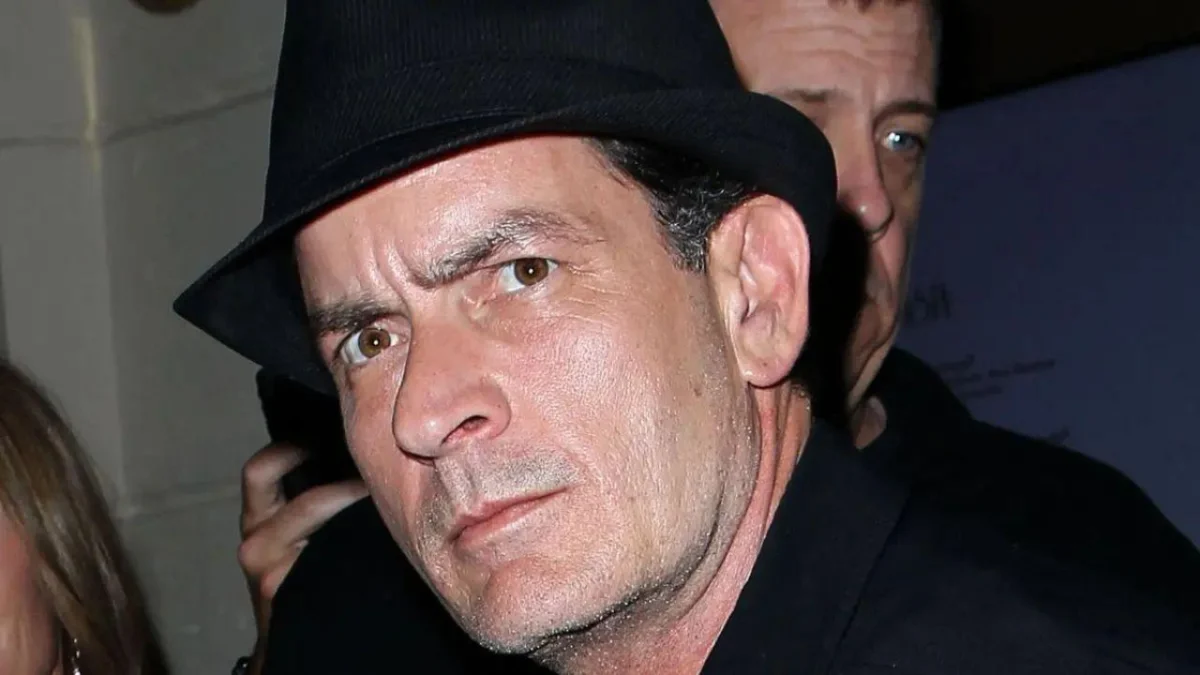
Chuck Lorre, the co-creator of the hit CBS sitcom Two and a Half Men, recently reflected on the tumultuous period surrounding Charlie Sheen’s highly publicized 2011 ‘Vodka Meltdown,’ asserting that the dramatic events ultimately translated into significant viewership gains for the series. Despite a contentious public falling-out that led to Sheen’s dismissal from the show, Lorre acknowledged the unexpected commercial benefit of the intense media scrutiny. His remarks, made in a recent interview with Playboy, shed new light on the behind-the-scenes perspective of one of Hollywood’s most infamous celebrity implosions, even as he and Sheen have since reconciled.
The Peak of "Two and a Half Men" and Sheen’s Stardom
Before the dramatic events of 2011, Two and a Half Men stood as one of television’s most successful comedies, captivating millions of viewers with its blend of adult humor and family dynamics. Premiering in 2003, the show centered on Charlie Harper, a hedonistic jingle writer played by Charlie Sheen, whose carefree bachelor lifestyle is disrupted when his uptight chiropractor brother, Alan (Jon Cryer), and Alan’s young son, Jake (Angus T. Jones), move into his Malibu beach house. Sheen’s portrayal of Harper, a character that often mirrored his own public "bad boy" image, was a cornerstone of the show’s appeal, earning him widespread acclaim and making him, for a period, the highest-paid actor on television, reportedly earning $1.8 million per episode.
The series consistently delivered strong ratings for CBS, becoming a flagship program for the network and a significant financial asset for its producers, Warner Bros. Television, and creator Chuck Lorre. Sheen’s undeniable charisma and comedic timing were crucial to the show’s success, cementing his status as a sitcom superstar. However, beneath the veneer of on-screen success, reports of personal struggles and erratic behavior began to surface, hinting at the instability that would eventually erupt into a full-blown public spectacle.
The Precursors to Charlie Sheen’s 2011 Meltdown
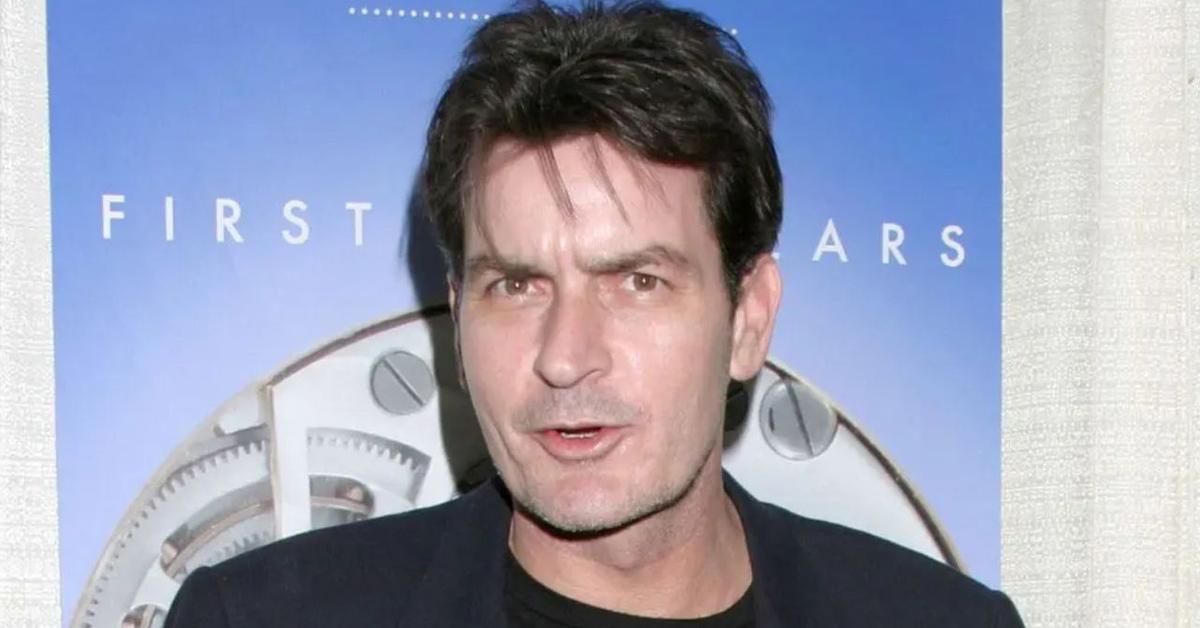
The seeds of Charlie Sheen’s public unraveling were sown in the years leading up to 2011, marked by escalating personal issues and increasingly disruptive behavior. Sheen’s long-standing struggles with substance abuse were well-documented, with multiple stints in rehabilitation facilities. By late 2010 and early 2011, these issues began to overtly impact the production of Two and a Half Men. Reports from the set detailed instances of the actor being unable to work, leading to production delays and concerns among cast, crew, and network executives.
His private life also became increasingly chaotic and public, contributing to a sense of instability. The tension between Sheen and the show’s production team, particularly Chuck Lorre, simmered for months. This period saw Sheen engaging in a pattern of behavior that was not only detrimental to his personal well-being but also posed a significant threat to the continued success of the highly profitable sitcom. The stage was set for a confrontation that would captivate the media and redefine the boundaries of celebrity scandal.
The Infamous 2011 ‘Vodka Meltdown’: A Public Spectacle Unfolds
The year 2011 witnessed Charlie Sheen’s life descend into a very public and chaotic ‘Vodka Meltdown,’ a spectacle that gripped the nation and fundamentally altered his career trajectory. Following a period of escalating personal issues and disruptive behavior, Sheen launched a series of bizarre and often vitriolic public interviews. These media appearances, initially intended to address his professional situation, quickly devolved into rambling, nonsensical diatribes that became instantly viral.
During these interviews, Sheen coined phrases like "tiger blood," claimed to have "Adonis DNA," and declared himself "winning" in his personal battles, despite clear evidence to the contrary. He frequently and aggressively attacked Chuck Lorre, labeling him a "clown," a "troll," and other derogatory terms, accusing him of creative incompetence and personal malice. This barrage of insults, amplified by social media and round-the-clock news coverage, turned Sheen into a cultural phenomenon, albeit one born from apparent instability. The public was transfixed by the raw, unfiltered glimpse into the life of a major Hollywood star in crisis, making his every pronouncement ratings gold for news outlets and an unexpected boon for the very show he was denouncing.
Consequences: Sheen’s Firing and the Show’s Future
The fallout from Charlie Sheen’s 2011 ‘Vodka Meltdown’ was swift and severe, irrevocably changing the landscape of Two and a Half Men and Sheen’s career. In February 2011, CBS and Warner Bros. Television announced an immediate halt to production, citing Sheen’s health and erratic behavior as the cause. This suspension quickly escalated into an outright termination in March 2011, when Warner Bros. officially fired Sheen, citing his public disparagement of Lorre and the studio as a breach of contract and a violation of moral clauses.
Sheen responded by filing a $100 million lawsuit against Lorre and Warner Bros., alleging wrongful termination and claiming he was owed back pay and other damages. This legal battle added another layer to the public drama, with both sides trading accusations through the media. The decision to fire Sheen, while unprecedented for a star of his caliber on such a successful show, signaled the studio’s and network’s unwillingness to tolerate his behavior any longer. The move sent shockwaves through Hollywood, demonstrating that even the highest-paid actors were not immune to the consequences of their actions, especially when they jeopardized a multi-million dollar franchise.
"Two and a Half Men" Continues: The Ashton Kutcher Era
The firing of Charlie Sheen left Two and a Half Men in an unprecedented predicament: how to continue one of television’s most popular sitcoms without its central star. Warner Bros. Television and Chuck Lorre faced the daunting challenge of reimagining the series. Their solution came in the form of Ashton Kutcher, who was cast as Walden Schmidt, a billionaire internet entrepreneur who buys Charlie Harper’s beach house after the character’s off-screen death.
Kutcher joined the cast for the ninth season, which premiered in September 2011. His introduction was met with immense curiosity, drawing a massive audience for the premiere episode, which saw a significant spike in ratings compared to the previous season’s finale. While the show’s overall viewership eventually stabilized at a lower level than its peak with Sheen, it remained a successful program for CBS, running for another four seasons before concluding in 2015. Kutcher’s presence helped the series navigate the tumultuous transition, proving that the franchise could survive even a dramatic cast change, albeit with a different comedic dynamic.

Charlie Sheen’s Post-Meltdown Career and Path to Sobriety
Following his dramatic exit from Two and a Half Men, Charlie Sheen’s career entered a challenging phase. While he quickly secured a new sitcom, Anger Management, which premiered in 2012 and ran for 100 episodes, it never achieved the critical or commercial success of his previous endeavor. The public perception of Sheen remained heavily influenced by his 2011 ‘Vodka Meltdown,’ making it difficult for him to fully shed the persona that had emerged during that period.
His personal life continued to be under scrutiny, though with less of the flamboyant public displays. Crucially, Sheen embarked on a serious journey toward sobriety, a path he has publicly stated began in late 2017. He has since spoken openly about his past struggles and his commitment to maintaining a sober lifestyle, reflecting a significant personal transformation away from the chaos that once defined his public image. This commitment to recovery laid the groundwork for future professional and personal reconciliations, including with former colleagues.
The Path to Reconciliation: A New Project Ignites Forgiveness
Years after their acrimonious public split, an unexpected opportunity for reconciliation arose between Chuck Lorre and Charlie Sheen. The catalyst was Lorre’s new HBO show, How to Be a Bookie, which premiered in 2023. While developing a character for the series – described as a "real-life Hollywood star" with a penchant for sports betting – Lorre found himself thinking of only one actor.
"It should be Charlie," Lorre reportedly told Variety, recalling Sheen’s past engagement with sports betting and the stories he used to share during their Two and a Half Men days. This realization prompted Lorre to reach out to Sheen, marking the first direct communication between the two in over a decade. The decision to approach Sheen for a new project, particularly one involving Lorre, signaled a profound shift, suggesting a willingness from both sides to move past the deeply entrenched animosity that had defined their relationship for so long.
A Healing Reunion: Mending Fences and Forging Ahead
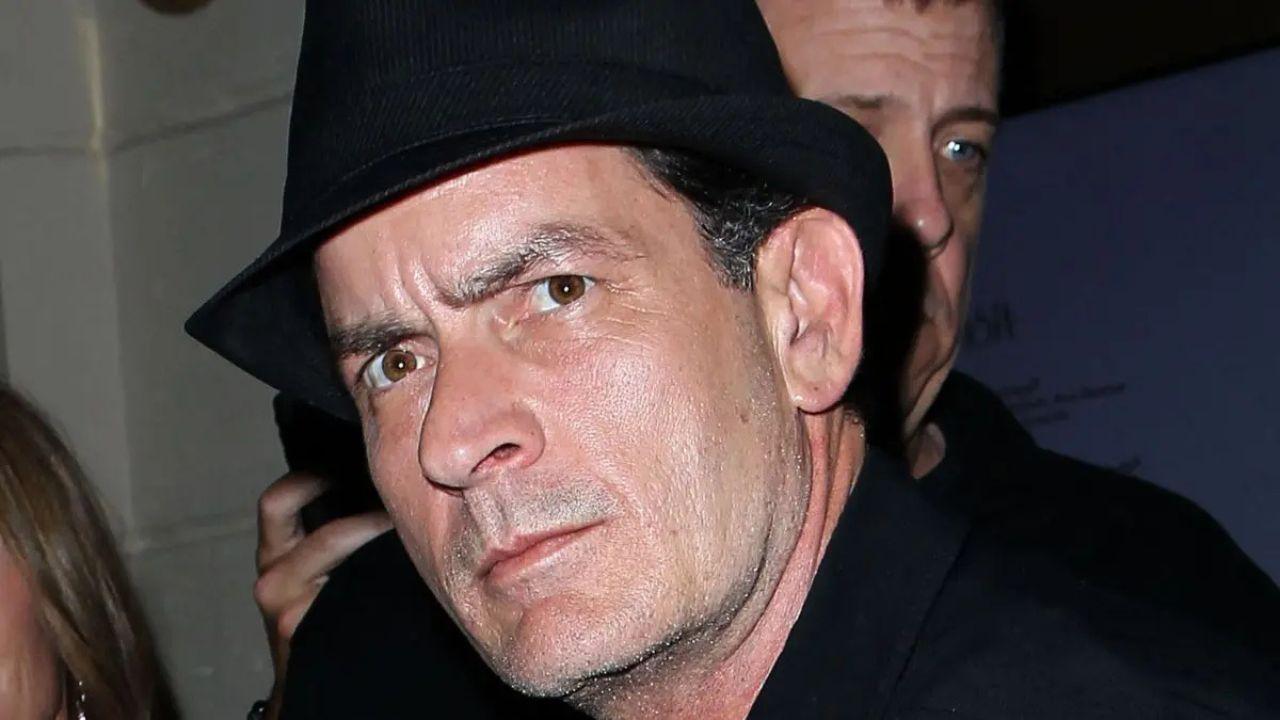
The reunion between Chuck Lorre and Charlie Sheen for How to Be a Bookie proved to be more than just a professional collaboration; it was a deeply personal and "healing" experience for both men. Lorre admitted to being "nervous" about their initial meeting, given the intensity of their past feud. However, almost immediately upon reconnecting, the animosity dissipated, and a long-dormant friendship resurfaced.
"Almost as soon as we started talking, I remembered, we were friends once," Lorre shared with Variety, emphasizing that "that friendship just suddenly seemed to be there again." The two embraced at the table read for the episode, a moment Lorre described as "just great." Beyond the personal aspect, Lorre highlighted Sheen’s willingness to engage with his own past, noting that the actor was "totally game to make fun of himself" in the context of the new role. This willingness to self-deprecate and confront his history publicly underscored Sheen’s personal growth and facilitated a genuine mending of fences, allowing both to move forward from a painful chapter.
Charlie Sheen’s Reflections and Ownership of Past Actions
Charlie Sheen has, in recent years, offered candid reflections on his tumultuous 2011 ‘Vodka Meltdown’ and the subsequent fallout with Chuck Lorre, taking significant ownership of his past actions. Having maintained sobriety since late 2017, Sheen has consistently expressed regret for the manner in which he handled the situation, particularly his public attacks on Lorre and Warner Bros. He has described his behavior during that period as "desperately juvenile," acknowledging the profound impact it had on his career and relationships.
In a 2021 interview with Yahoo! Entertainment, Sheen articulated his remorse, stating, "There was 55 different ways for me to handle that situation, and I chose number 56." He emphasized the importance of accountability in his journey of personal growth: "I think the growth for me post-meltdown or melt forward or melt somewhere — however you want to label it — it has to start with absolute ownership of my role in all of it." This introspective stance, coupled with his commitment to sobriety, has been pivotal in rebuilding trust and fostering reconciliation with former colleagues, culminating in his recent collaboration with Lorre.
Broader Implications and Industry Takeaways
The saga of Charlie Sheen’s 2011 ‘Vodka Meltdown’ and his subsequent reconciliation with Chuck Lorre offers profound insights into the complex dynamics of the entertainment industry. Lorre’s recent admission that the crisis was "ratings gold" highlights the uncomfortable truth about how public spectacle, even one born of personal struggle, can be commercially exploited. This incident underscored the immense power wielded by network executives and show creators in managing celebrity talent, particularly when individual behavior threatens massive financial investments.
The eventual mending of their relationship, years after a bitter public feud, also speaks to the industry’s capacity for forgiveness and second chances, especially when individuals demonstrate genuine remorse and personal growth, as Sheen has with his sobriety. It reignited conversations about mental health and addiction within Hollywood, prompting a closer examination of how studios and colleagues support, or fail to support, their stars. Ultimately, this narrative serves as a potent case study on the volatile intersection of celebrity, commerce, and personal crisis, demonstrating how even the most catastrophic public breakdowns can, over time, evolve into stories of redemption and professional rapprochement.