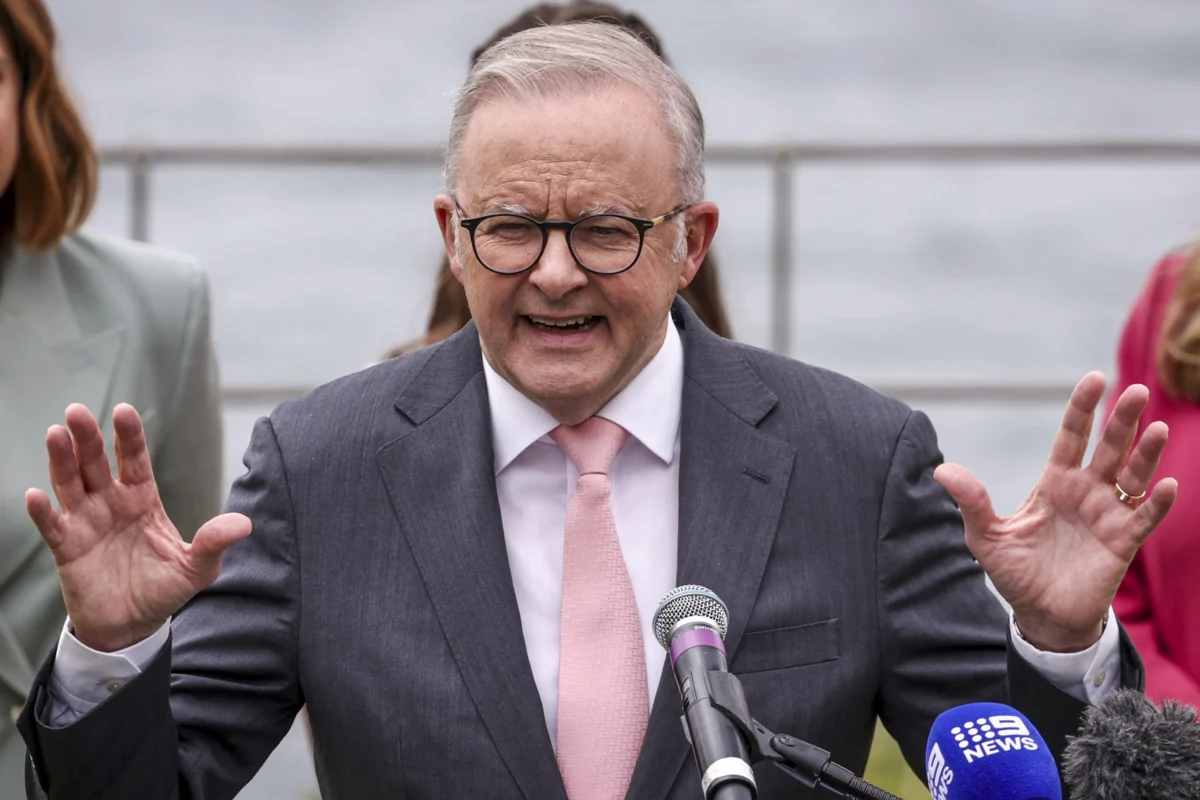
Australian Prime Minister Anthony Albanese has intensified his push for global technology giants to bolster support for the nation’s burgeoning online safety laws and upcoming artificial intelligence regulations, emphasizing a collaborative approach to safeguarding citizens in the digital realm. During a recent high-profile meeting with Apple CEO Tim Cook at the tech company’s headquarters in Cupertino, California, Albanese underscored that Australia cannot unilaterally address the complex challenges of protecting vulnerable populations, particularly children, from the pervasive risks inherent in the online environment. The Prime Minister’s appeal highlights a growing international consensus that effective digital governance requires a partnership between governments and the powerful technology firms that shape online experiences.
The discussions between Albanese and Cook, which took place on Saturday, centered on reinforcing measures to shield children from online harms and outlining the future trajectory of digital safety initiatives. Albanese articulated Australia’s commitment to implementing more robust rules designed to enhance online safety for all citizens, noting that major technology companies like Apple are now aligning with these objectives. This engagement signifies a critical moment in Australia’s efforts to leverage the influence and resources of the world’s leading tech companies to foster a safer digital ecosystem.
Albanese’s outreach extends beyond specific company engagements, as he leverages his presence in the United States, including his participation in the United Nations General Assembly, to advocate for enhanced AI regulation. This proactive stance is informed by increasingly urgent warnings from industry leaders and experts regarding the potential risks associated with rapidly advancing artificial intelligence technologies. Australia is poised to introduce new national standards for AI by the end of the current year, signaling a decisive move towards establishing a regulatory framework for this transformative technology.
In a video message shared on his X (formerly Twitter) account, Albanese emphasized his Labor government’s dedication to ensuring that technological advancements serve the interests of Australians, rather than dictating their digital experiences. This philosophy underpins the government’s broader strategy to harness technology for societal benefit while mitigating its potential downsides. The Prime Minister’s public statements aim to rally both domestic and international support for a forward-thinking approach to technology governance.
Apple CEO Tim Cook echoed the sentiment of shared responsibility in a post on X, confirming that he discussed new "strong and intuitive controls" with Albanese, specifically designed to improve online safety for children. This acknowledgment from a key player in the tech industry suggests a growing willingness among major platforms to integrate safety features and collaborate with governments on regulatory matters. Such partnerships are seen as essential for translating policy intentions into tangible improvements in online user experiences.
The Australian government has recently unveiled proposed legislation that aims to place a "duty of care" requirement on companies operating popular social media platforms, including giants like Facebook, TikTok, and Instagram. This groundbreaking legislation, if enacted, would mandate these platforms to take greater responsibility for the content and user experiences they facilitate. A significant component of the proposed laws would empower users with the ability to opt out of algorithmic content curation, giving them more control over the information they encounter online.
This proposed legislation is slated for introduction to the Australian Parliament later this year, following an extensive period of consultation. The government has engaged with a wide array of stakeholders, including social media companies, industry bodies, and civil society groups, to refine the draft laws. This inclusive approach is intended to ensure that the regulations are both effective and broadly supported, reflecting the diverse perspectives within the digital landscape.
However, the proposed legislation has encountered opposition from the Liberal-National Coalition, Australia’s primary opposition party. The coalition has stated its disapproval of the bill "in its current form," citing concerns about potential impacts on free speech and journalism. They have also expressed reservations regarding the extent of power vested in the Communications Minister, suggesting that the proposed safeguards are insufficient and that the bill could lead to an overreach of governmental authority. This political division highlights the complex balancing act involved in crafting digital regulations that address safety concerns without unduly restricting fundamental freedoms.
Australia has previously taken decisive action to protect its younger citizens online, implementing legislation last year that bars children under 16 from accessing social media platforms. This initiative was part of a global first attempt to shield minors from online bullying and the manipulative effects of "predatory algorithms." The aim was to create a safer digital environment for young people and to curb the negative psychological and social impacts often associated with early and extensive social media exposure.
Despite these stringent measures, recent data has indicated that a significant number of Australians under 16 continue to use social media applications like Instagram and TikTok, suggesting that the ban may not be fully effective in practice. This finding underscores the persistent challenges in enforcing online restrictions and the need for multifaceted strategies that go beyond outright prohibitions. The ongoing use of these platforms by minors despite the legal restrictions points to the need for continued evaluation and adaptation of existing policies.
Global Push for Tech Accountability and AI Governance
The Australian government’s proactive stance reflects a growing global movement urging technology companies to assume greater responsibility for the societal impacts of their platforms and products. Prime Minister Albanese’s engagement with tech leaders like Tim Cook signals a recognition that addressing issues such as online child safety and the ethical development of artificial intelligence requires a coordinated international effort. The complexities of the digital age necessitate a dialogue that transcends national borders and involves all key stakeholders.
Strengthening Online Safety Frameworks
Australia’s commitment to enhancing its online safety laws is a critical component of its broader digital strategy. The proposed "duty of care" legislation represents a significant evolution in how the country approaches platform accountability. By requiring tech firms to actively mitigate online harms, Australia aims to foster a more responsible digital ecosystem where the well-being of users is prioritized. This includes addressing issues ranging from cyberbullying and online harassment to the dissemination of harmful content.
Navigating the AI Revolution with Caution
The impending introduction of new AI standards by the end of the year underscores Australia’s intention to be at the forefront of responsible AI governance. As AI technologies become increasingly integrated into various aspects of society, establishing clear regulatory guidelines is paramount. These standards will likely address issues such as algorithmic bias, data privacy, transparency, and the ethical deployment of AI systems across different sectors, from healthcare and finance to transportation and national security. The global nature of AI development means that international cooperation will be vital in shaping its future trajectory.
The Evolving Role of Big Tech in Digital Governance
The increasing engagement between governments and major technology companies highlights a fundamental shift in the relationship between regulators and the private sector. As tech platforms become increasingly powerful and influential, the demand for greater accountability and transparency intensifies. Australia’s approach, seeking active support and collaboration, suggests a pragmatic strategy aimed at leveraging the resources and expertise of these companies to achieve shared objectives in online safety and AI regulation. This collaborative model, while promising, also presents challenges in balancing innovation with robust oversight.
Public Scrutiny and Political Debate
The proposed online safety legislation has ignited a robust debate within Australia’s political landscape. The opposition’s concerns about free speech and the concentration of power in the hands of a minister underscore the inherent tensions in crafting effective digital regulations. Striking the right balance between protecting citizens and preserving fundamental freedoms is a delicate and ongoing process. The public impact of these regulations will be far-reaching, affecting how individuals interact with online platforms and how technology is developed and deployed in the future. The effectiveness of any regulatory framework will ultimately be judged by its ability to foster a safer, more equitable, and more trustworthy digital environment for all Australians.