The United States-backed Board of Peace has put forth a $2.4 billion proposal aimed at initiating the reconstruction of the Gaza Strip, a plan unveiled concurrently with Israeli military actions that resulted in the deaths of seven Palestinians across the besieged territory. The announcement came as international leaders continued to urge Israel to adhere to a fragile ceasefire agreement.
The comprehensive blueprint, comprising 66 distinct projects, was presented on Wednesday during a Board of Peace meeting held on the sidelines of the United Nations General Assembly. This initiative seeks to address the catastrophic damage inflicted upon Gaza by prolonged Israeli military operations, the full scope of which is projected to require approximately $35 billion for medium-term recovery and an additional $71.4 billion over the next decade, according to the Board of Peace’s projections.
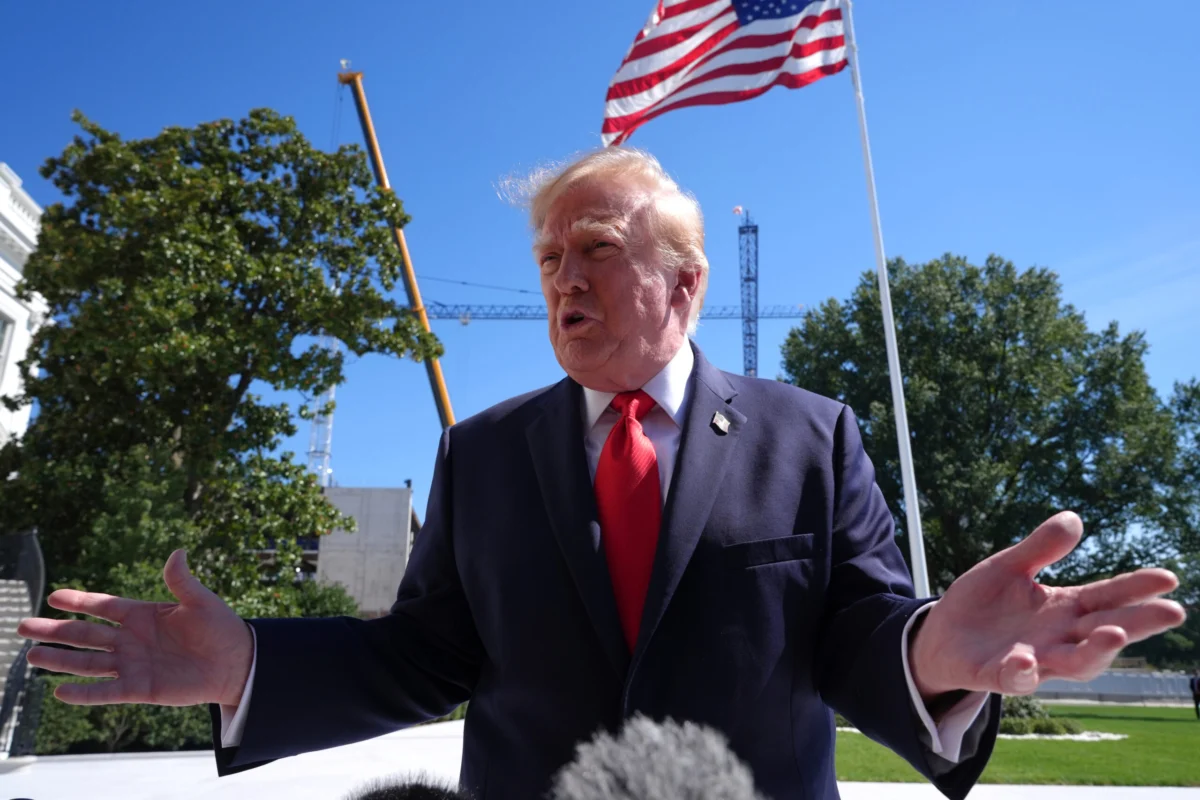
Nikolay Mladenov, the high representative for the Board of Peace, emphasized that the success of this ambitious reconstruction plan is contingent upon the disarmament of Hamas and other Palestinian factions. This condition echoes a commitment made by these groups in July to a disarmament framework, an agreement that United States President Donald Trump hailed as a "monumental step" towards achieving lasting peace and security in the region.
"I want to be very clear that we are not bound by a calendar," Mladenov stated, underscoring the organization’s commitment to ensuring the plan’s efficacy rather than adhering to a rigid timeline. The urgency for reconstruction in Gaza is palpable, with experts describing the task ahead as "daunting" and noting that "little progress has been made on the ground" since the ceasefire was brokered.
Despite international endorsement of efforts to alleviate the dire humanitarian conditions in Gaza during a July summit, Mladenov pointed out that "Israel has not lived up to its commitment to withdraw its troops on the ground, and so recovery really has yet to begin." This assertion highlights a significant gap between diplomatic agreements and on-the-ground realities, fueling ongoing tensions and humanitarian crises.
Escalating Israeli Attacks Undermine Reconstruction Efforts
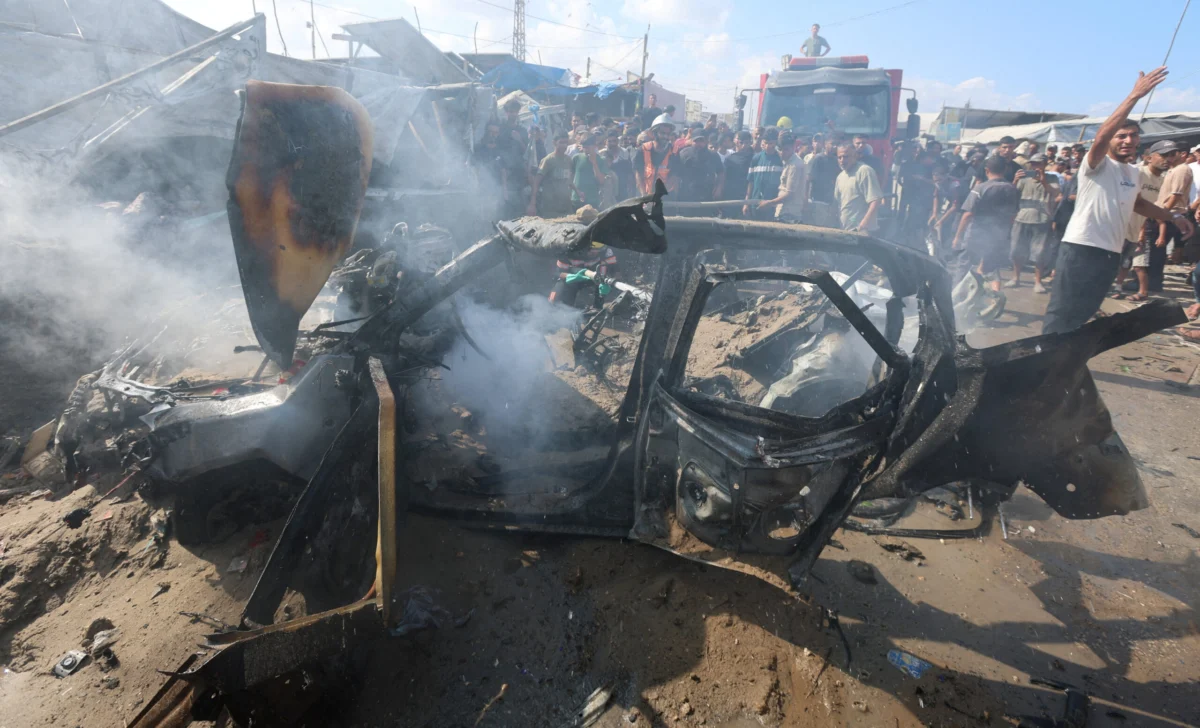
The proposed reconstruction plan faces immediate challenges as Israeli forces continue their operations, leading to further Palestinian casualties. On Wednesday, an Israeli drone strike targeted a vehicle in the al-Mawasi area, near Khan Younis in southern Gaza, claiming the lives of two individuals identified by medics as Osama Abu Khater and Mohammad Abu Elwan. Prime Minister Benjamin Netanyahu’s office later stated the attack had eliminated a senior Hamas finance official.
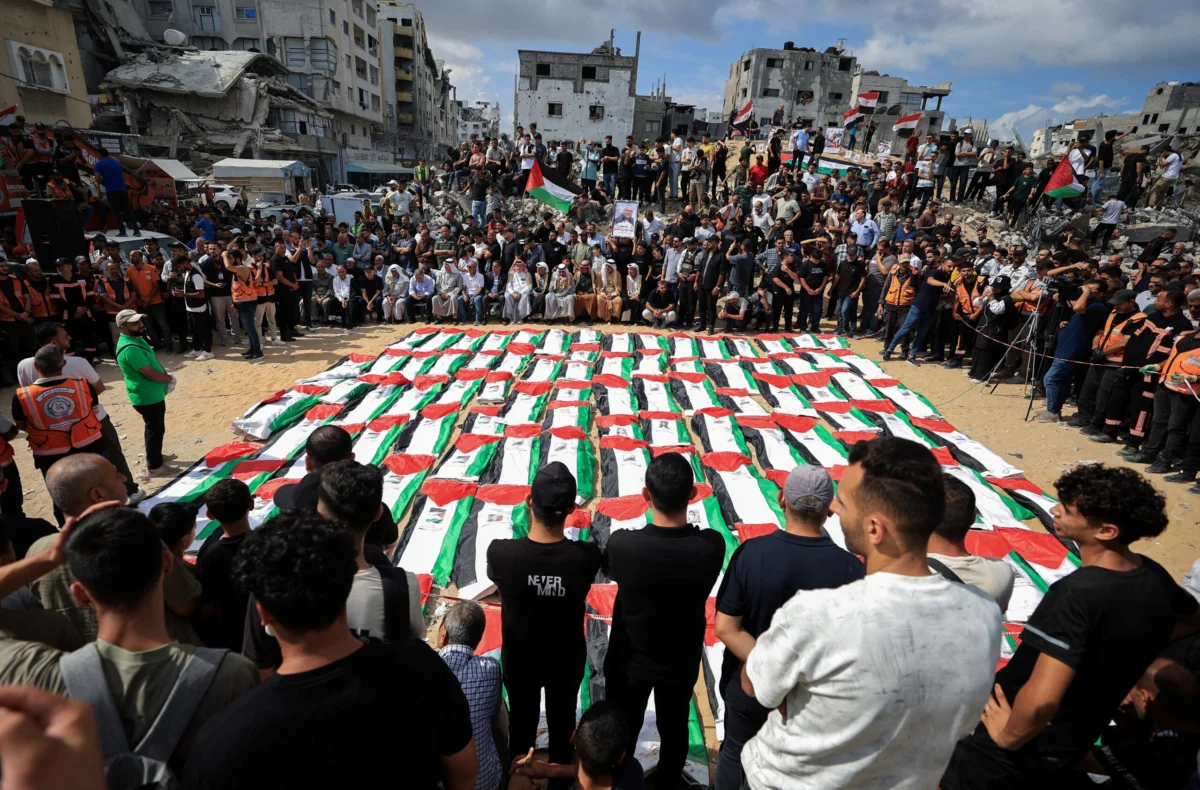
The ongoing military actions are exacerbating an already critical humanitarian situation. Reporting from Gaza City, Al Jazeera’s Ibrahim Al Khalili described the environment as "going from bad to worse in the wake of these Israeli attacks." He noted that these strikes are occurring perilously close to displacement camps, where hundreds of thousands of Palestinians had sought refuge, only to find themselves caught in the crossfire of what he termed "ongoing ceasefire violations."
Further compounding the violence, an aerial attack on another vehicle in the central Gaza city of Deir el-Balah resulted in the deaths of at least two more Palestinians. A separate strike in Gaza City claimed at least one additional life. In addition to these immediate fatalities, a man and a woman succumbed to injuries sustained from Israeli gunfire in prior days. The violence also extended to Khan Younis, where an infant and an elderly woman were wounded by Israeli gunfire in separate incidents, underscoring the indiscriminate nature of the ongoing hostilities.
International Condemnation Mounts Amidst Diplomatic Stalemate
The persistent Israeli actions in Gaza and the occupied West Bank have drawn sharp criticism from global leaders gathered for the United Nations General Assembly (UNGA). On Tuesday, the leaders of the United Kingdom, France, and Canada issued a joint statement expressing their disapproval of Israel’s policies, particularly its role in blocking a two-state solution through continued settlement expansion in the West Bank. They also reiterated the urgent need to address the suffering of the Palestinian population in Gaza.
UN Secretary-General António Guterres publicly denounced Israel’s conduct in the Palestinian enclave, emphasizing the critical need for "the United Nations to be allowed to perform our mandates in Gaza." His statement underscored the challenges faced by humanitarian organizations attempting to provide aid and support amidst ongoing conflict and restrictions.
Turkish President Recep Tayyip Erdogan reaffirmed his nation’s commitment to the Gaza ceasefire agreement, as a signatory party. He called for the swift commencement of reconstruction efforts in the devastated territory, highlighting the international community’s shared responsibility to rebuild Gaza and restore normalcy for its residents.
The Long Road to Gaza Reconstruction: Challenges and Dependencies
The Board of Peace’s proposed $2.4 billion reconstruction plan, while a significant step, is embedded within a complex web of political and security dependencies. The inclusion of 66 projects signifies a broad approach to rebuilding infrastructure, housing, healthcare facilities, and educational institutions, all of which have been severely degraded by years of conflict.
The overarching financial commitment of $35 billion for medium-term recovery and an additional $71.4 billion for long-term development paints a stark picture of the devastation. This figure reflects not only immediate war damage but also the cumulative impact of the blockade and the limited resources available for essential services and economic development in Gaza.
The critical precondition set by the Board of Peace – the disarmament of Hamas – represents a major hurdle. While Hamas and other factions have agreed in principle to a disarmament plan, the practical implementation of such an agreement is fraught with challenges. This includes the verification process, the security assurances for the factions, and the broader political landscape within Gaza and between Palestinian factions.
The historical context of previous ceasefire agreements and reconstruction efforts in Gaza is also crucial. Many initiatives have been hampered by political infighting, Israeli restrictions on the import of materials, and the cyclical nature of violence, which often undoes progress made. The Board of Peace acknowledges this by stating they are "not bound by a calendar," signaling a cautious approach aimed at achieving sustainable outcomes rather than quick fixes.
Humanitarian Crisis Deepens as Reconstruction Plans Emerge
The ongoing Israeli military operations, even as reconstruction plans are being formulated, highlight the severe humanitarian crisis gripping Gaza. The enclave, home to over two million Palestinians, has been under a crippling blockade for over a decade, severely limiting the movement of people and goods and leading to widespread poverty and unemployment.
The repeated cycles of conflict have decimated Gaza’s infrastructure. Hospitals struggle with shortages of essential medical supplies, schools operate under strained conditions, and the water and sanitation systems are in dire need of repair and expansion. The proposed reconstruction plan aims to address these critical needs, but its effectiveness is directly tied to the cessation of hostilities and the lifting of the blockade.
The civilian impact of the ongoing violence is profound. Families are repeatedly displaced, losing their homes and livelihoods. The psychological toll on the population, particularly children, is immense, with ongoing exposure to violence and insecurity leading to long-term trauma. The deaths of seven Palestinians on the day of the reconstruction plan’s announcement serve as a grim reminder of the immediate human cost of the conflict.
Global Reactions and the Path Forward for Gaza
The international community’s response to the situation in Gaza remains divided, though there is a growing consensus on the need for immediate humanitarian assistance and a long-term political solution. The endorsements from world leaders at the UNGA, including those from the UK, France, and Canada, signal a desire for a more robust engagement with the Israeli-Palestinian conflict.
UN Secretary-General Guterres’s plea for unfettered access for UN mandates underscores the operational challenges faced by international organizations. The ability to deliver aid, assess needs, and implement reconstruction projects effectively is paramount.
President Erdogan’s call for swift reconstruction reflects the sentiment of many nations that see the rebuilding of Gaza as a moral and political imperative. However, the realization of these aspirations hinges on several factors: Israel’s commitment to de-escalation and withdrawal, the internal reconciliation and disarmament of Palestinian factions, and the sustained engagement of the international community to ensure accountability and provide the necessary resources.
The Board of Peace’s proposal, while ambitious, represents a critical juncture. Its success will depend not only on the funding and project implementation but also on the broader political will to address the root causes of the conflict and ensure a future where the people of Gaza can live in peace and dignity, free from the specter of violence and destruction. The path forward requires a delicate balance of diplomatic pressure, humanitarian aid, and a commitment to finding a lasting political resolution.