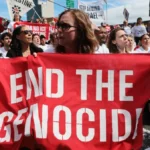
New York City police apprehended approximately 100 demonstrators, including prominent actors and political figures, outside the United Nations headquarters on Tuesday as they protested Israeli Prime Minister Benjamin Netanyahu’s address to the UN General Assembly. The arrests occurred after protesters, organized by the advocacy group Jewish Voice for Peace, blocked traffic and refused to disperse when ordered by authorities. Among those taken into custody were Oscar-winning actress Susan Sarandon and Emmy winner Hannah Einbinder, alongside Democratic congressional candidate Darializa Avila Chevalier and New York City Council member Chi Osse.
Protesters Decry Actions in Gaza
The demonstration, which drew an estimated 200 participants, saw individuals clad in white T-shirts emblazoned with messages such as "Fund people not bombs," "No war," and "Free Palestine." These slogans underscored the protesters’ deep opposition to Israel’s military operations in Gaza and its broader policies towards Palestinians. The group’s vocal dissent aimed to disrupt Netanyahu’s appearance at the UN, a platform they argued he should not use to legitimize actions they deem to be atrocities.
One protester, Manijeh Moradian, a 50-year-old university professor of Iranian and Jewish heritage, articulated the sentiment driving the demonstration. "What’s being done to Gaza, the obliteration of an entire society, in our name, with our tax dollars, this is our responsibility to speak out against," Moradian stated. She added, "Netanyahu has no right to use the platform of the United Nations to justify these atrocities." The protesters’ chants, including "Netanyahu go to hell," echoed their strong condemnation.
Netanyahu’s UN Address Amidst International Scrutiny
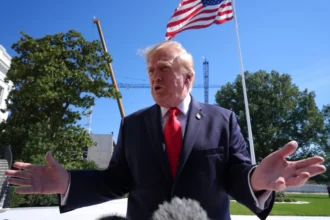
Inside the UN General Assembly hall, Prime Minister Netanyahu delivered a speech intended to defend Israel’s actions in the Middle East and counter a growing wave of international isolation, particularly as Israel approached upcoming domestic elections. His address, however, was met with a significant walkout, with dozens of delegates from various nations leaving the chamber as he spoke. This exodus signaled a clear diplomatic rebuff and highlighted the deep divisions within the international community regarding the ongoing conflict.
Rights groups and activists have accused the UN of providing a platform for individuals they consider "war criminals." The departure of delegations during Netanyahu’s speech served as a powerful visual representation of this dissent, underscoring the global unease and condemnation surrounding the conflict’s humanitarian toll.
Broader Pro-Palestinian Demonstrations Erupt
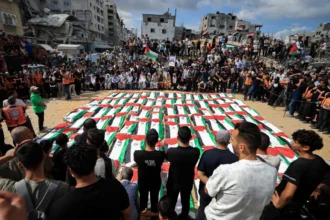
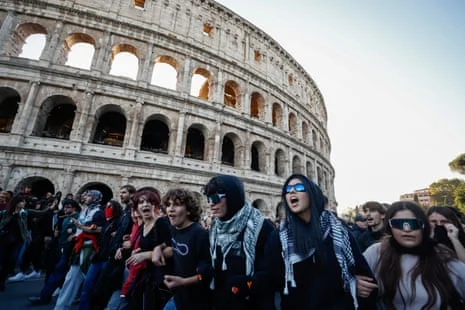
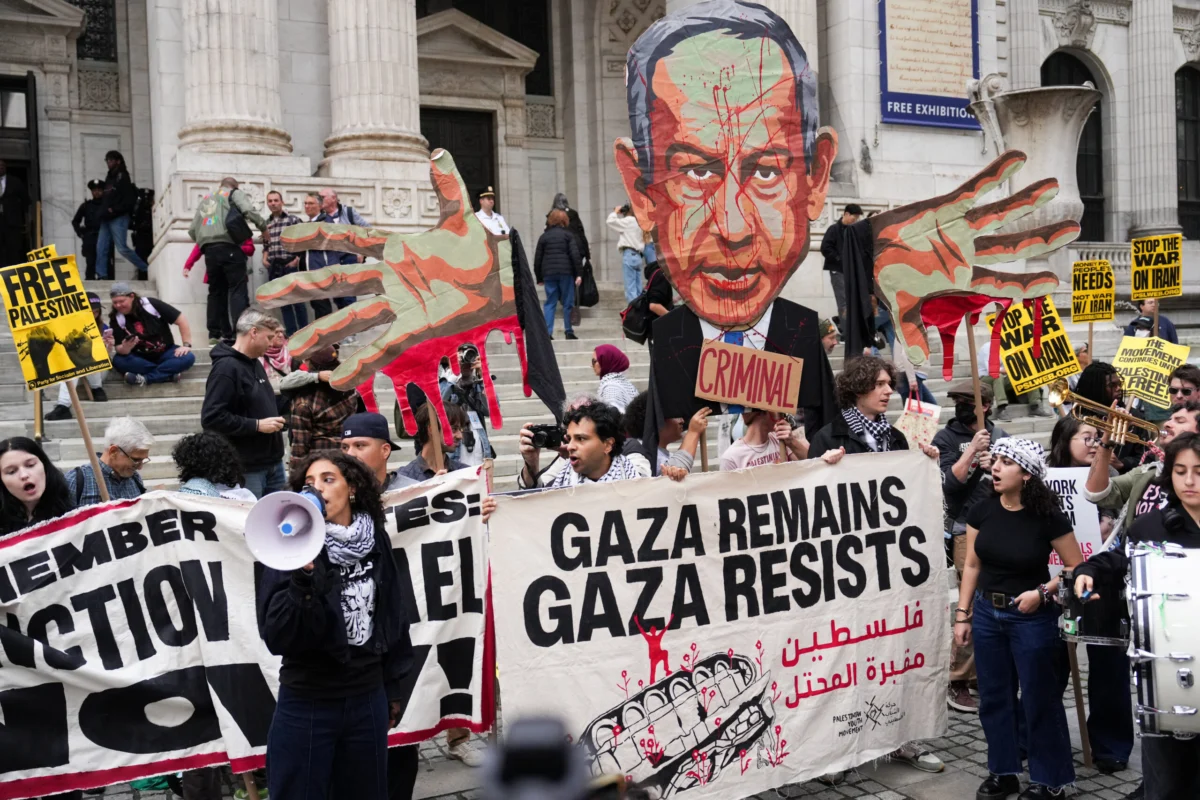
Concurrently, separate pro-Palestine demonstrations took place across Manhattan, demonstrating the widespread nature of the opposition. On the steps of the New York Public Library, a diverse crowd gathered, waving Palestinian flags and carrying banners that declared "New York rejects Zionism" and "Palestine deserves freedom." These actions amplified the call for Palestinian self-determination and expressed solidarity with those affected by the conflict.
Religious leaders also voiced their opposition. Rabbi Yitzchok Deutsch, representing Neturei Karta International, criticized Prime Minister Netanyahu for what he described as "using our religion, our identity, to justify all these crimes." Deutsch further extended a message of gratitude to New York City Mayor Zohran Mamdani, commending his perceived efforts to challenge Netanyahu’s presence and actions.
Questions of Accountability and International Law
The presence of Prime Minister Netanyahu at the United Nations, a forum ostensibly dedicated to peace and international cooperation, raised significant questions about accountability and the application of international law. Protester Melissa Zuniga voiced a common sentiment when she questioned the rationale behind allowing Netanyahu to speak at the UN, especially in light of what she termed an "international warrant for his arrest." This sentiment reflects a growing call for legal recourse against leaders accused of war crimes and human rights violations.
The arrests of prominent figures like Susan Sarandon and Hannah Einbinder brought heightened media attention to the protest, amplifying the message of the demonstrators. Their involvement underscored the intersection of celebrity activism and political dissent, drawing a wider audience to the complex issues at play. The image of well-known public figures being detained for their political expression resonated with many, sparking conversations about freedom of speech and the right to protest government policies.
The Role of Advocacy Groups
Jewish Voice for Peace, the organization that spearheaded the protest outside the UN, has been a consistent voice in advocating for Palestinian rights and criticizing Israeli government policies. The group’s strategy of organizing visible demonstrations, particularly during high-profile international events like the UN General Assembly, aims to exert pressure on policymakers and raise public awareness. Their efforts highlight a growing internal debate within Jewish communities regarding the Israeli-Palestinian conflict, with some advocating for more critical engagement with Israeli actions.
The slogans displayed on the protesters’ T-shirts—"Fund people not bombs"—reflect a broader movement challenging conventional approaches to foreign policy and defense spending. This perspective argues for prioritizing human development and social programs over military interventions and the perpetuation of conflict. The call for "No war" and "Free Palestine" are central tenets of this advocacy, framing the situation as an urgent humanitarian crisis requiring immediate international intervention and a fundamental shift in policy.
Wider Implications and Public Discourse
The events outside the UN headquarters and the parallel demonstrations across the city underscore the deep and often contentious divisions within the United States regarding the Israeli-Palestinian conflict. The arrests of celebrities and politicians further politicize the issue, drawing it into mainstream cultural and political discourse. This heightened visibility can mobilize new segments of the population and amplify calls for policy change, while also potentially entrenching opposing viewpoints.
The contrast between the protests and Netanyahu’s speech within the UN highlights the ongoing struggle for narrative control on the international stage. While Netanyahu sought to present a unified front and defend Israel’s security interests, the international walkouts and the visible dissent outside the building demonstrated a significant challenge to that narrative. This dynamic plays out not only in diplomatic halls but also in public opinion, media coverage, and the broader cultural landscape, shaping how the conflict is understood and addressed globally.
The Legal and Ethical Dimensions of Protest
The arrests of protesters, including notable figures, raise important questions about the balance between public order and the right to peaceful assembly and free speech. While authorities are responsible for maintaining security and preventing disruptions, the detention of individuals for their political expression can be perceived as an infringement on fundamental rights. The involvement of law enforcement in dispersing and arresting demonstrators, especially when they are engaged in non-violent protest, often sparks debate about the limits of dissent and the role of the state in managing public demonstrations.
The presence of individuals like Susan Sarandon, a vocal activist with a long history of political engagement, lends significant weight to such protests. Her arrest, along with that of other public figures, ensures that the demonstration receives widespread media coverage, thereby amplifying the protesters’ message to a broader audience. This celebrity involvement can galvanize supporters, attract media attention, and put pressure on elected officials and international bodies to address the issues raised by the protesters.
The UN as a Platform and a Target
The United Nations, as a global forum for diplomacy and international dialogue, often finds itself at the center of contentious political issues. Prime Minister Netanyahu’s address was a significant event, drawing international attention and providing a platform for him to articulate Israel’s position. However, the protests and the walkouts demonstrated that the UN can also be a focal point for opposition and criticism, highlighting the challenges of achieving consensus and addressing deeply entrenched conflicts within its framework.
The accusation that the UN hosts "war criminals" is a severe indictment of the organization’s role and its ability to uphold international justice. While the UN provides a platform for all member states, the legitimacy of that platform is questioned when leaders accused of serious international crimes are given the opportunity to address the global community. This tension underscores the ongoing debate about accountability and the mechanisms available to the international community to address alleged human rights abuses and war crimes. The actions of the protesters, in this context, were an attempt to hold both the speaker and the venue accountable.