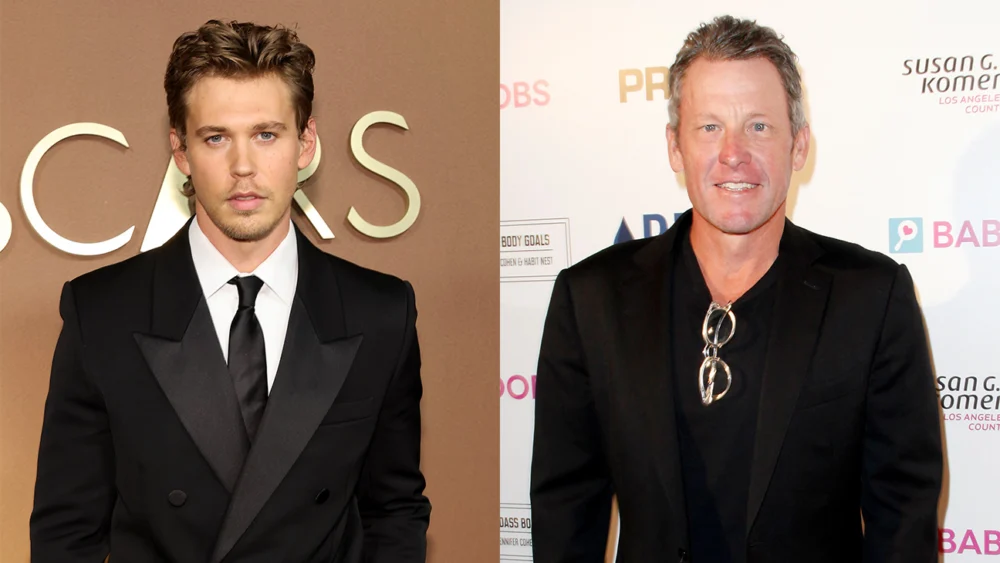
Austin Butler, the Oscar-nominated actor known for his transformative role in Elvis, is attached to star as disgraced cyclist Lance Armstrong in an upcoming biopic. The high-profile project brings together a formidable creative team, with Academy Award-winning director Edward Berger at the helm and seasoned producer Scott Stuber overseeing the production. The screenplay is being penned by Zach Baylin, an Oscar nominee recognized for his work on the critically acclaimed King Richard.
The film is currently an independent production, operating outside of Stuber’s recently relaunched United Artists shingle, a venture under Amazon MGM. This distinction means the project, laden with decorated talent, is actively being shopped to various studio partners for distribution. Stuber has secured the crucial life rights to Armstrong, providing the filmmakers with direct access to his complex and controversial story.
The Rise and Fall of a Sporting Icon
Lance Armstrong’s journey from promising young cyclist to global superstar is one of the most compelling and tragic narratives in modern sports history. Born in Plano, Texas, Armstrong quickly distinguished himself in cycling, turning professional in 1992. His early career showed flashes of brilliance, including a stage win at the Tour de France in 1993 and a victory at the World Championships. However, his life took a dramatic turn in 1996 when he was diagnosed with advanced testicular cancer, which had spread to his brain, lungs, and abdomen.
Against all odds, Armstrong underwent aggressive treatment and made a miraculous recovery. His return to professional cycling was heralded as a triumph of human spirit and resilience. This period also saw the establishment of the Lance Armstrong Foundation in 1997, later rebranded as Livestrong. The foundation quickly became a global phenomenon, raising hundreds of millions of dollars for cancer research and support, and its iconic yellow wristbands became a symbol of hope and perseverance worldwide.
From 1999 to 2005, Armstrong achieved unprecedented dominance in the world of professional cycling, winning the Tour de France a record-setting seven consecutive times. His victories captivated audiences globally, cementing his status as not only a sporting legend but also a beacon of inspiration for cancer survivors. He transcended the sport, becoming one of the most recognizable and admired athletes on the planet, a testament to his seemingly indomitable will and extraordinary athletic prowess.
The Unraveling: Doping Allegations and Confession
Despite his public image as an inspirational figure, whispers and allegations of doping plagued Armstrong throughout much of his career. For years, he vehemently denied any wrongdoing, often aggressively confronting accusers and employing sophisticated legal and public relations strategies to protect his reputation. However, the scrutiny intensified, particularly after his retirement from the sport in 2011.
The turning point arrived with a comprehensive investigation launched by the United States Anti-Doping Agency (USADA), led by CEO Travis Tygart. In 2012, USADA concluded its extensive inquiry, publishing a damning "Reasoned Decision" that detailed what it described as "the most sophisticated, professionalized and successful doping program that sport has ever seen." The report presented overwhelming evidence, including sworn testimony from numerous former teammates, implicating Armstrong in a systematic scheme of performance-enhancing drug use, including EPO, blood transfusions, and testosterone.
The findings led to Armstrong being stripped of all his seven Tour de France titles and issued a lifetime ban from sanctioned sports. The decision sent shockwaves through the sporting world and among his millions of fans. Initially, Armstrong continued to deny the allegations. However, in January 2013, he sat down for a highly anticipated interview with Oprah Winfrey, where he publicly admitted to using performance-enhancing drugs during his career. This confession shattered his carefully constructed image, leading to a massive public backlash, the loss of nearly all his major sponsors, and his forced resignation from the Livestrong Foundation.
Assembling the Cinematic Vision
The task of bringing Armstrong’s complex narrative to the screen falls to a team of highly respected filmmakers. Austin Butler, who earned an Academy Award nomination for his portrayal of Elvis Presley, brings a proven ability for embodying real-life figures with intensity and nuance. His recent roles in Dune: Part Two and upcoming projects such as Michael Mann’s Heat 2, Joseph Kosinski’s Miami Vice, and Luca Guadagnino’s American Psycho further solidify his status as a leading man capable of tackling demanding roles. Portraying Armstrong will undoubtedly be a significant challenge, requiring him to navigate the vast spectrum of Armstrong’s public and private personas.
Director Edward Berger arrives with immense critical acclaim, fresh off his Oscar-winning success with the German-language war epic All Quiet on the Western Front. Berger’s talent for crafting visually stunning, emotionally resonant, and morally complex narratives makes him a compelling choice to direct the Armstrong biopic. His previous works, including Conclave and The Ballad of a Small Player, demonstrate a keen ability to delve into challenging human stories. Berger is also currently filming A24’s The Riders, starring Brad Pitt, further highlighting his prominent standing in the industry.
Producer Scott Stuber, a veteran of Hollywood, brings extensive experience in developing and shepherding major film projects. His career includes producing a wide array of films, and he recently served as the head of Netflix’s film division, overseeing a vast slate of productions. Stuber is currently nominated for a Best Picture Oscar for his work on Guillermo del Toro’s Frankenstein. His acquisition of Armstrong’s life rights underscores the project’s serious intent to present an authoritative account of the cyclist’s life.
The screenplay is in the capable hands of Zach Baylin, whose Oscar-nominated script for King Richard showcased his skill in crafting compelling sports biopics centered on multifaceted characters. Baylin’s approach often delves into the psychological motivations and complex relationships that shape athletes’ lives, making him well-suited to tackle the intricate layers of Armstrong’s story. Josh Glick and Zac Frognowski will join Baylin as executive producers, alongside Nick Nesbit.
The Challenges and Implications of a Controversial Biopic
The decision to produce a biopic about Lance Armstrong comes with inherent challenges. His story is deeply divisive, eliciting strong emotions from those who admired him as a hero and those who felt profoundly betrayed by his deception. Any cinematic portrayal must navigate this moral tightrope, aiming for a balanced and unflinching examination without glorifying his actions or reducing his complex life to a simple villain narrative.
Previous attempts to bring Armstrong’s story to the screen, such as Stephen Frears’ 2015 film The Program, have met with mixed critical and commercial results, highlighting the difficulty in capturing the full scope of his rise, fall, and the broader implications of his actions. This new production, however, benefits from a stronger pedigree of talent and the benefit of a decade of reflection since Armstrong’s confession, potentially allowing for a more comprehensive and nuanced exploration.
The film will likely delve into themes of ambition, the corrupting influence of power, the pressure to win at all costs, and the nature of public image versus private reality. It also provides an opportunity to reflect on the broader issue of doping in professional sports, the integrity of athletic competition, and the mechanisms that allow such deceptions to persist. How the film addresses the enduring legacy of the Livestrong Foundation, which continues its vital work despite its founder’s disgrace, will also be a critical aspect.
Seeking a Studio Partner and Future Prospects
The independent nature of the production, despite its A-list talent, means that securing a studio partner for distribution is the next critical step. The package, stacked with Oscar-nominated and winning creatives, represents a significant investment and a potentially major awards contender. Studios will be weighing the commercial appeal of Armstrong’s controversial story against the artistic ambition of the team. The market for prestige biopics remains robust, especially for stories that spark public conversation and offer powerful character studies.
As Austin Butler prepares to step into the role of Lance Armstrong, the project promises to reignite discussions about one of the most compelling and tragic figures in recent memory. The film will undoubtedly challenge audiences to confront the complexities of heroism, deception, and the elusive quest for redemption, offering a powerful cinematic exploration of a life that captivated, inspired, and ultimately disillusioned millions around the globe.