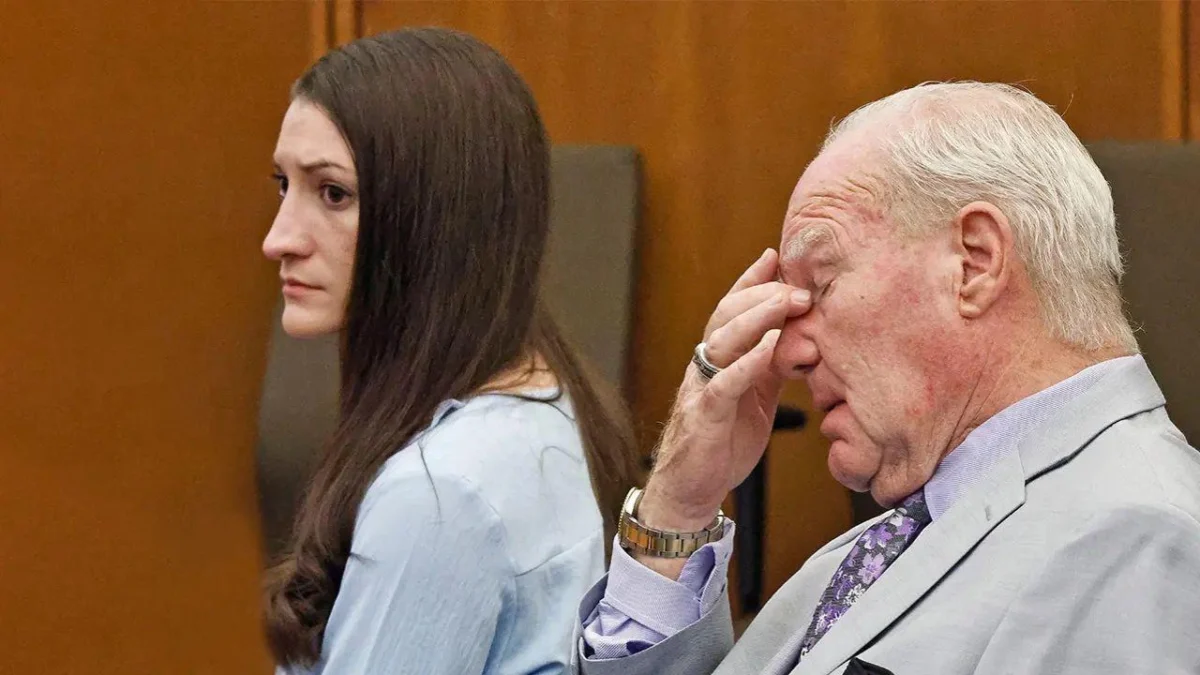
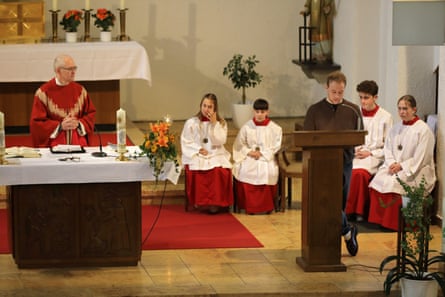
The bells of St. Laurentius church echoed through the valleys of the Black Forest this week, marking exactly nine decades since a group of London students was caught in a lethal blizzard on the slopes of the Schauinsland mountain. British relatives and German villagers gathered in the small community of Hofsgrund to honor the victims of the 1936 disaster, an event that remains a poignant symbol of both local heroism and the manipulative power of pre-war political propaganda.

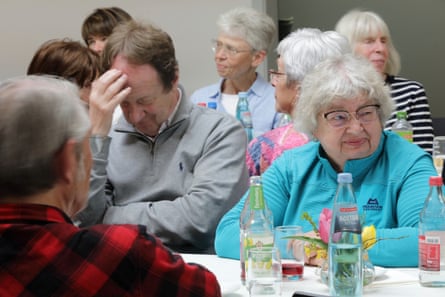
The 90th-anniversary ceremony brought together the descendants of survivors and those who perished, many of whom were meeting for the first time. The gathering served as a formal acknowledgment of the historical truth surrounding the "English Misfortune," a tragedy that was systematically rewritten by the Nazi regime to serve its own diplomatic ends. As the church bells rang, the congregation remembered the night of April 17, 1936, when 27 schoolboys and their teacher were trapped in deep snow and blinding fog.
The 1936 Disaster on Schauinsland Mountain
The original event began as a spring hiking trip intended to foster cultural exchange. Kenneth Keast, a 27-year-old teacher from the Strand School in Brixton Hill, led a party of nearly 30 boys on what was supposed to be a routine trek. Despite the season, the weather in the higher elevations of the Black Forest remained volatile. Local residents had warned Keast that conditions were deteriorating rapidly, yet the group proceeded up the mountain.
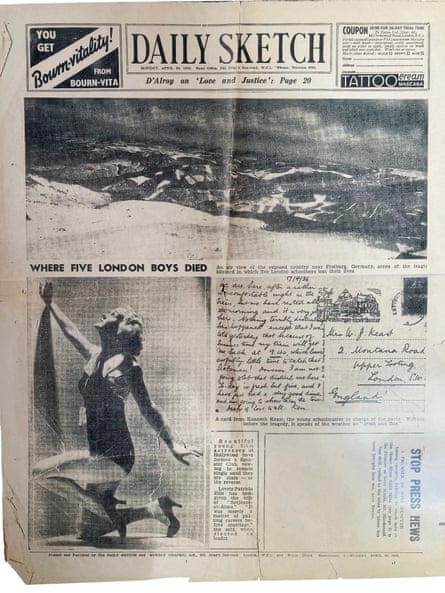
The boys, some as young as 12, were woefully unprepared for the conditions. Historical records indicate they were dressed in shorts and light sandals, carrying only meager rations of buttered rolls and water. As they ascended the 4,213-foot Schauinsland, the temperature plummeted and a heavy blizzard set in. Visibility dropped to near zero, and the group soon became hopelessly lost in the mounting drifts.
Keast, equipped with a grossly inadequate 1:100,000 scale map and a compass he was reportedly unable to operate, struggled to find a path to safety. As the boys began to collapse from exhaustion and hypothermia, two of the older students, Douglas Mortifee and R.G.S. Farrants, managed to break away from the group. Fumbling through the whiteout, they eventually stumbled upon a farmhouse at the edge of Hofsgrund, alerting the residents to the disaster unfolding on the peaks above.
Heroism of Hofsgrund Villagers vs. Nazi Propaganda
The response from the people of Hofsgrund was immediate and selfless. Armed with lanterns and traditional horn sledges, the villagers launched a rescue mission into the heart of the storm. They spent hours scouring the slopes, finding boys scattered across the frozen terrain. Five of the students—Jack Eaton, Peter Ellerkamp, Roy Witham, Douglas Findlay, and Cecil Batten—could not be saved.
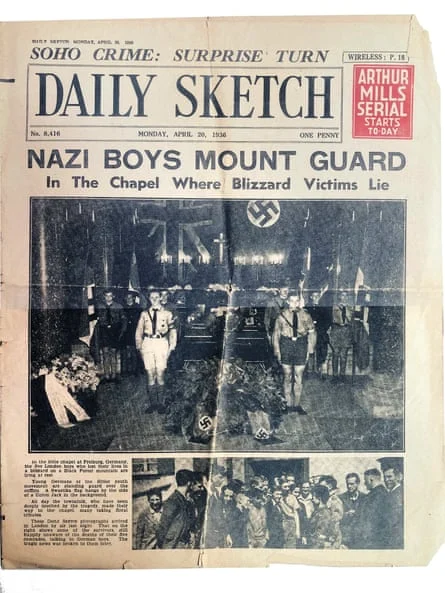
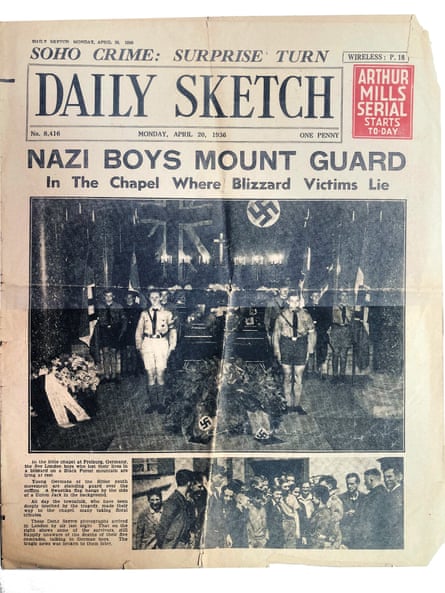
While the villagers performed the actual rescue, the Nazi government quickly recognized the event’s potential for international messaging. In the days following the tragedy, the Hitler Youth organization moved in to seize control of the narrative. They staged elaborate ceremonies, flanking the coffins of the five deceased boys with uniformed members to project an image of German-British solidarity.
This "propaganda coup" was designed to influence British public opinion during a period when Adolf Hitler was actively seeking to prevent British intervention in German expansionist policies. The images of German youths mourning alongside British students were distributed globally, reinforcing the narrative of a friendly, compassionate Germany. This orchestrated display supported the efforts of those in Britain advocating for a policy of appeasement to avoid a second world war.
A Teacher’s Negligence and the Quest for Accountability
The political climate of 1936 also played a significant role in shielding Kenneth Keast from the consequences of his decisions. To maintain the facade of international friendship, German authorities dropped potential criminal charges against the teacher. In the United Kingdom, the press initially mirrored the German narrative, portraying Keast as a heroic figure who had fought to save his students rather than the man whose poor judgment had led them into a death trap.
The British government, however, quietly conducted its own assessment. While Keast avoided prosecution, he was permanently barred from leading further school trips abroad. Despite this, the full extent of his negligence remained largely hidden from the public for decades. The families of the deceased, particularly Jack Eaton’s father, were left to struggle for the truth.
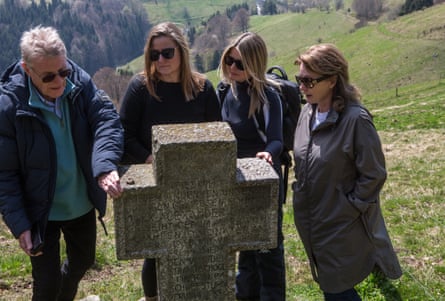
Mr. Eaton traveled to Germany shortly after the accident, determined to investigate the circumstances of his son’s death. He commissioned a modest stone cross to be placed near the spot where Jack, the school’s boxing champion, had collapsed just meters from the safety of the village. The Nazi authorities, however, censored the monument, forcing the removal of an inscription that blamed the teacher for the tragedy.

Uncovering the Truth Behind the English Misfortune
The shift toward an accurate historical record began in earnest through the work of Bernd Hainmüller, a retired teacher and researcher from Freiburg. Over 26 years, Hainmüller painstakingly reconstructed the events of that night, uncovering archival documents that exposed the Nazi manipulation of the story. His research revealed that the "English Misfortune" was not an unavoidable act of nature, but a tragedy caused by human error and exploited by a totalitarian state.
A significant turning point occurred following the 80th anniversary, when investigative reporting brought Hainmüller’s findings to a wider international audience. This prompted a wave of contact from descendants of the survivors, many of whom held fragments of the story in the form of old diaries, letters, and frostbite scars. These pieces of personal history have now been integrated into a comprehensive account of the disaster.
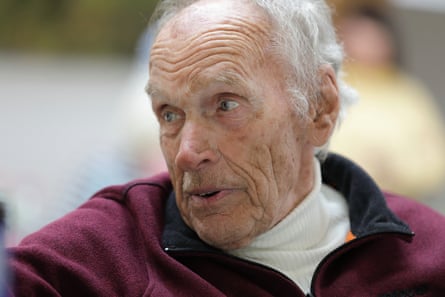
During the 90th-anniversary events, the local museum received a donation of a pencil-written diary and postcards belonging to Ken Osborne, the youngest survivor. In one postcard sent home just after the rescue, Osborne wrote with the characteristic stoicism of the era: "We got lost. It might be in the papers and so we have been told to write and say that I am quite safe."
Restoring the Legacy of the Strand School Students
The recent commemorations in the Black Forest have served as a form of restitution for the families involved. For many, like Nancy Whelan, the niece of Jack Eaton, the visit was a deeply emotional journey to fulfill the wishes of her ancestors. Touching the stone cross dedicated to her uncle, she noted that her family had spent nearly a century simply wanting the truth to be recognized.
Klaus Vosberg, the current mayor of the region, has committed to ensuring that the historical record is physically corrected. He announced that the original inscription intended by Jack Eaton’s father—stating that the "teacher failed them in the hour of trial"—will be re-engraved on the monument. This act will finally replace the sanitized version of history that was enforced by the Third Reich.
The impact of the rescue also resonated through the lives of the survivors during World War II. Norman Hearn and Stanley Few, two of the boys saved by the villagers, famously refused to take up arms against Germany when the war broke out three years later. They insisted that because Germans had saved their lives, they could not justify fighting them. Both were eventually deployed to the Asian theater instead.
Long-term Consequences and Cultural Memory
The 90-year remembrance has solidified a unique bond between the London neighborhood of Brixton Hill and the German village of Hofsgrund. While the Nazi rune-style monument erected by the regime still stands on the mountain as a relic of propaganda, it is the modest stone cross and the stories of the rescuers that now dominate the local memory.
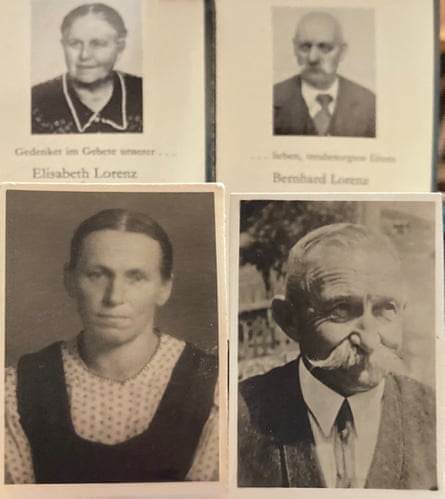
Descendants of the rescuers, such as Paula Gnaerhrich and Ewald Lorenz, shared stories passed down through generations. They recalled how their grandparents, including the village cobbler and local farmers, never viewed themselves as heroes but simply as neighbors performing a duty. Many of those same rescuers were later conscripted into the German military; several, including two who died at the Battle of Stalingrad, never returned to their homes in the Black Forest.
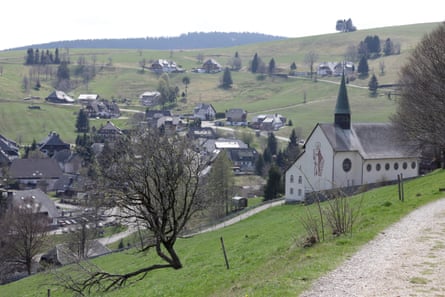
As the families shared coffee and cake in the village hall, the minutiae of the rescue were finally pieced together. Relatives compared notes on who had carried which boy to safety and how the village’s dark green ceramic ovens—which still exist in the farmhouses today—were used to slowly warm the frozen children. This collaborative effort to preserve the "real" history of the UK schoolboys’ fatal hike ensures that the lessons of the tragedy, and the genuine humanity of the rescuers, will not be lost to future generations.