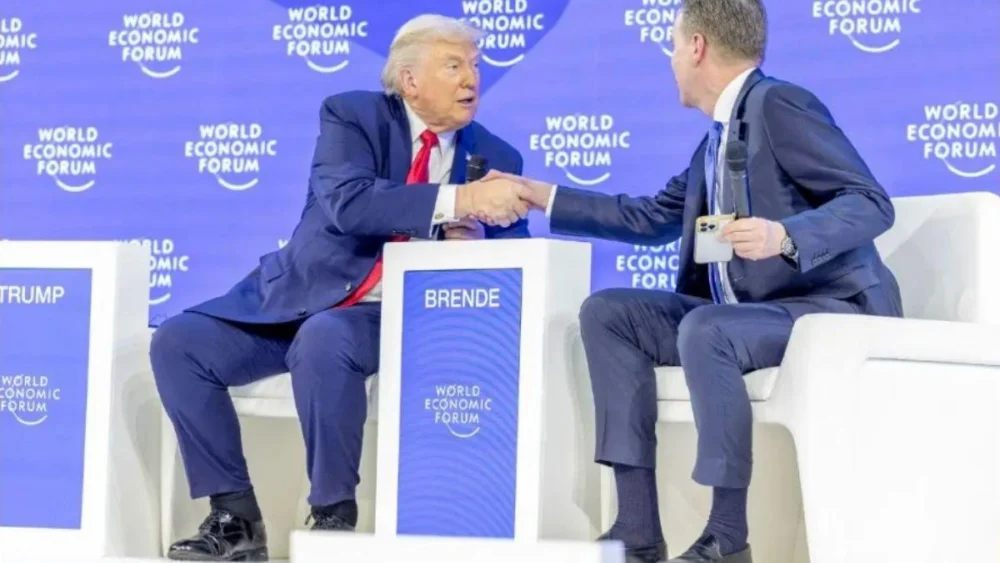
Recent weeks have seen heightened public discussion surrounding the health of former President Donald Trump, a narrative amplified by a pointed comedic sketch on NBC’s Saturday Night Live. The popular late-night show featured an impersonation of Trump that directly addressed visible physical signs, including bruising on his hands, sparking renewed debate and scrutiny over his fitness for office. This comedic portrayal has interwoven with ongoing concerns and explanations from Trump and his campaign regarding his physical well-being as he navigates a demanding political landscape.
Political Satire Takes Aim at Presidential Health
Saturday Night Live, a long-standing institution in American television, has historically served as a mirror reflecting and often satirizing the nation’s political figures and events. Its latest foray into political commentary saw actor James Austin Johnson, renowned for his accurate portrayal of Donald Trump, take center stage in a fictional "Trump Awards ceremony." The sketch opened with Johnson’s Trump character addressing an unseen audience with characteristic unfiltered remarks, labeling them "awful" and "terrible," before segueing into the central theme of his health.
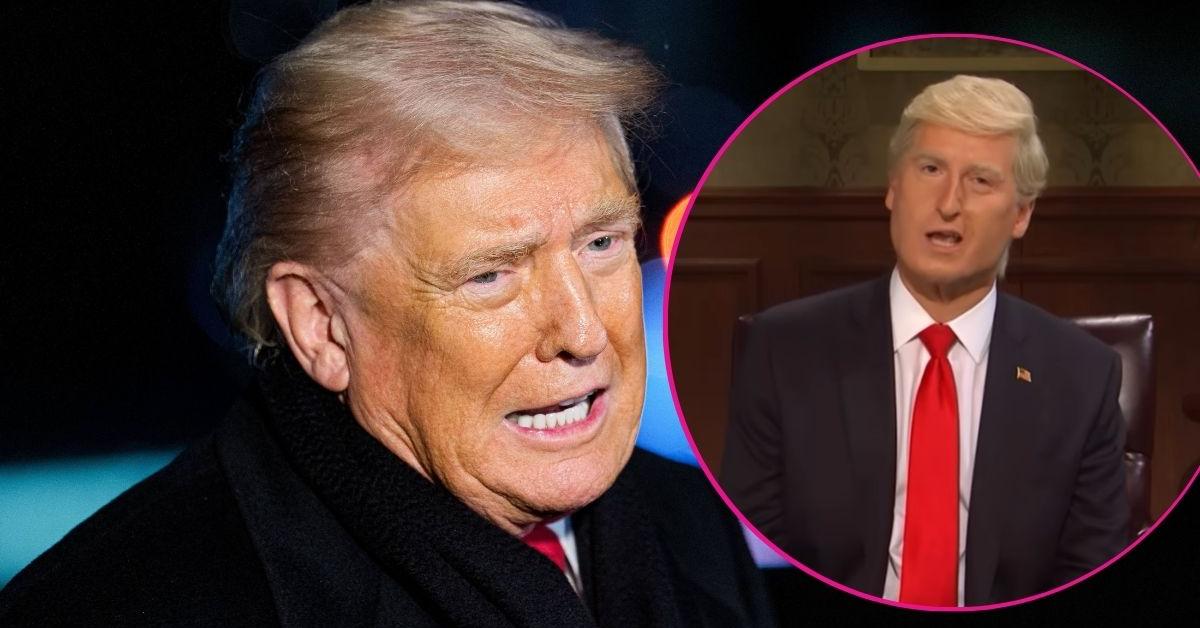
The comedic performance did not shy away from directly referencing public observations about the former president’s physical condition. Johnson’s Trump character quipped about his hands, suggesting that clapping might cause his "dead purple hands" to "explode with blood." This line was a direct, albeit exaggerated, nod to the visible bruising that has drawn significant attention and speculation in media reports and social discourse. The segment underscored how quickly visual cues regarding a public figure’s health can become fodder for both serious inquiry and sharp satire, shaping public perception in a high-stakes political environment.
Unpacking the Health Concerns: Bruising and Explanations
The genesis of the Saturday Night Live sketch lies in a series of public appearances by Donald Trump where observers noted distinctive bruising on his hands. These visible marks ignited a fresh wave of public and media scrutiny regarding the former president’s health, particularly given his age and his prominent role in the upcoming presidential election cycle. The health of presidential candidates is a perennial topic of interest, with voters often seeking assurances of a leader’s stamina and physical capacity to handle the immense pressures of the Oval Office.
Trump himself has offered multiple explanations for the bruising. In an interview published by The Wall Street Journal on January 1, he attributed the marks to taking higher doses of aspirin, a common blood thinner. He stated, "They say aspirin is good for thinning out the blood, and I don’t want thick blood pouring through my heart." This explanation, while offering a medical rationale, also implicitly acknowledged the presence of the bruising and his awareness of it. The statement raised questions among some about the necessity or dosage of his medication, inviting further discussion among medical commentators, though specific details of his regimen remain private.
Aspirin, Accidents, and Cosmetic Cover-ups
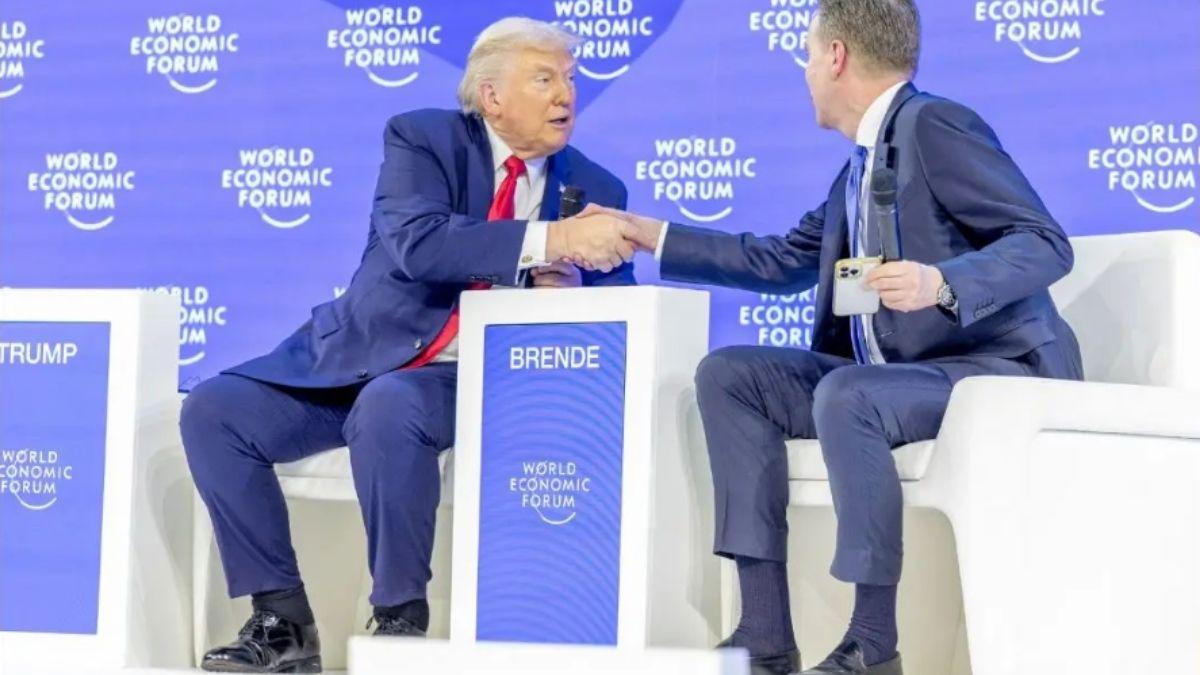
Further complicating the narrative, distinct bruising was notably visible on Trump’s left hand during his appearance at the World Economic Forum in Davos, Switzerland, prompting direct inquiries from reporters. On this occasion, Trump provided an alternative explanation, claiming he had an accident. "I’m very good. I clipped it on the table," he told journalists, attempting to downplay the significance of the marks. This dual explanation – one attributing the bruising to medication and another to a minor physical mishap – fueled public skepticism and led many to wonder about the full transparency of his health disclosures.
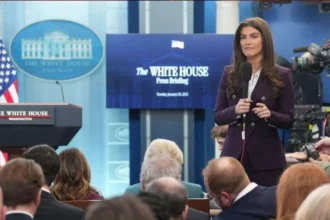
Adding another layer to the public’s perception, Trump also revealed that he uses makeup to cover the bruises, stating it is "easy to put on" and takes "about 10 seconds." While using makeup for cosmetic purposes is not unusual, this admission, combined with the varying explanations for the bruising, intensified speculation about what else he might be attempting to conceal or manage in his public image. White House Press Secretary Karoline Leavitt later echoed Trump’s "accident" explanation, asserting that he "hit his hand on the corner of the signing table, causing it to bruise" during a "Board of Peace event" in Davos. Despite these official statements, the public dialogue continued, with many remaining unconvinced by the seemingly disparate accounts.
Broader Implications for the Campaign Trail

The discussion around Donald Trump’s health, exacerbated by the SNL sketch, carries significant weight for the upcoming political season. In American politics, the health of presidential candidates is not merely a personal matter but a subject of intense public interest, often becoming a factor in voter confidence and campaign strategy. For an older candidate, such as Trump, any visible sign of physical vulnerability can be amplified by opponents and scrutinized by the media, potentially influencing how voters perceive their stamina and ability to lead.
Political campaigns meticulously manage the images of their candidates, and health concerns can disrupt carefully crafted narratives. Trump’s campaign faces the challenge of addressing these questions while simultaneously projecting an image of strength and vigor. The SNL sketch, by bringing these concerns into the realm of popular culture and humor, ensures that the topic remains in the public consciousness, potentially forcing the campaign to reiterate or refine its messaging around the former president’s well-being. This ongoing scrutiny is a testament to the high expectations placed on presidential candidates, where even minor physical ailments can become magnified into major political talking points.
The Significance of Presidential Fitness
The debate over a presidential candidate’s health extends beyond immediate physical appearance. It delves into deeper questions about their cognitive function, endurance, and overall capacity to handle the immense stress and demands of the highest office. Voters assess not only a candidate’s policy positions but also their perceived ability to withstand the rigors of national and international leadership. This is particularly true in an era of 24/7 news cycles and complex global challenges.
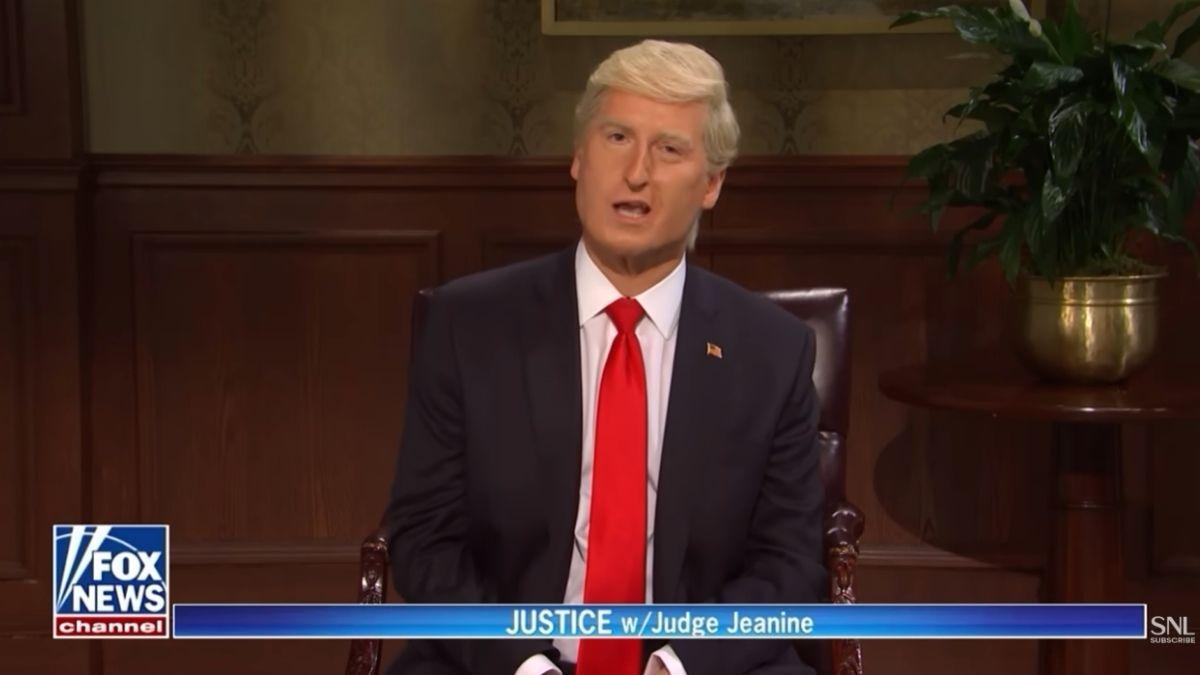
Historically, the health of U.S. presidents and candidates has occasionally been a hidden or openly debated factor in political contests. From Franklin D. Roosevelt’s polio to John F. Kennedy’s undisclosed health issues, and more recently, concerns about President Joe Biden’s age, physical fitness remains a sensitive and often politicized aspect of public life. The ongoing discussion surrounding Donald Trump’s health, therefore, fits into a broader pattern of public and media interest in ensuring that those who seek to lead the country are demonstrably capable of fulfilling the office’s demanding responsibilities.
Public Reaction and Media Scrutiny
The SNL sketch, by explicitly referencing Trump’s "dead purple hands" and even jokingly alluding to a "brain tumor" (which the character thanks as "the big man upstairs" during an acceptance speech), deliberately pushed the boundaries of political satire. This comedic approach resonates differently across the political spectrum. Supporters of Trump often dismiss such portrayals as biased attacks, while critics view them as legitimate commentary on perceived inconsistencies or evasions from the former president. The sketch’s final joke, where Johnson’s Trump declares, "But I promise you, I’m just getting started," added another layer of irony, playing on Trump’s characteristic defiance while also subtly highlighting the ongoing nature of these health discussions.
The media’s role in this dynamic is crucial. News organizations face the task of reporting on health concerns responsibly, balancing the public’s right to information with the need to avoid baseless speculation or diagnosing public figures from afar. The coverage of Trump’s bruising, his explanations, and the SNL sketch illustrate the intricate relationship between hard news, political commentary, and entertainment in shaping public discourse. Each element feeds into the other, creating a complex narrative that voters must navigate.
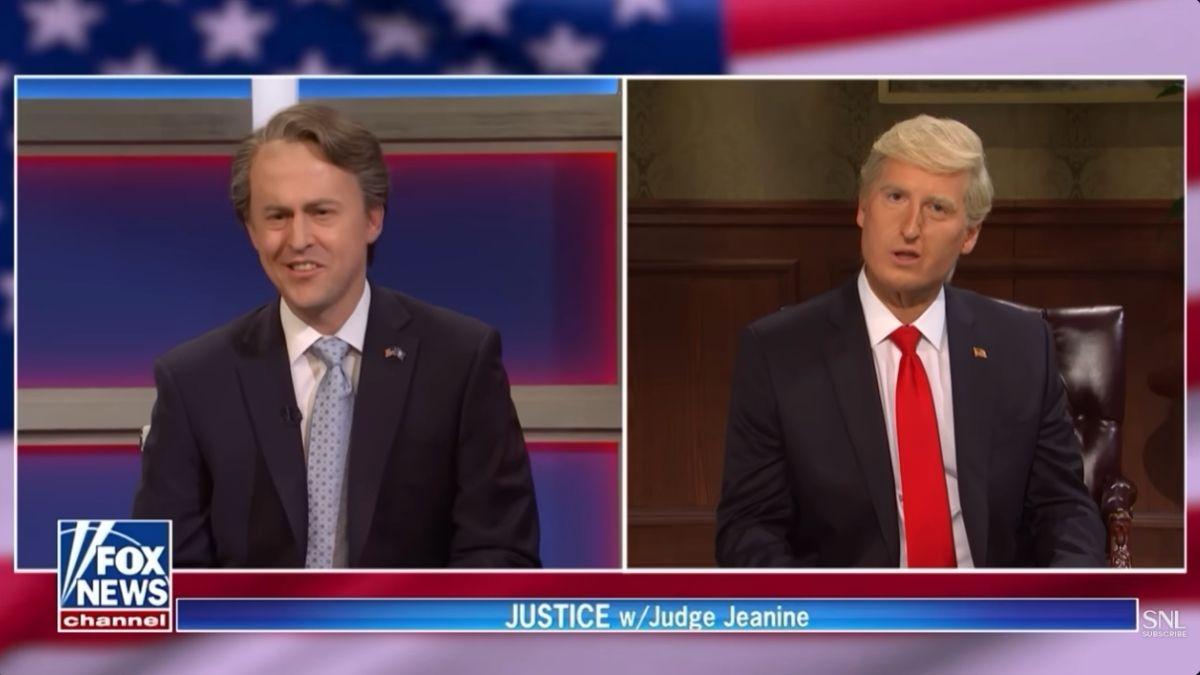
SNL’s Role in Shaping Political Narratives
Saturday Night Live has a unique position in American culture, often distilling complex political issues into digestible, humorous sketches. Its portrayals can, at times, influence public opinion or at least solidify existing perceptions. By dedicating a segment to Donald Trump’s health and the visible signs of bruising, SNL elevated the topic from niche medical speculation to mainstream comedic commentary, ensuring it reached a broader audience. This cultural amplification highlights the power of satire not just to entertain but also to frame political narratives and contribute to ongoing public debates.
The specific jokes within the sketch – such as Trump claiming his doctor said he "can live to be 120 or current age" – satirize the sometimes grand or vague pronouncements made by politicians regarding their health. They tap into a collective public awareness of the aging process and the desire for transparency from leaders. The sketch’s ability to combine specific visual details (the bruised hands) with broader political anxieties (fitness for office, truthfulness of statements) demonstrates its continued relevance as a barometer of the national mood.
Looking Ahead: Health as a Campaign Factor
As the political landscape continues to evolve, the health of Donald Trump, and indeed all presidential candidates, will undoubtedly remain a significant point of interest and potential contention. The SNL sketch serves as a cultural marker, indicating that these concerns have moved beyond the realm of niche political analysis and into the broader public consciousness. Campaigns will need to be prepared to address these issues head-on, offering clear and consistent messaging to maintain public trust.
The interplay between political reality, media scrutiny, and comedic commentary will continue to shape how voters perceive the candidates. For Donald Trump, the visible bruising on his hands and the subsequent explanations, now immortalized in popular culture through Saturday Night Live, underscore the constant demands for transparency and accountability that come with seeking the nation’s highest office. These discussions will likely persist, influencing campaign strategies and voter sentiment as the election cycle progresses, ensuring that the question of presidential fitness remains a central theme in American political discourse.