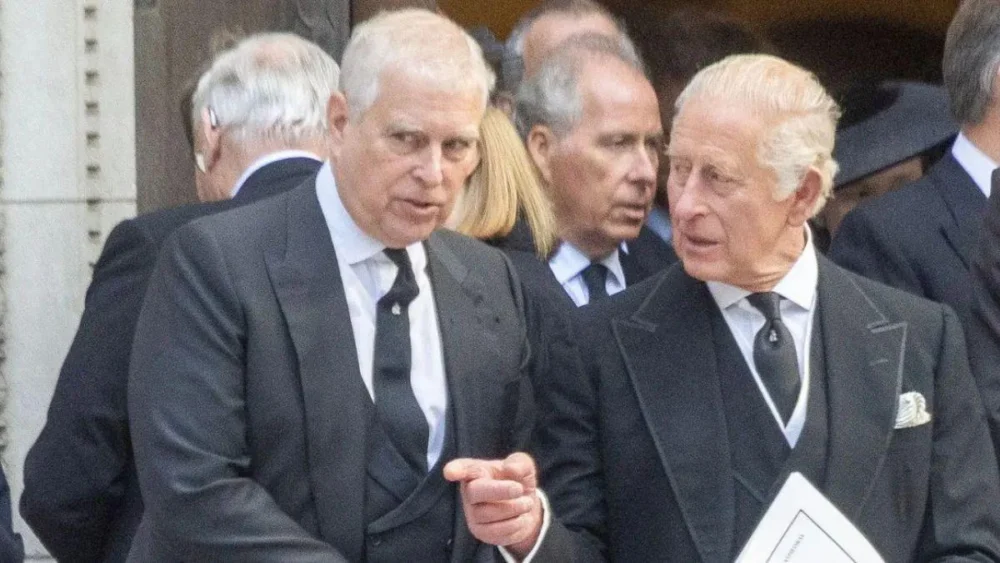
King Charles III has reportedly taken decisive action to manage his younger brother, Prince Andrew, compelling him to relocate to the Sandringham Estate in Norfolk amid continued fallout from his association with convicted s*x offender Jeffrey Epstein. This move, which effectively removes the former Duke of York from the public eye in Windsor, underscores the monarch’s determination to shield the Royal Family from further reputational damage, particularly following recent revelations from unsealed court documents related to Epstein. Palace insiders suggest King Charles sees this "containment" strategy as the only viable option for his brother, who has been described as "unstable."
King Charles Navigates Lingering Scandal
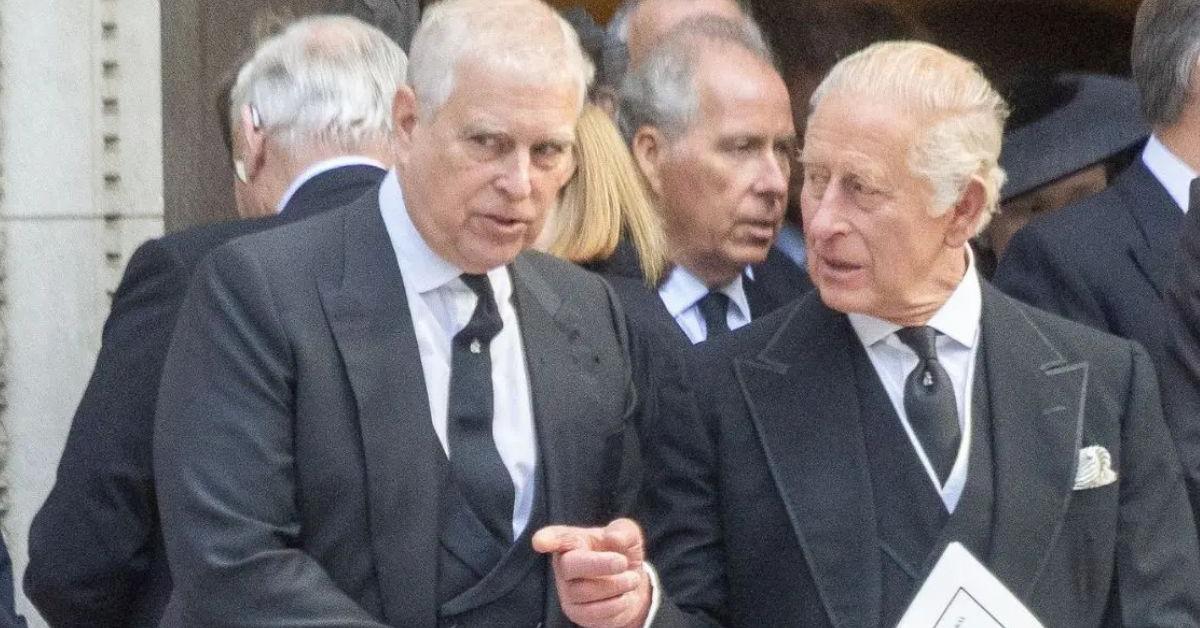
The monarch’s decision to enforce Prince Andrew’s move from his longtime residence at Royal Lodge, Windsor, to the more secluded Sandringham property, specifically Wood Farm, marks a significant chapter in the ongoing saga of Andrew’s public disgrace. Sources speaking to The Sunday Times indicated King Charles felt he had "no other option than to provide for his brother," emphasizing that all support would be privately funded. This approach aims to prevent any further attempts by Andrew to support himself through independent means, which have historically led to increased scrutiny and controversy for the Royal Family.
The relocation is a direct consequence of Prince Andrew being stripped of his royal titles and military affiliations in January 2022, following a civil s*xual assault lawsuit filed against him in the United States by Virginia Giuffre. Although Andrew consistently denied the allegations, he reached an out-of-court settlement with Giuffre in February 2022, a move widely seen as an attempt to mitigate further damage to the monarchy’s standing. Since then, his role within the Royal Family has been virtually non-existent, leaving King Charles with the challenging task of managing a prominent, yet disgraced, family member.
Timeline of Prince Andrew’s Exile and the Epstein Fallout

Prince Andrew’s association with Jeffrey Epstein became a major public issue in 2019, following Epstein’s arrest and subsequent death. Allegations made by Virginia Giuffre, who claimed she was trafficked by Epstein and forced to have sx with Andrew when she was underage, brought intense scrutiny upon the Duke of York. Andrew’s disastrous BBC Newsnight* interview in November 2019, where he attempted to explain his friendship with Epstein and deny Giuffre’s claims, was widely criticized for his lack of empathy and perceived evasiveness. The interview led to an immediate public outcry and initiated his withdrawal from public life.
The pressure on the monarchy intensified, culminating in Queen Elizabeth II’s decision in January 2022 to strip Andrew of his military patronages and HRH style, effectively removing him as a working royal. He was also barred from using the title "His Royal Highness" in any official capacity. These actions were a direct response to the civil lawsuit and the growing public demand for accountability.
For years, Prince Andrew had resided at Royal Lodge, a sprawling property in Windsor Great Park, which had been his home since 2004. However, King Charles reportedly pressured his brother to vacate the residence, citing the substantial costs of its upkeep, estimated to be millions of pounds, which Andrew, as a non-working royal, could no longer justify. The monarch’s intention was to relocate Andrew to a more modest property on the Sandringham Estate, a private royal residence in Norfolk.

The Sandringham Solution: Containment and Seclusion
The move to Sandringham was initially planned for later in the month (February 2026, as per the article’s publication date), with Marsh Farm designated as his more permanent residence after renovations. However, recent events accelerated the timetable, leading to Andrew’s early departure from Royal Lodge. He has temporarily moved to Wood Farm, a simpler dwelling on the Sandringham property that has historically been used by various royals seeking a more private, less ostentatious life. The secluded nature of Wood Farm, far from the constant media presence in Windsor, is central to King Charles’s "containment" strategy.
The catalyst for this expedited move was the release of millions of documents from Jeffrey Epstein’s estate by the U.S. Department of Justice on January 30, 2026. These unsealed files reignited public interest in the scandal, bringing renewed focus on Prince Andrew and his past connections. Although Andrew has consistently denied any wrongdoing, the re-emergence of his name in these documents, alongside photographs featuring him and his ex-wife Sarah Ferguson, proved too much for King Charles.
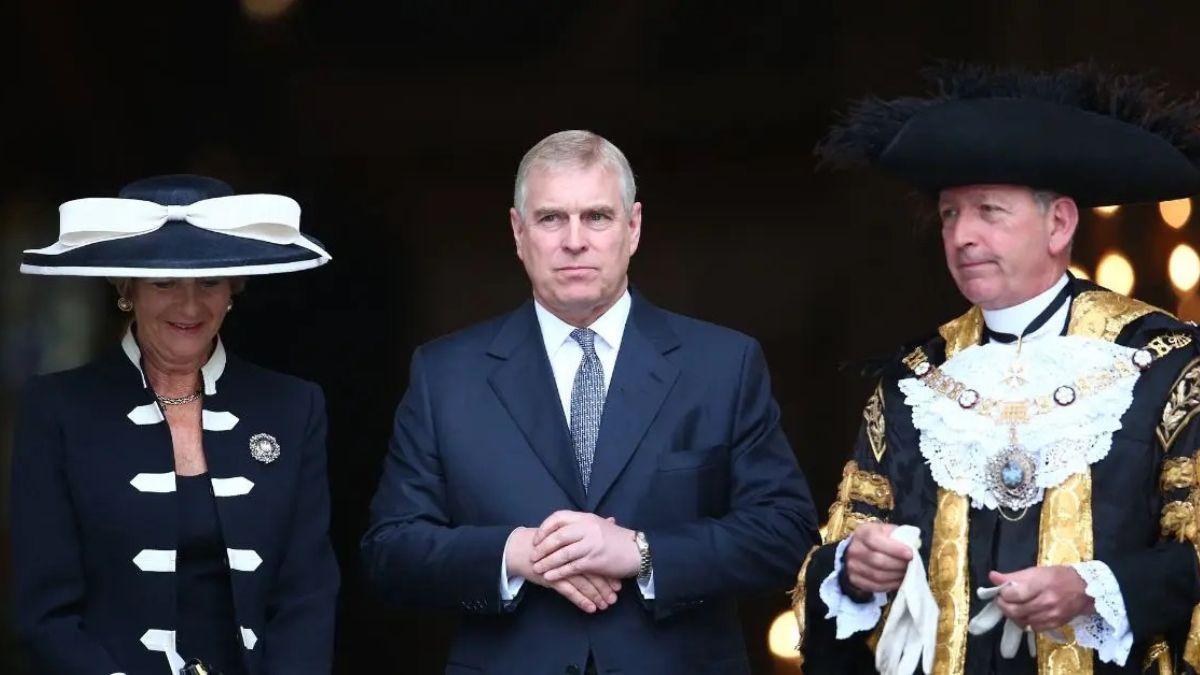
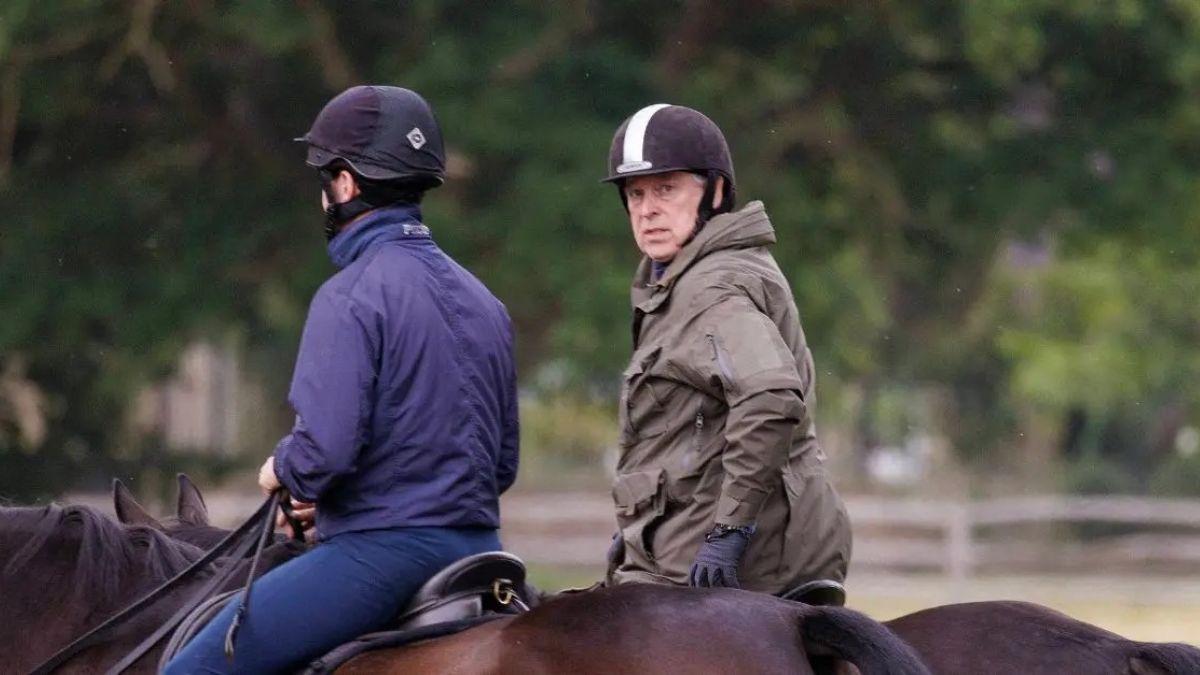
A source close to the royal family conveyed to Daily Mail on February 4, 2026, that "the sight of him plastered on the front pages out riding his horse or driving in his car past photographers in Windsor, amid the continued dripping poison of the Epstein files, was just too much." The King reportedly declared "enough was enough," and the message was swiftly relayed to Andrew that he needed to move to Norfolk immediately, away from the intense scrutiny of Windsor.
Financial Provisions and Public Scrutiny
Under the new arrangements, Prince Andrew is reportedly receiving a "modest stipend" from King Charles to cover his living expenses. Furthermore, the monarch is also funding his younger brother’s security costs and the expenses associated with his relocation. This private funding model is crucial for the monarchy, as it allows King Charles to provide for his brother without drawing on public funds, which would undoubtedly provoke further public outrage given Andrew’s controversial status. The need for security remains a significant concern, despite Andrew’s removal from official duties, due to his continued high profile and the nature of the allegations against him.
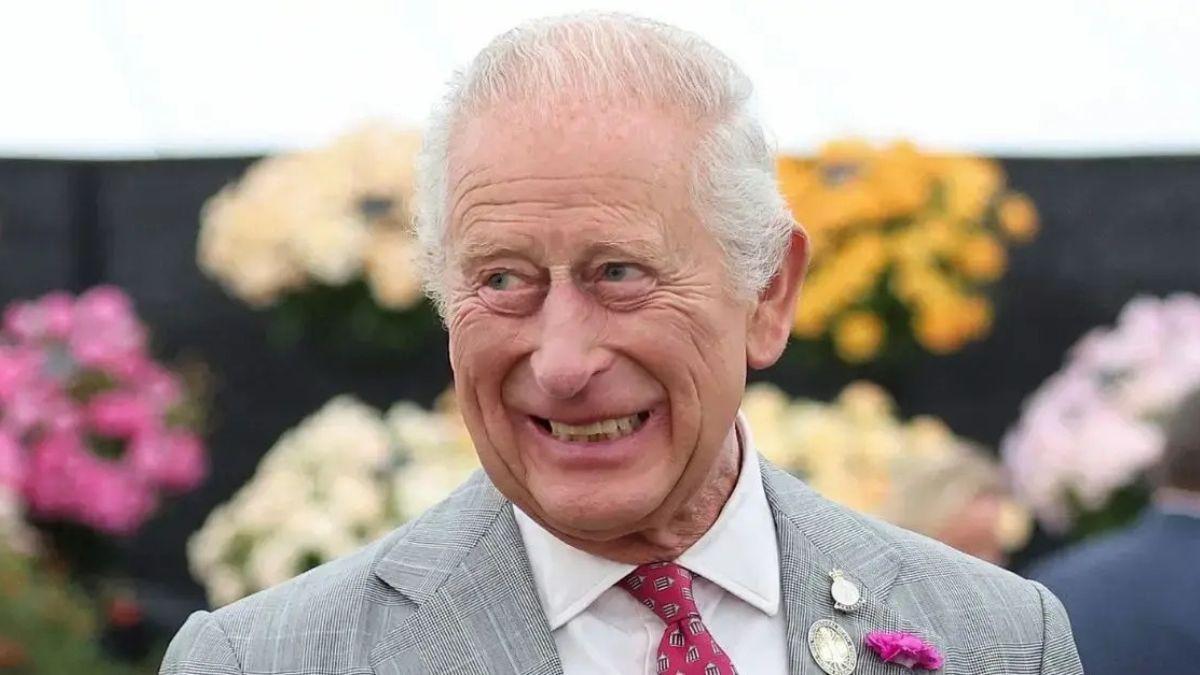
The public’s persistent demand for accountability regarding Prince Andrew’s past was starkly evident just days after the expedited move. On February 5, 2026, King Charles was heckled during an engagement in the United Kingdom with Queen Camilla. An onlooker directly questioned the sovereign, asking, "Charles, Charles, have you pressurized the police to start investigating Andrew?" The King, accompanied by Queen Camilla, 78, continued his walkabout, shaking hands with the public, seemingly unfazed by the direct challenge. However, such incidents highlight the enduring impact of the scandal on public perception of the Royal Family and the difficult position King Charles finds himself in.
Broader Implications for the Monarchy
Prince Andrew’s forced relocation to Sandringham symbolizes the monarchy’s ongoing struggle to manage its internal challenges while maintaining public trust and its image of stability. The "containment" strategy is designed to minimize further negative headlines and distance the institution from Andrew’s past. By moving him to a private estate and ensuring private funding, King Charles aims to draw a clear line between the working Royal Family and his disgraced brother.
The decision also reflects King Charles’s leadership style and his commitment to streamlining the monarchy, focusing on a smaller, more efficient core of working royals. The enduring shadow cast by the Epstein scandal continues to test the institution’s resilience and its efforts to modernize and adapt to contemporary expectations of transparency and accountability. While Prince Andrew’s ex-wife, Sarah Ferguson, 66, had lived with him at Royal Lodge since 2008, she will not be joining him at Sandringham, further underscoring Andrew’s increasing isolation within the royal sphere. The future holds little prospect of Prince Andrew returning to any form of public life, with his presence now largely confined to the secluded grounds of the Sandringham Estate, a testament to the lasting consequences of his past associations.