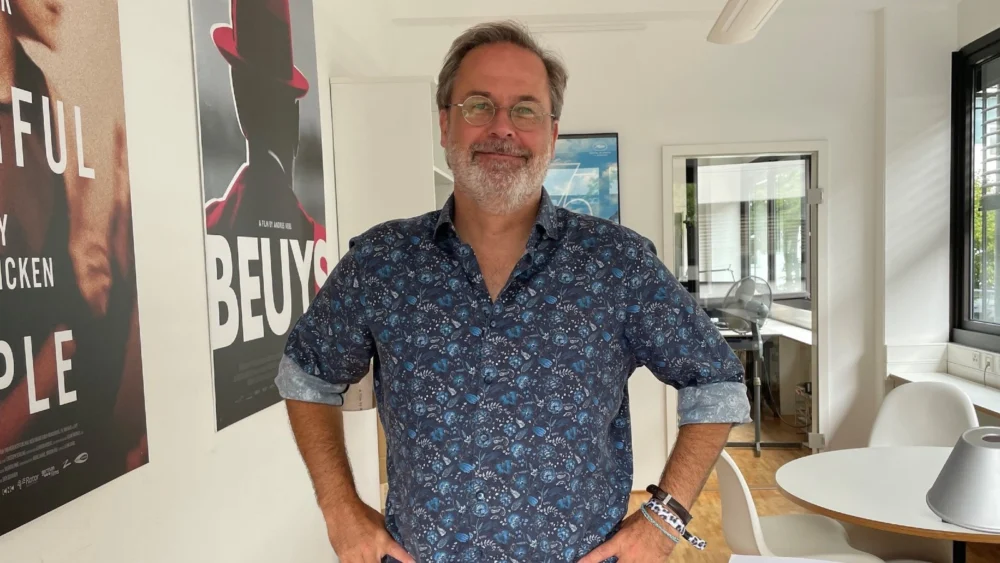
Thorsten Ritter, a veteran of international film sales and a former executive vice president at Beta Cinema, has officially joined German production powerhouse Weydemann Bros., signaling a significant strategic expansion for the Berlin and Cologne-based company. Ritter will establish and spearhead a new Munich office, a move designed to bolster the producer’s international co-production slate and deepen its global reach, particularly in the United Kingdom and English-language markets. His appointment comes at a pivotal moment for the German film industry, which is actively seeking to enhance its appeal as a global production hub through new governmental initiatives.
Ritter’s New Role and Weydemann Bros.’ Strategic Vision
The establishment of a Munich base marks a crucial step in Weydemann Bros.’ growth trajectory, extending its geographical footprint beyond its established operations. In his new capacity, Ritter will be tasked with identifying and cultivating international production and co-production opportunities, leveraging his extensive network and deep understanding of the global film market. The strategic focus on English-language projects and the UK market underscores a deliberate effort to tap into wider commercial and creative landscapes.
Jonas Weydemann, co-founder of Weydemann Bros., emphasized the long-standing relationship with Ritter, citing his instrumental role in the international marketing success of their critically acclaimed film, System Crasher. "Thorsten Ritter and we have a long history together, not just since his successful international marketing of System Crasher," Weydemann stated. "His vast experience, creativity and commitment to film convinced us to bring him on board as a producer, especially to further develop our international production and co-production activities, with a focus on the UK and English-language films in general."
Ritter himself expressed enthusiasm for his new venture, highlighting the synergy with the Weydemann Bros. team. "Working with Jonas, Jakob and the team at Weydemann Bros is a dream come true," Ritter commented. "They are as passionate as they are sharp, always finding opportunity in every challenge. I’m excited to contribute my UK contacts and sales perspective and to collaborate with both emerging talent and established filmmakers across a wide range of projects." His remarks underscore a commitment to fostering diverse creative partnerships and navigating the evolving demands of global film production.
A Career Defined by Global Reach
Thorsten Ritter’s career in the film industry spans several decades, marked by a consistent dedication to bringing diverse, high-quality cinematic works to international audiences. His journey reflects a profound understanding of both the artistic and commercial facets of global film distribution.
Ritter’s Tenure at Beta Cinema
Before joining Weydemann Bros., Ritter served for more than a decade as Executive Vice President at Beta Cinema, a prominent Munich-based sales agent. During his tenure, which concluded last year, he played a pivotal role in shaping the company’s international profile and expanding its portfolio of acclaimed films. His sales credits at Beta Cinema include a diverse array of titles that garnered critical attention and festival recognition. Among them are Nora Fingscheidt’s powerful debut System Crasher (2019), a collaboration that first connected him with Weydemann Bros. Other notable films he handled include Amrum, From Hilde, With Love, The Happy Prince, Nowhere Special, Calibre, and Woman at War. These films collectively represent a breadth of genres and storytelling approaches, from poignant dramas to compelling thrillers, solidifying Beta Cinema’s reputation for championing distinctive voices.
Pioneering International Sales at Bavaria Film International
Ritter’s influence on the global film landscape predates his time at Beta Cinema. He previously served as head of sales at Bavaria Film International, where he was instrumental in elevating a new wave of German and European cinema onto the world stage. His strategic vision helped secure international distribution for some of the most iconic and critically lauded films of the early 21st century. These include Wolfgang Becker’s universally acclaimed tragicomedy Good Bye, Lenin! (2003), a cultural phenomenon that resonated deeply across Europe; Marc Rothemund’s powerful historical drama Sophie Scholl – The Final Days (2005), which earned an Academy Award nomination for Best Foreign Language Film; and Aki Kaurismäki’s poignant The Man Without a Past (2002), a Cannes Grand Prix winner. He also contributed to the international success of Fatih Akin’s Head-On (2004), a Golden Bear winner at Berlin, and Tomas Alfredson’s chilling Swedish vampire film Let the Right One In (2008), which became a cult classic. These achievements underscore Ritter’s knack for identifying films with global appeal and effectively positioning them for success in diverse markets.
Beyond Sales: The Oldenburg International Film Festival
Ritter’s commitment to independent cinema extends beyond his sales roles. He is also a co-founder of the Oldenburg International Film Festival, an event renowned for its independent spirit and its dedication to discovering new talent and unconventional narratives. Established in 1994, the festival has grown to become a significant platform for emerging filmmakers and a respected fixture on the international festival circuit. His involvement with Oldenburg highlights a broader passion for fostering film culture and supporting the creative ecosystem from the ground up, providing a crucial launchpad for many careers and films.
Weydemann Bros.’ Ascendant Profile
Founded in 2012 by brothers Jakob D. Weydemann and Jonas Weydemann, Weydemann Bros. has rapidly cultivated a formidable reputation within the independent film community. Operating from their bases in Berlin and Cologne, the company has consistently championed distinctive storytelling and innovative filmmaking, collaborating with both established and emerging talents.
Their recent portfolio exemplifies this commitment to diverse and impactful cinema. The Outrun (2024), starring Saoirse Ronan and directed by Nora Fingscheidt, premiered to strong reviews, further cementing their collaboration with Fingscheidt after System Crasher. The film, based on Amy Liptrot’s acclaimed memoir, showcases the company’s ability to attract high-caliber talent and adapt compelling literary works. Weydemann Bros. also produced The Mysterious Gaze of the Flamingo (2025), Chile’s submission for the Academy Awards, a testament to their engagement with international voices and their capacity to produce films that resonate on a global stage. Another notable success is Amanda Nell Eu’s Tiger Stripes (2023), which won the Critics’ Week Grand Prize at the Cannes Film Festival, marking a significant achievement for the Malaysian director’s debut feature and highlighting Weydemann Bros.’ support for bold, new artistic visions. These productions collectively underscore the company’s strategic position in the independent film landscape, characterized by a blend of artistic ambition and international appeal.
Germany’s Renewed Ambition as a Production Hub
Thorsten Ritter’s move to Weydemann Bros. occurs against a backdrop of significant shifts and renewed governmental support for the German film industry. These developments are poised to make Germany an increasingly attractive destination for international film and television production.
Government Initiatives and Industry Support
Just last week, the German culture ministry unveiled a series of ambitious initiatives aimed at bolstering the nation’s film and television sector. Key among these are new obligations for streaming services and a substantial increase in public funding designed to stimulate local production. The new streamer quotas will mandate that digital platforms invest a greater percentage of their revenues in German-produced content or license existing German works, creating a more robust domestic market for local creators and producers. This policy aligns with broader European efforts to safeguard and promote national cultural content in an era dominated by global streaming giants.
The increased funding is intended to enhance Germany’s existing incentive programs, making the country more competitive with other European nations that offer generous tax breaks and subsidies for filmmakers. The goal is clear: to attract more international co-productions, foster local talent, and ultimately establish Germany as a premier destination for film and high-end television production. These measures are expected to create a more stable and fertile environment for companies like Weydemann Bros. to thrive and expand their international collaborations.
The Broader European Landscape
Germany has historically played a vital role in European cinema, boasting a rich cinematic tradition and robust infrastructure. However, in recent years, it has faced stiff competition from countries with more aggressive incentive schemes. The new governmental push aims to reassert Germany’s position, not just as a cultural center, but as an economic powerhouse for film production. This includes leveraging its diverse landscapes, world-class studios, and highly skilled crews. The emphasis on international co-productions is particularly strategic, as it allows German companies to share financial risks, access wider markets, and collaborate with diverse creative teams from across the globe. This invigorated policy framework is expected to have a cascading effect, attracting talent and investment, and fostering a more vibrant and globally connected German film industry.
Strategic Implications for Weydemann Bros. and German Cinema
The integration of Thorsten Ritter into Weydemann Bros. represents more than just a high-profile hire; it signifies a strategic alignment with the evolving landscape of global film production and distribution. Ritter’s unparalleled experience in international sales, coupled with his vast network of contacts across Europe, the UK, and beyond, is a critical asset for a company committed to expanding its international footprint.
His specific mandate to focus on the UK and English-language films is particularly insightful. The UK film industry remains a global leader, offering a dynamic creative environment, access to diverse talent, and a gateway to the broader English-speaking market. By actively pursuing projects in this sphere, Weydemann Bros. is positioning itself to tap into larger audiences and secure more significant international financing. The new Munich office also strategically places the company in one of Germany’s key media hubs, allowing for closer ties with southern German funding bodies and creative talent. This expansion, reinforced by Ritter’s expertise, directly supports the German culture ministry’s broader goal of making the nation a more formidable player in the global film production arena.
Looking Ahead: The Future of International Co-Productions
The appointment of Thorsten Ritter to Weydemann Bros. is a testament to the increasing importance of experienced internationalists in navigating the complexities of modern film financing and distribution. In an era where independent cinema faces challenges from consolidating media landscapes and rapidly shifting consumption habits, the ability to forge strong international partnerships and identify projects with global resonance is paramount. Ritter’s extensive background in championing diverse films from Europe to the world stage, combined with Weydemann Bros.’ proven track record of producing critically acclaimed independent features, creates a powerful synergy. This collaboration not only promises to elevate Weydemann Bros.’ international standing but also contributes to the broader revitalization of the German film industry. It signals a proactive approach to developing high-quality, internationally competitive content, ensuring that compelling stories continue to reach audiences worldwide. The move reflects a collective ambition to innovate, collaborate, and thrive in an ever-changing global marketplace.