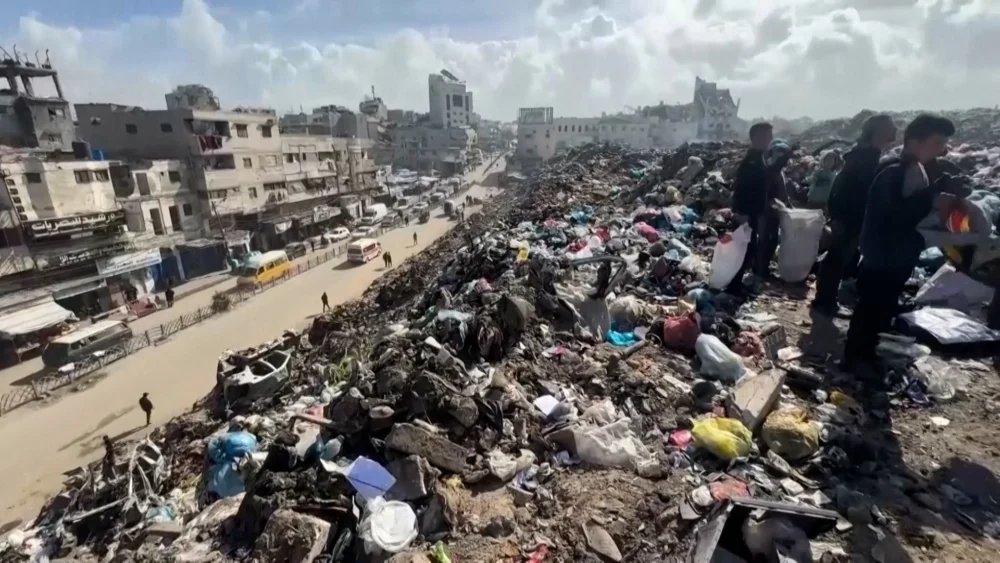
The United Nations Development Programme (UNDP) has launched a critical operation to clear a vast and hazardous wartime waste dump in Gaza City, a site that has accumulated immense quantities of refuse due to the severe disruption of access to the territory’s primary landfill during a prolonged period of conflict. This ambitious undertaking is designed to mitigate significant health and environmental perils that imperil the lives and well-being of nearly two million Palestinian residents. The operation, initiated on February 12, 2026, marks a crucial step towards addressing a crisis that has festered for months, posing an escalating threat to the densely populated urban environment.
Gaza’s Growing Waste Crisis: A Looming Health and Environmental Catastrophe
The sheer scale of the waste accumulation in Gaza represents a stark and urgent humanitarian challenge. For months, the ongoing conflict and its attendant disruptions have rendered the territory’s main waste management facilities largely inaccessible, forcing residents to resort to makeshift disposal sites. This has led to the rapid formation of enormous, unmanaged waste heaps, transforming swathes of land into toxic zones. These dumps are not merely unsightly; they are breeding grounds for disease, contaminating the air, soil, and limited water resources.
The Genesis of the Dump: Conflict and Disruption
The origins of this massive wartime waste dump are directly linked to the intense hostilities that have plagued the Gaza Strip. During periods of heightened conflict, critical infrastructure, including access routes to established landfills, became impassable or were destroyed. This operational paralysis left municipal authorities and residents with few viable options for waste disposal. Consequently, refuse began to accumulate in unofficial sites, escalating over time into mountains of garbage that now present a formidable environmental and public health crisis.
The reliance on ad-hoc disposal methods has had a cascading effect. Open burning of waste, a common practice when formal disposal is impossible, releases toxic fumes into the atmosphere, exacerbating respiratory illnesses and contributing to air pollution. Leachate from the decomposing waste seeps into the ground, threatening the fragile groundwater reserves that are already under immense strain in Gaza. This contamination poses a long-term risk to drinking water sources and agricultural land.
UN Intervention: A Race Against Time to Mitigate Risks
The UNDP’s intervention signifies a recognition of the dire situation and a commitment to addressing the immediate and long-term consequences of the unmanaged waste. The clearing operation involves the systematic removal, sorting, and safe disposal of the accumulated refuse. This complex process requires specialized equipment, trained personnel, and a carefully coordinated logistical plan to ensure that the waste is handled in an environmentally sound manner.
The immediate objectives of the clearing effort are multifaceted. Firstly, it aims to remove the physical blight and reduce the immediate risk of disease transmission. Secondly, it seeks to prevent further environmental degradation by containing and properly processing the hazardous materials present in the waste. This includes separating recyclable materials, treating organic waste where possible, and ensuring that non-recyclable and hazardous components are disposed of in designated, secure facilities.
Operational Challenges and Methodologies
Executing such a large-scale waste clearance operation in a densely populated and resource-constrained environment like Gaza presents significant logistical and operational hurdles. The UNDP, in collaboration with local authorities and international partners, is employing a phased approach. This involves:
- Site Assessment and Prioritization: Identifying the most critical areas of the dump requiring immediate attention based on proximity to residential areas and potential for environmental contamination.
- Equipment Deployment: Bringing in necessary heavy machinery, including excavators, bulldozers, and specialized transport vehicles, which are often in short supply in the territory.
- Waste Segregation and Processing: Implementing systems for separating different types of waste, such as plastics, metals, organic matter, and hazardous materials. This allows for potential recycling and ensures that hazardous components are managed appropriately.
- Safe Disposal: Establishing or utilizing designated sites for the final disposal of non-recyclable waste, adhering to international environmental standards.
- Community Engagement: Working with local communities to ensure their safety during the clearing operations and to educate them on proper waste management practices moving forward.
The scale of the task is immense, with estimates suggesting hundreds of thousands of tons of waste need to be removed. The operation is expected to take several months to complete, depending on the volume of waste and unforeseen challenges.
Broader Implications: Health, Environment, and Reconstruction
The successful clearing of this massive wartime waste dump has far-reaching implications beyond the immediate removal of refuse. It is a critical component of broader efforts to restore essential services and promote public health in Gaza. The long-term consequences of unmanaged waste can be devastating, contributing to chronic health issues, hindering economic recovery, and complicating future reconstruction efforts.
Public Health Imperatives
The presence of large, uncontained waste sites creates ideal conditions for the proliferation of disease vectors such as rodents and insects, which can transmit serious illnesses. Respiratory problems, skin infections, and gastrointestinal diseases are among the most immediate health risks exacerbated by such conditions. Children, the elderly, and individuals with pre-existing health conditions are particularly vulnerable. By clearing the dump, the UNDP is directly addressing these public health imperatives, aiming to create a safer and healthier environment for the population.
The psychological impact of living in close proximity to such a hazardous and unsightly environment also cannot be overlooked. The clearing of the dump can contribute to a sense of improved living conditions and a reduction in daily stress for residents.
Environmental Remediation and Sustainability
Beyond the immediate health benefits, the operation is a crucial step in environmental remediation. The contamination of soil and water resources from leachate poses a significant long-term threat to the fragile ecosystem of Gaza. Proper waste management practices, including recycling and safe disposal, are essential for preventing further environmental damage and for laying the groundwork for sustainable development in the future.
The UNDP’s involvement also highlights the need for robust, long-term waste management strategies in Gaza. This includes investing in permanent infrastructure, improving collection systems, and promoting public awareness campaigns on waste reduction and recycling. The current crisis underscores the vulnerability of the territory’s waste management systems to conflict and external disruptions.
The Road to Recovery and Reconstruction
The clearance of this hazardous site is intrinsically linked to the broader process of recovery and reconstruction in Gaza. Unaddressed environmental hazards can impede economic activity, deter investment, and complicate the rebuilding of damaged infrastructure. A cleaner and healthier environment is a prerequisite for a stable and prosperous future.
The operation serves as a reminder of the interconnectedness of security, humanitarian aid, and sustainable development. Addressing the immediate humanitarian crisis, such as the waste dump, is a vital precursor to long-term stability and rebuilding efforts. The presence of such sites can also serve as a barrier to the return of displaced populations to their homes, impacting the social fabric of the community.
Reactions and Future Outlook
The commencement of the clearing operation has been met with a mixture of relief and anticipation from the residents of Gaza. Many have expressed hope that this intervention will alleviate the immediate health risks and improve their living conditions. Local community leaders and health officials have consistently highlighted the urgency of the situation, emphasizing the need for sustained international support.
The long-term success of waste management in Gaza will depend on several factors, including continued funding for such operations, the development of resilient infrastructure, and the implementation of comprehensive waste management policies. International organizations, including the UNDP, are calling for greater investment in sustainable waste management solutions for the territory, recognizing that this is not a one-off challenge but an ongoing need.
The clearing of the massive wartime waste dump in Gaza City represents a significant humanitarian undertaking. It is a testament to the critical role of international organizations in responding to crises and mitigating their devastating consequences. The operation’s success will not only address an immediate health and environmental emergency but will also contribute to the broader aspirations of the Palestinian people for a healthier, safer, and more sustainable future. The lessons learned from this crisis will undoubtedly inform future strategies for disaster preparedness and response in conflict-affected regions. The ongoing efforts underscore the complex interplay between conflict, environmental degradation, and human well-being, highlighting the persistent need for proactive and comprehensive solutions.