Basque cinema is poised to achieve unprecedented national recognition at the 40th Goya Awards, Spain’s most prestigious film accolades, with the region’s talent securing a record 45 nominations for the upcoming ceremony. This surge in nominations, a significant leap from 25 the previous year, underscores a burgeoning renaissance in Basque filmmaking, marking a pivotal "Goyas Moment" that signals its growing influence on the global stage.
Spain’s Cinematic Crown Jewel: The Goya Awards
Often likened to the Academy Awards in the United States, the Goya Awards represent the pinnacle of achievement in Spanish cinema. Presented annually by the Academia de las Artes y las Ciencias Cinematográficas de España (Spain’s Academy of Cinematographic Arts and Sciences), the Goyas celebrate excellence across a wide spectrum of film disciplines. Over the decades, the awards have honored an illustrious roster of Spanish-speaking cinematic giants whose work has transcended borders, including celebrated directors like Pedro Almodóvar and Guillermo del Toro, and acclaimed actors such as Javier Bardem, Penélope Cruz, and Antonio Banderas. Many of these luminaries have proudly accepted Goya statues, with Bardem holding the distinction for the most acting Goyas ever received, affirming the awards’ profound significance within the Spanish-speaking film community. The 40th Goya Awards ceremony, scheduled for February 28 at the Auditori Fòrum in Barcelona, is set to be a star-studded affair, with legendary American actress Susan Sarandon slated to receive this year’s International Goya Award, further elevating the event’s global profile.
A Decade of Ascent: The Basque Film Renaissance
The remarkable showing of Basque cinema at the 2026 Goyas is not an overnight phenomenon but the culmination of years of dedicated effort and strategic investment. This sustained commitment has fostered a robust and dynamic film ecosystem within the Basque Country, a distinct cultural and linguistic region in northern Spain. Public institutions, including the Basque government’s culture department and its public broadcaster, ETB, have played a crucial role in nurturing local talent and productions. Furthermore, the influential San Sebastian International Film Festival, one of Europe’s most esteemed cinematic events, has consistently championed Basque films, providing a vital platform for emerging and established filmmakers from the region.
Iván Miñambres, a Goya Award-nominated producer, attributes this decade-long boom in Basque cinema to a "very healthy combination of institutional support, a strong professional ecosystem, and a generation of creators with very clear, distinctive voices." He notes that the Basque Country is increasingly recognized internationally as an attractive and capable hub for film production, known for developing high-quality projects deeply rooted in the territory’s unique identity. This concerted effort has transformed the region into a magnet for creative talent and capital.
Strategic Investment and Creative Ecosystem

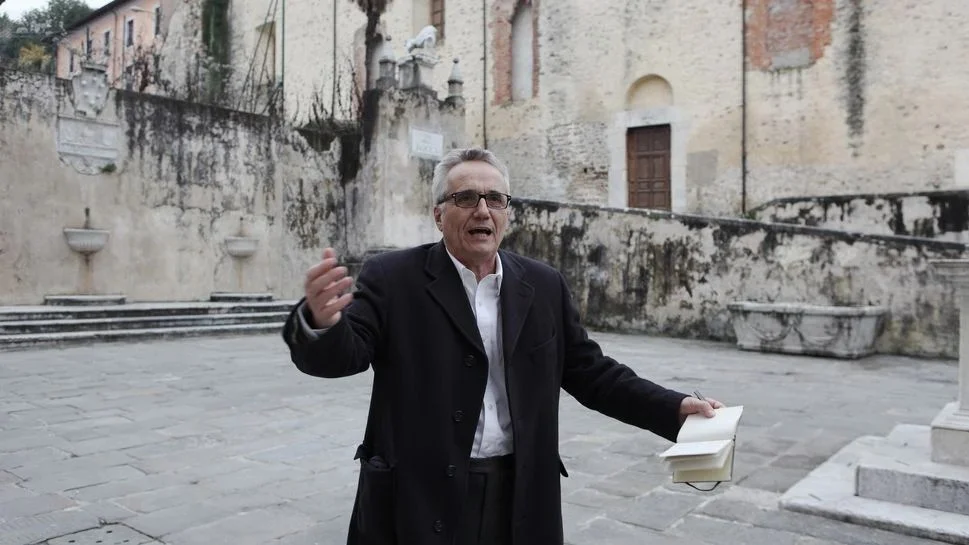
A cornerstone of the Basque Country’s cinematic success is its competitive financial incentive program. The region offers a substantial 60 percent rebate on production costs, a figure that rises to an impressive 70 percent for films shot in Euskera, the ancient and distinct Basque language. This generous incentive not only encourages local filmmakers to produce within the region but also effectively lures international productions. High-profile projects, such as Catherine Zeta-Jones’ revenge thriller Hey Jackie and Nanni Moretti’s upcoming film It Will Happen Tonight, have recently chosen northern Spain as their filming location, underscoring the region’s growing appeal to global stars and major studios.
Beyond live-action features, the Basque government and public television have strategically identified animation as a priority discipline. Miñambres emphasizes that animation is recognized "not seen solely as a cultural expression, but also as an industry," given its capacity for long-term projects involving a large workforce of highly trained young professionals. The region provides comprehensive grants for development, production, and internationalization, alongside a robust support network that offers long-term project accompaniment. This holistic approach empowers filmmakers to embrace creative risks and realize ambitious projects that might otherwise be financially prohibitive.
Driving much of this strategic promotion is Mar Izquierdo, who leads Zineuskadi, an organization dedicated to advancing the Basque audiovisual sector. Zineuskadi actively partners with production entities across the region and collaborates with the Basque government to facilitate co-productions, secure distribution and sales deals, and ensure Basque films gain coveted slots at major international film festivals such as Berlin, Cannes, and Venice. Izquierdo highlights the profound impact of this support on creative freedom, stating that filmmakers are now able to "dream and actually do the movie that they wrote," unconstrained by the budget limitations that once forced them to adjust their artistic visions. This newfound liberty is fostering a climate of innovation and artistic daring within Basque cinema.
The Soul of Basque Storytelling: Distinctive Voices Emerge
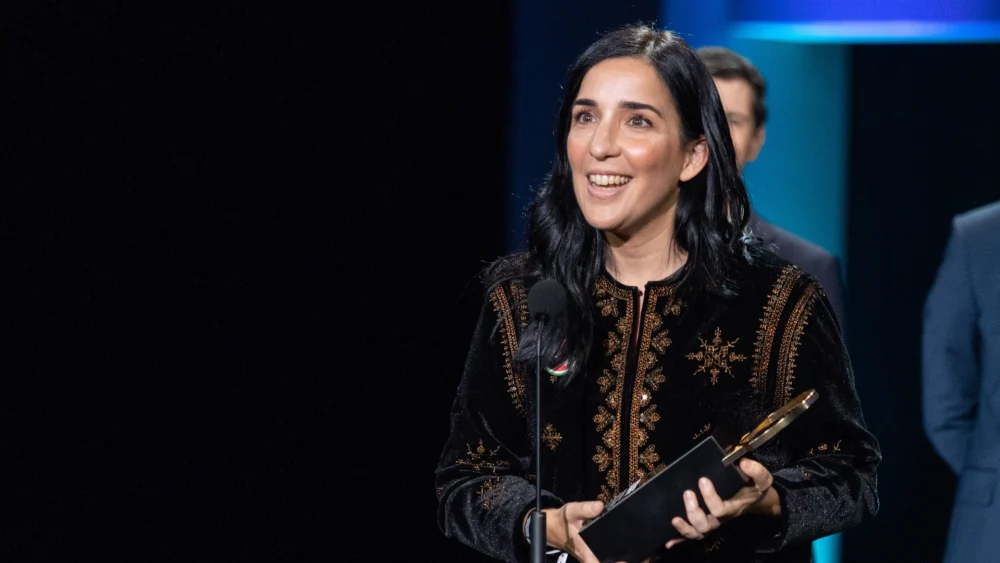
The current Goya nominations spotlight a rich tapestry of Basque storytelling. Among the most buzzed-about films is Alauda Ruiz De Azúa’s Sundays (Los Domingos), a Basque-language feature that has garnered an astounding 13 Goya nominations—the most of any film this year, including non-Basque productions. The film, which follows a 17-year-old girl’s declaration to her family of her intent to become a cloistered nun, also won the prestigious Golden Shell at the San Sebastian Film Festival. Sundays is a contender for Best Picture, with Ruiz de Azúa nominated for Best Director. She expresses the particular significance of this recognition from peers, who understand "how hard it is to build a movie, to defend a movie, to promote a movie."
Other notable nominees include Jose Mari Goenaga and Aitor Arregi’s drama Maspalomas, also competing for Best Picture, and Iván Miñambres’ animated black comedy-drama Decorado. Producer Ander Sagardoy, whose films Maspalomas, Gaua, and La Misteriosa Mirada Del Flamenco collectively amassed 13 Goya nominations, describes 2025 as "an exceptional year" for the industry. His nominated projects, which include a story about a closeted elderly man, a witch-hunting fantasy, and a drama set in a Chilean mining town amidst an AIDS-like epidemic, exemplify the "quite radical movies" that Basque filmmakers are now able to bring to life.
When discussing the distinctive essence of Basque storytelling, Ruiz de Azúa praises the diversity and "soul" evident in her fellow nominees’ work. She notes a particular inclination towards "emotional intimacy" rather than overt emotional expression. Miñambres echoes this sentiment, characterizing Basque filmmaking as a pursuit "that doesn’t usually aim for spectacle, but rather for deep emotion." This approach, he explains, allows for personal, bold, and sometimes uncomfortable narratives that genuinely connect with audiences and leave a lasting impression.
Euskera on the Global Stage

The increased focus on films produced in Euskera holds significant cultural weight, reinforcing the unique identity and linguistic heritage of the Basque people. Sundays, being a prominent Basque-language feature with widespread critical acclaim and box office success, serves as a powerful testament to the viability and artistic merit of telling stories in Euskera. This not only promotes the language but also offers global audiences a deeper insight into Basque culture.
Ruiz de Azúa points out that while the region has long possessed immense talent, recent investments in studios, technology, and expanding crew numbers have substantially strengthened Basque cinema’s capabilities. Crucially, the concerted effort to showcase these films internationally has broadened their reach. She cites her 2022 directorial debut, Lullaby, premiering at the Berlinale, and Maspalomas‘ screenings at festivals in Palm Springs, Dublin, London, São Paulo, and Greece, as examples of "the first generation [to] travel abroad with our cinema." This international exposure is vital for establishing Basque cinema as a distinct and respected voice within the global film landscape.
Economic Impact and Future Trajectory
The robust health of the Basque audiovisual industry extends beyond artistic accolades, generating significant economic benefits for the region. The influx of production companies, both from other parts of Spain and from foreign countries, choosing to shoot in the Basque Country speaks volumes about its competitive advantages and infrastructure. Producer Ander Sagardoy emphasizes the importance of differentiating between "Basque productions"—films made in the region, regardless of language or origin of the production company—and "Basque-language films," which specifically highlight the Euskera tongue. This distinction underscores the region’s dual appeal as both a production hub and a cultural incubator.
Despite the industry’s crowded nature and the perpetual need for sustained investment, Sagardoy remains optimistic about its future. He acknowledges a natural cynicism often found within the film industry but cannot deny the current strength of Basque cinema. He stresses that while films are not solely defined by nominations or awards, the industry’s operational realities mean that such recognition is critical. "It’s important to continue believing in ourselves," he states, "but also convincing to the rest [of the world] that it is worth it to invest in these types of movies."
Beyond the Awards: A Lasting Legacy
The Goya nominations serve as a powerful validator, attracting further investment and fostering continued growth for the Basque film sector. Alauda Ruiz De Azúa’s Sundays has already demonstrated commercial success in Spain, grossing a healthy $4.6 million at the box office. For her, a Goya Award nomination is, as the Basque saying goes, tartaren gaineko gerezia—the icing on the cake. The excitement is palpable, with Ruiz de Azúa grinning at the prospect of Susan Sarandon attending "our Spanish Oscars."
This moment for Basque cinema transcends mere awards; it represents the triumph of cultural preservation, strategic vision, and artistic courage. The unique blend of institutional foresight, a burgeoning professional ecosystem, and a distinct storytelling sensibility positions Basque filmmakers not just as contenders in Spain but as significant contributors to the diverse tapestry of world cinema. The 40th Goya Awards will undoubtedly mark a celebrated milestone, but it also heralds a promising future where Basque narratives, steeped in emotional intimacy and bold creativity, continue to captivate audiences worldwide and inspire a new generation of filmmakers.