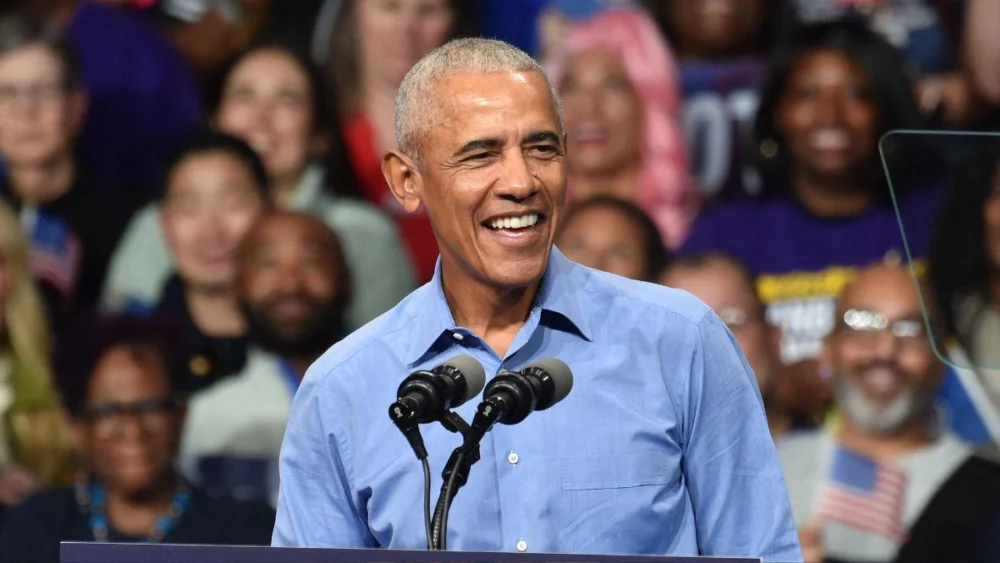
Former President Barack Obama has publicly condemned a controversial video shared by Donald Trump depicting him and his wife, Michelle Obama, as apes, labeling the behavior as "deeply troubling" and part of a "clown show" eroding political decorum. Obama’s remarks, made in an interview on February 15, 2026, mark his first direct address regarding the widely criticized social media post that sparked significant outrage and renewed debate over racialized rhetoric in American politics.
Obama Addresses the Erosion of Decency
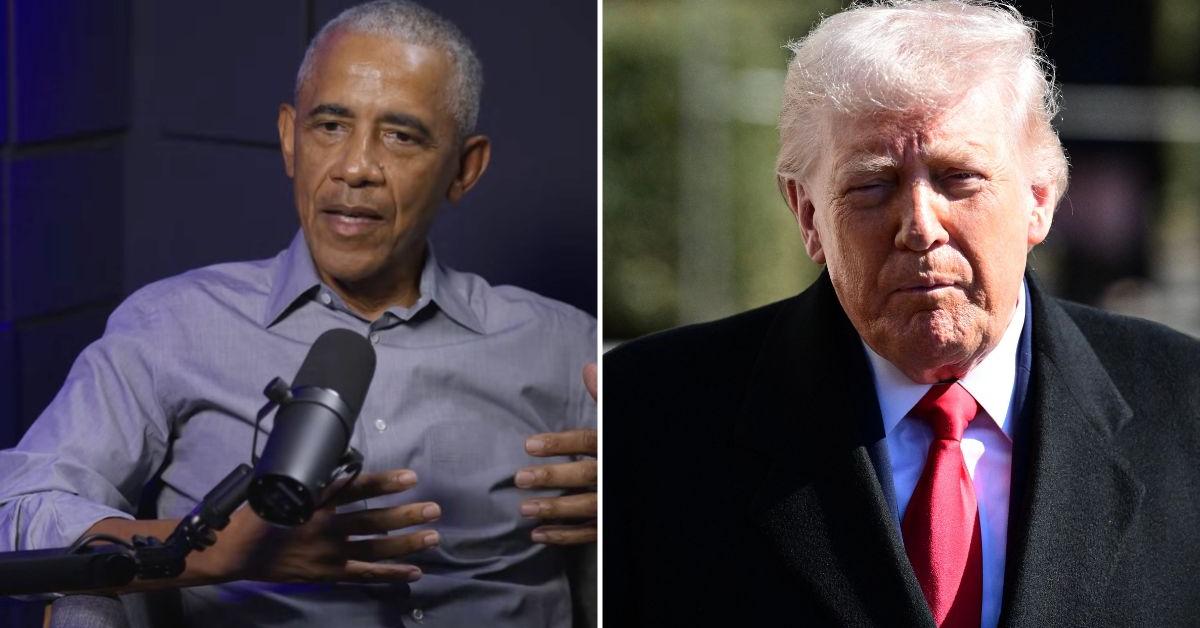
Speaking with interviewer Brian Tyler Cohen, former President Obama articulated his concern over the divisive nature of contemporary political discourse. He emphasized that while such actions garner attention and create distractions, a majority of Americans still value fundamental principles of civility. "It’s important to recognize that the majority of the American people find this behavior deeply troubling," Obama stated, reflecting on his observations during travels across the country. He noted a persistent belief in "decency, courtesy, kindness" among the populace, contrasting it sharply with the political climate fueled by provocative social media content.
Obama further lamented the apparent loss of shame among public figures who once adhered to standards of "decorum and the sense of propriety and respect for the office." His comments underscore a growing concern among many about the escalating use of inflammatory and often offensive imagery in political campaigns and communications, particularly on digital platforms. The former president suggested that the spectacle, which he referred to as a "clown show," detracts from substantive issues and undermines the dignity of public service.
The Controversial Post and Its Swift Deletion
The video in question was initially shared on Donald Trump’s Truth Social account on February 5, 2026. The clip controversially featured animated depictions of Barack and Michelle Obama as apes, set against the backdrop of the song "The Lion Sleeps Tonight." This imagery immediately drew widespread condemnation for its overtly racist connotations, invoking a long and painful history of dehumanizing caricatures used against Black individuals.
Following intense public backlash and widespread criticism across social media and traditional news outlets, the video was deleted from Trump’s platform within hours of its posting. The rapid removal, however, did little to quell the indignation, as screenshots and recordings of the offensive content had already circulated widely, amplifying the controversy and prompting calls for accountability from Trump and his campaign.
Trump’s Refusal to Apologize for Racist Ape Video
Despite the outcry, Donald Trump, then 79, steadfastly refused to apologize for the post when questioned by reporters aboard Air Force One. He dismissed the controversy, stating, "No, I didn’t make a mistake." Trump attempted to rationalize the video, claiming he had only viewed "the beginning of it" and found it "fine." He suggested the video was intended as a "take off on The Lion King," implying that the racialized imagery was an unintentional inclusion or misinterpretation.

Trump further asserted that "Nobody knew that that was in the end. If they would have seen it and probably they would have had the sense to take it down." This explanation shifted responsibility away from himself, attributing the post to a lack of complete oversight rather than intentional malice or negligence. His unwavering stance and denial of culpability only intensified the criticism from various quarters, including civil rights advocates and political opponents.
White House Response and Staffer Defense
In the wake of the controversy, the White House issued a statement claiming that a government "staffer erroneously made the post." This explanation aimed to deflect direct responsibility from Donald Trump himself. Adding to this defense, then-WH Press Secretary Karoline Leavitt publicly defended Trump, urging people to "stop the fake outrage." Leavitt characterized the post as being "from an internet meme video depicting President Trump as the King of the Jungle and Democrats as characters from The Lion King."
This framing by Trump’s press secretary sought to normalize the content, presenting it as a satirical political meme rather than a racially charged attack. However, critics widely rejected this explanation, pointing to the specific and historically offensive nature of depicting Black individuals as apes, a trope deeply rooted in racist ideologies. The attempt to downplay the incident further fueled accusations of insensitivity and a disregard for the impact of such imagery.
Historical Context of Racialized Imagery

The use of ape imagery to denigrate Black individuals has a long and deeply disturbing history, particularly in the United States. From minstrel shows to propaganda cartoons, depicting Black people as simians has been a pervasive tool of dehumanization, serving to justify slavery, segregation, and systemic racism. This type of imagery aims to strip individuals of their humanity, reducing them to primal, unintelligent beings unworthy of equal rights or respect.
Given this historical context, the video targeting Barack and Michelle Obama, the first Black president and first lady, resonated with profound racial undertones. Critics argued that regardless of intent, the imagery invoked this painful history, making Trump’s claims of it being an innocuous "Lion King" parody difficult to accept. The incident highlighted how seemingly casual online content can tap into deeply ingrained prejudices and perpetuate harmful stereotypes.
Broader Implications for Political Discourse and Digital Platforms
The controversy surrounding Trump’s racist ape video extends beyond the immediate incident, raising significant questions about the state of political discourse and the responsibilities of digital platforms. Social media has become a primary battleground for political messaging, often enabling the rapid spread of inflammatory content, misinformation, and hate speech. Platforms like Truth Social, owned by Trump, face particular scrutiny regarding their content moderation policies and commitment to combating harmful rhetoric.
The incident underscores the ongoing tension between free speech principles and the need to prevent the dissemination of hate speech and incitement. Political analysts noted that such posts contribute to an increasingly polarized environment, where personal attacks and divisive imagery often overshadow policy debates. The erosion of political decorum, as observed by Obama, threatens to normalize extreme rhetoric, making it harder for constructive dialogue and compromise to occur across the political spectrum.
Public and Political Reactions and Consequences
The immediate aftermath of the video’s posting saw a wave of condemnation from civil rights organizations, Democratic leaders, and numerous public commentators. Many expressed outrage at the blatant racism, calling for stronger accountability for political figures who engage in such behavior. Governor Gavin Newsom of California notably "trolled" Donald Trump over the incident, using social media to mock Trump’s defense of blaming staff. Newsom posted a satirical image depicting an autopen "writing" on Trump’s Truth Social account, satirically suggesting that Trump doesn’t write his own tweets and implying a lack of genuine oversight.
While some conservative media outlets and Trump supporters echoed the "Lion King" parody defense or dismissed the criticism as "fake outrage," the broader consensus, particularly from mainstream media and civil society groups, was one of profound concern. The incident served as a stark reminder of the persistent challenges of racial prejudice in American society and the role that political leaders play in either fostering unity or exacerbating division through their public communications. The lingering impact of such controversies continues to shape perceptions of leadership and influence the broader political landscape, particularly as future electoral cycles approach.