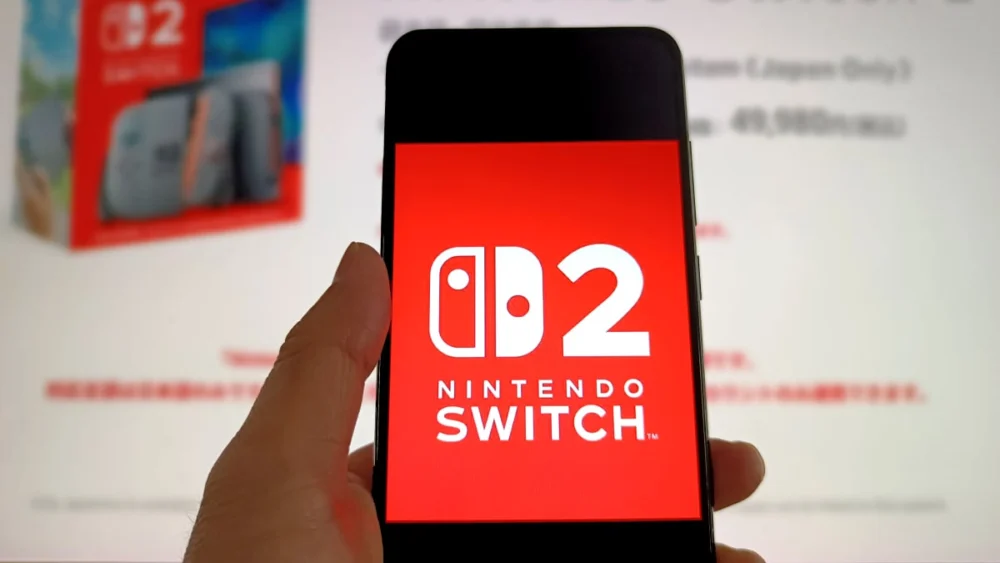
The global semiconductor market is facing a transformative shift as the explosive demand for artificial intelligence infrastructure begins to cannibalize the supply of essential components for the video game industry. This pivot in manufacturing priorities is reportedly forcing major hardware manufacturers to reconsider their long-term strategies, with the upcoming Nintendo Switch 2 price and the PlayStation 6 release date now hanging in the balance. Industry analysts and supply chain experts indicate that the premium currently placed on high-bandwidth memory (HBM) and next-generation RAM modules is creating a bottleneck that could redefine the economics of the next console generation.
As tech giants like Nvidia, Microsoft, and Google scramble to secure memory for their massive AI data centers, the production lines that once catered to consumer electronics are being repurposed. For Sony and Nintendo, this means navigating a landscape where the cost of components is rising and the availability of the silicon required to power high-end gaming experiences is shrinking. This volatile market environment is already manifesting in internal delays and pricing discussions that could significantly impact the global gaming audience.
The Growing Influence of AI on the Memory Shortage
The root of the current instability lies in the rapid expansion of generative artificial intelligence, which requires an unprecedented amount of memory to process complex datasets. Leading memory manufacturers, including Micron, Samsung, and SK Hynix, have shifted their focus toward producing High Bandwidth Memory (HBM3 and HBM3E) and high-density DDR5 modules. These components offer significantly higher profit margins than the standard GDDR6 or LPDDR5 modules typically found in gaming consoles and handheld devices.
This shift has created a cascading effect throughout the electronics supply chain. When production lines are dedicated to AI-specific hardware, the capacity for consumer-grade memory decreases. For the gaming industry, which relies on affordable yet high-performance RAM to keep console prices within reach of the average household, this supply-demand imbalance is particularly damaging. The resulting memory shortage is not merely a temporary glitch but a structural shift in how silicon is allocated globally.
Nintendo and the Impending Switch 2 Price Hike
Nintendo is currently at a critical juncture as it prepares to follow up on its immensely successful Switch console. While the company has remained tight-lipped regarding the specifics of its next-generation hardware, internal discussions reportedly suggest that the Switch 2 price may be higher than originally anticipated. For years, Nintendo has thrived by offering hardware that is both innovative and affordable, often sitting at a lower price point than its competitors at Sony and Microsoft.
However, the rising cost of memory modules—essential for the improved graphical fidelity and processing power expected from the Switch 2—is making a $299 or $349 price point increasingly difficult to maintain. If the cost of LPDDR5X RAM continues to climb due to the memory shortage, Nintendo may be forced to pass those costs on to the consumer. This would mark a significant departure for a company that has traditionally avoided the high-entry-price model.
Earlier rumors suggested that potential trade tariffs could drive up the cost of the Switch 2, though those specific concerns have yet to materialize in a tangible way. Instead, it is the raw cost of goods, specifically memory and flash storage, that is now the primary driver of pricing anxiety. A higher launch price for the Switch 2 could test the loyalty of the Nintendo fan base and impact the console’s initial adoption rate in a market already strained by inflation.
Sony Navigates a Delayed PS6 Release Schedule
While Nintendo faces immediate pricing pressures, Sony is grappling with long-term hardware planning for its next flagship console. The PlayStation 6 release, which many industry insiders previously estimated for 2027, is now reportedly being pushed back to 2028 or even 2029. This adjustment is a direct consequence of the volatility in the chip market and the need to ensure that the console’s specifications remain competitive without becoming prohibitively expensive to manufacture.
The PlayStation 5 has already experienced a unique lifecycle, characterized by early supply chain disruptions and a mid-generation price increase in several global markets. By delaying the PS6 release, Sony may be attempting to avoid a repeat of the supply issues that plagued the PS5’s first two years. A later launch date allows the company more time to secure stable contracts for next-generation memory, such as GDDR7, which is expected to be a cornerstone of the PS6’s performance.
Furthermore, a delay in the PS6 release could give the recently rumored PlayStation 5 Pro more room to breathe in the market. If the base PS5 and the Pro model can sustain Sony’s ecosystem through 2028, the company can wait for the AI-induced memory shortage to stabilize before committing to a massive production run of its next-generation system. This conservative approach highlights the precarious nature of high-end hardware manufacturing in an era where gaming consoles must compete with AI servers for the same limited resources.
The Broader Impact of the Memory Shortage on Gaming Technology
The impact of the memory shortage extends beyond the two major Japanese console manufacturers. The entire PC gaming sector is also feeling the pressure, with GPU prices remaining sensitive to the cost of VRAM. As AI companies buy up memory stock at premium prices, the "gamer’s tax" continues to rise, making high-performance computing less accessible to the general public.
In the console space, memory is often the most expensive component after the custom System-on-Chip (SoC). Unlike processors, which can be optimized or shrunk through more advanced lithography, memory is a commodity subject to intense market fluctuations. When a memory shortage occurs, manufacturers have three choices: absorb the cost and reduce profit margins, increase the retail price, or delay the product until costs normalize. Sony and Nintendo appear to be exploring all these options as they navigate the current crisis.
Economic Consequences and Consumer Sentiment
The potential for a higher Switch 2 price and a delayed PS6 release comes at a time when consumer discretionary spending is under heavy scrutiny. In North America and Europe, persistent inflation has made the $70 price tag for software a point of contention among gamers. An additional increase in hardware costs could push the hobby out of reach for some families, potentially slowing the growth of the industry after years of record-breaking revenue.
Market analysts suggest that if the Switch 2 launches at a price point exceeding $399, it could face a slower start than its predecessor. The original Switch’s success was fueled by its versatility and its accessible price. For Sony, a PS6 release that moves closer to the end of the decade risks alienating hardcore fans who expect a consistent seven-year console cycle. However, the alternative—a launch marred by shortages and scalping—could be even more damaging to the brand’s reputation.
Strategic Shifts in Semiconductor Procurement
To mitigate the effects of the memory shortage, some tech companies are looking to diversify their supply chains and invest in localized manufacturing. The U.S. CHIPS and Science Act and similar initiatives in Japan and Europe are designed to reduce reliance on a handful of suppliers in East Asia. While these efforts are promising for long-term stability, they offer little immediate relief for the production of the Switch 2 or the planning of the PS6 release.
In the interim, Sony and Nintendo may look toward more aggressive procurement strategies. This could include signing long-term, fixed-price contracts with memory suppliers or even investing directly in production facilities to guarantee a steady stream of components. Such moves require significant capital and represent a high-stakes gamble on the future of the gaming market versus the continued growth of the AI sector.
Industry Outlook and the Path Forward
The convergence of the gaming and AI industries on the same supply chain has created a new set of challenges that neither Sony nor Nintendo could have fully predicted five years ago. The memory shortage serves as a reminder of how interconnected the modern tech ecosystem has become. While the demand for AI shows no signs of slowing down, the gaming industry must find a way to coexist with this new giant or risk being sidelined in the race for silicon.
As 2024 progresses, the industry will be watching for official announcements from both companies. Any confirmation of the Switch 2 price or a shift in the PS6 release timeline will be seen as a bellwether for the health of the broader consumer electronics market. For now, the narrative is one of caution and adaptation, as the world’s most iconic gaming brands wait for the volatility of the memory market to subside.
The next two years will be a defining period for interactive entertainment. Whether the industry can overcome the memory shortage through innovation or if it will be forced into a period of higher costs and longer wait times remains to be seen. What is clear, however, is that the era of cheap, readily available memory is currently on hiatus, and the "golden age" of gaming hardware is being reshaped by the silicon demands of the artificial intelligence revolution.