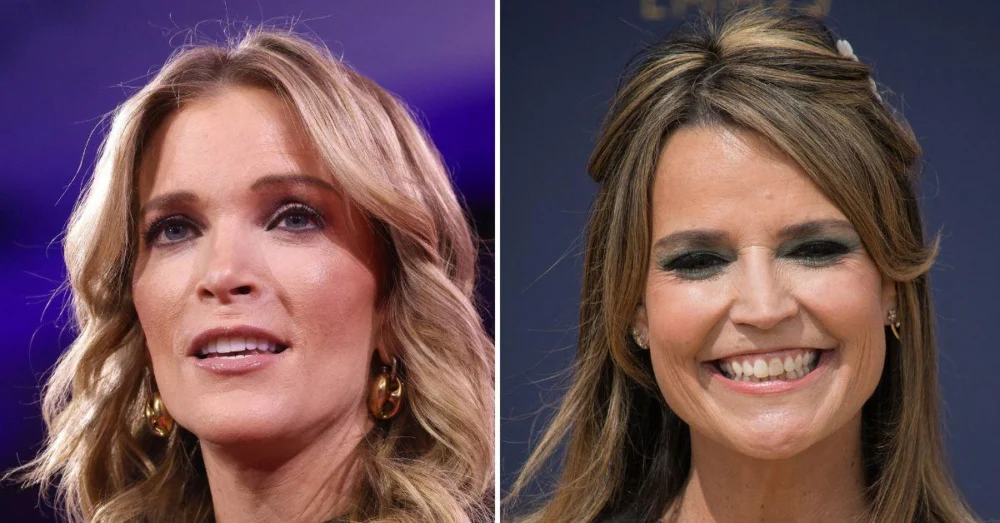
Megyn Kelly, the veteran broadcast journalist, has steadfastly defended her sustained focus on Tommaso Cioni, the brother-in-law of "Today" show co-anchor Savannah Guthrie, in connection with the ongoing disappearance of Guthrie’s 84-year-old mother, Nancy Guthrie. Kelly, during an appearance on Sky News Australia, asserted that it would be "completely inappropriate" for her not to scrutinize Cioni, who was reportedly the last person to see Nancy Guthrie before her vanishing. This comes despite law enforcement officials having cleared Cioni and the wider Guthrie family as suspects, leading to a heated public debate about journalistic ethics and the handling of missing persons cases with high-profile connections.
Background of the Disappearance
Nancy Guthrie, the mother of NBC’s Savannah Guthrie, was first reported missing nearly three weeks ago, sparking a widespread search and national concern. Details surrounding her disappearance remain scarce, with authorities revealing little beyond the initial reports. The case quickly drew significant media attention, not only due to the inherent tragedy of an elderly woman going missing but also because of her daughter’s prominent role in American television. The family has appealed for privacy and cooperation with law enforcement, while the community remains on edge, hoping for a safe return.
Tommaso Cioni’s Initial Involvement
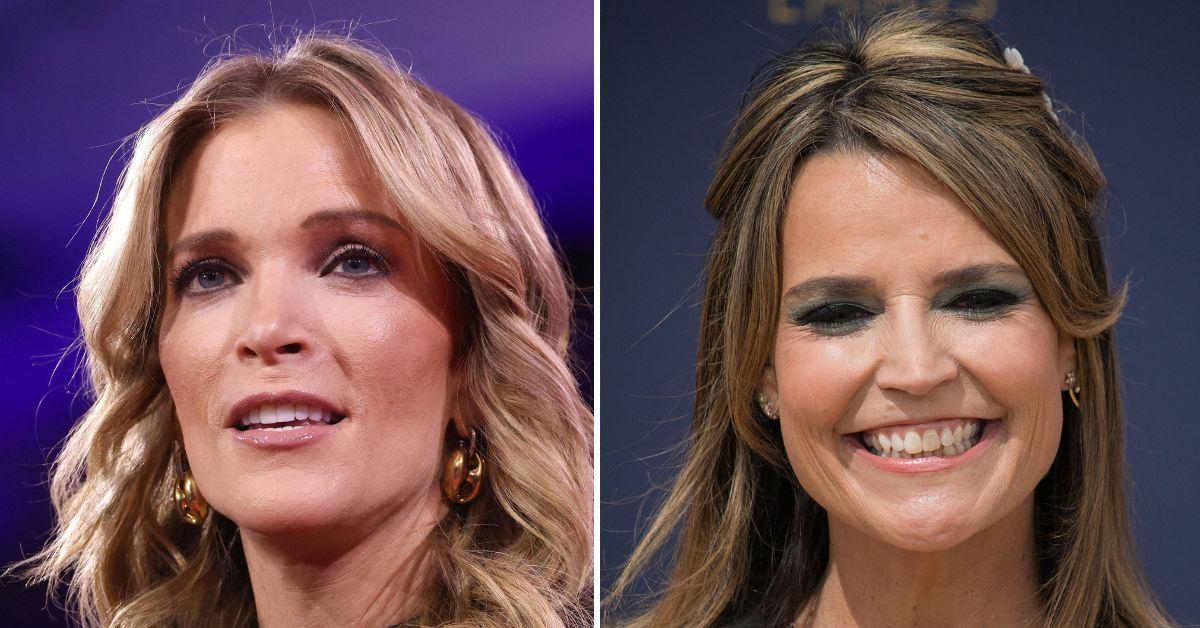
Tommaso Cioni, who is married to Nancy Guthrie’s daughter Annie Guthrie and thus Savannah Guthrie’s brother-in-law, became a focal point early in the media’s coverage. According to his own statements, he was the last known individual to see Nancy Guthrie. Cioni reported that he had Nancy at his house earlier on the evening she disappeared and subsequently dropped her off at her own residence at 9:48 p.m. that night. This detail naturally placed him within the initial scope of the investigation, as is standard procedure in many missing persons cases where the last known contact is typically interviewed extensively.
Law Enforcement Clears the Family
Despite the initial focus, local law enforcement, led by Sheriff Chris, publicly stated that Cioni and the entire Guthrie family had been cleared as suspects. Sheriff Chris emphasized their full cooperation with the investigation, describing them as "nothing but cooperative." He issued a plea to the media, urging "compassion and professionalism" and denouncing suggestions to the contrary as "not only wrong, it is cruel." His statement aimed to redirect public and media scrutiny away from the family and toward the actual search for Nancy Guthrie, underscoring that the Guthries are victims in this scenario.

Megyn Kelly’s Defense of Her Coverage
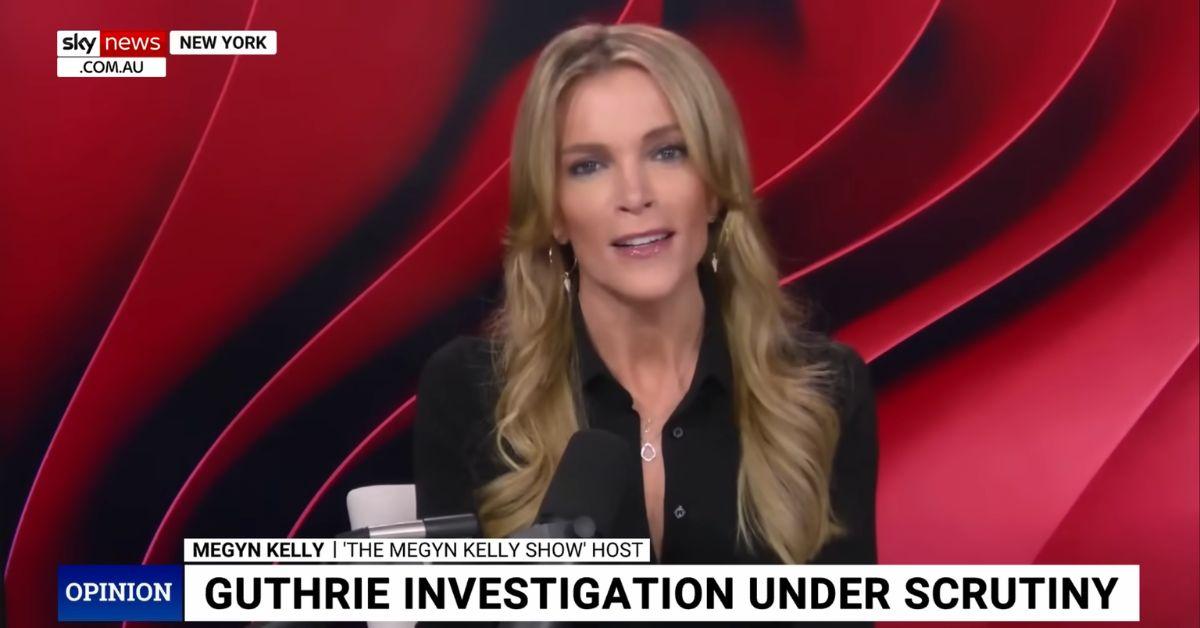
Megyn Kelly, however, has maintained that her continued focus on Tommaso Cioni is a legitimate and necessary aspect of her reporting. On Sky News Australia with host Paul Murray, Kelly reiterated her stance. "He was the last person to see Nancy Guthrie. I mean, you know that we know of. Obviously, an abductor came into the house later that night, but he was the person who had Nancy at his house earlier in the evening and said he dropped her back off at her house at 9:48 p.m. the night she disappeared. Obviously, we have to look at the brother-in-law," Kelly stated, doubling down on her perspective.
Kelly further elaborated on her rationale, suggesting that in missing persons cases, any attention, even if speculative, serves the ultimate goal of keeping the case in the public eye. "And by the way, Paul, if you, god forbid, had a family member go missing, or I, god forbid, had this happen to us, I think both of us would say, speculate all you want about me, about my family. As long as you continue paying attention to the case and keeping it in the headlines, I’m fine. That the whole game when you have a missing person is to keep it in the news. And if what keeps it in the news is speculation about a family member, so be it," she argued. This perspective highlights a tension between the need for sustained public awareness in unsolved cases and the potential for undue scrutiny or even defamation of individuals, especially when authorities have dismissed their involvement.
The Broader Implications of Media Scrutiny

The debate surrounding Megyn Kelly’s coverage of Savannah Guthrie’s brother-in-law touches upon fundamental questions within investigative journalism and media ethics. While it is standard practice for journalists to question and scrutinize details in ongoing investigations, particularly those involving high-profile individuals or their relatives, the line between legitimate inquiry and speculative reporting can become blurred. Kelly’s argument that "any attention" is beneficial for a missing person’s case is a viewpoint held by some, who believe that sustained media presence can generate leads or maintain pressure on law enforcement.
However, critics argue that once law enforcement has publicly cleared an individual, continued speculation, particularly from prominent media figures, risks unfairly damaging reputations, inflicting additional emotional distress on grieving families, and potentially diverting resources or attention from more fruitful investigative avenues. The role of media in shaping public perception in such delicate situations carries significant weight, and the balance between informing the public and respecting individual privacy and due process is constantly under review.
Law Enforcement’s Call for Compassion
Sheriff Chris’s impassioned defense of the Guthrie family resonated with many who believe that media outlets have a responsibility to act with empathy, particularly when families are enduring immense stress. Speaking to NBC News, Sheriff Chris articulated his motivation: "Sometimes we forget we’re human and we hurt and kindness matters. It is every cop’s duty to stand up and be that voice for our victims. I’m not going to sit in silence when others are attacking the innocent. Isn’t that what the badge represents?" His statement underscored a police perspective that prioritizes the welfare of victims and their families over potentially sensationalized media narratives.
This sentiment reflects a growing concern among law enforcement officials about the impact of unchecked media speculation on investigations and the individuals involved. While transparency and accountability are crucial, the principle of innocent until proven guilty, even in the court of public opinion, is often championed by authorities. The Sheriff’s public condemnation of media tactics is a stark reminder of the differing priorities and responsibilities between law enforcement agencies and news organizations during unfolding crises.
Further Media Commentary and Disagreement
Adding another layer to the complex media landscape surrounding the disappearance, former prosecutor and TV personality Nancy Grace also weighed in, though her criticism was directed elsewhere. Grace took aim at Sheriff Chris for his public statement suggesting the investigation into Nancy Guthrie’s disappearance "could take years" to solve. Grace lambasted this assessment, arguing it was demoralizing and inappropriate for the family and the investigative teams working tirelessly on the case.
"I know that Sheriff Nanos stated the case may take a year to solve. Why doesn’t he stop talking? That’s a big question right now. Does anybody know the answer to that? Do we need the FBI to take care of that, too? To tell a group of men and women who are going 24/7, 365, blood, sweat, tears, trying to find Nancy, it could take a year? What do you think that means to the family? She could be passed away in a year? She’s already 84. I don’t know why he’s stuck his other foot in his mouth," Nancy Grace stated, expressing her strong disapproval of the sheriff’s comments. This highlights that even within the realm of crime commentary, there are diverse opinions on how best to communicate about ongoing, sensitive cases, and what impact public statements from officials can have on the families and the perception of the investigation.
The Unresolved Case and Ongoing Search
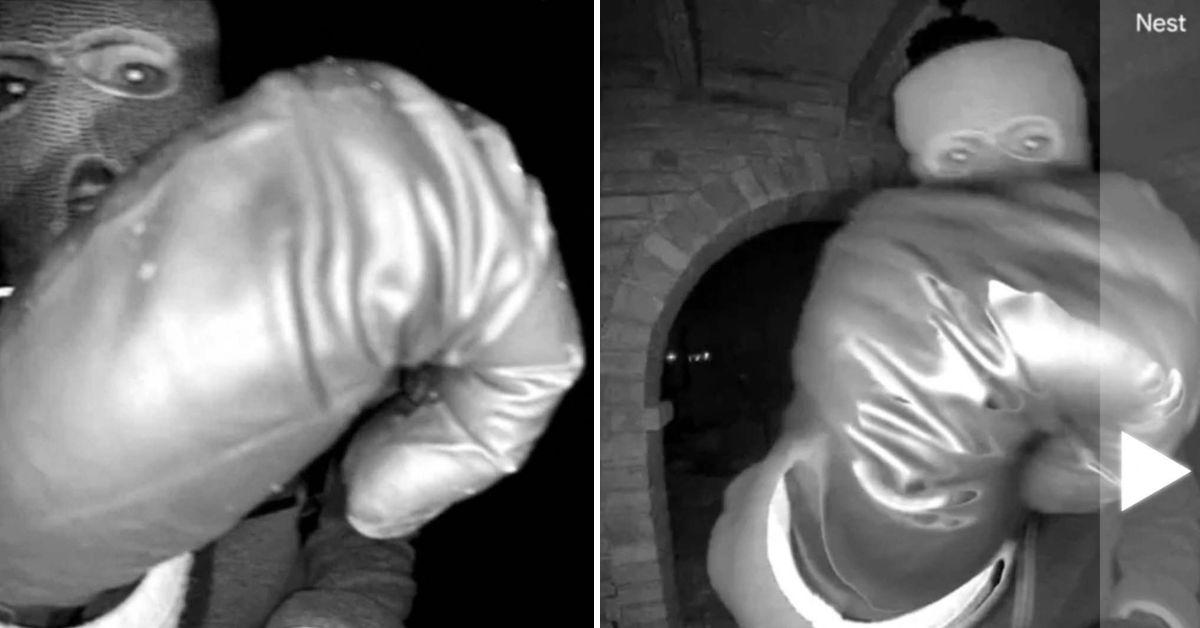
As the media debate continues, the fundamental tragedy of Nancy Guthrie’s disappearance remains unresolved. Her family, including Savannah Guthrie, continues to grapple with the uncertainty and distress of her absence. The case underscores the critical importance of balancing public information with investigative integrity and the well-being of those directly affected. The ongoing search for Nancy Guthrie persists, with law enforcement urging anyone with relevant information to come forward, hopeful that sustained, focused efforts will ultimately lead to her whereabouts. The media’s role in this, whether through direct reporting, analysis, or even contentious debate, will undoubtedly continue to influence public awareness and engagement in the search for the missing 84-year-old.