The World Food Programme (WFP) has issued a dire warning that life-saving emergency food and nutrition assistance in Somalia could cease by April, a catastrophic development that threatens to plunge millions into deeper levels of starvation due to a critical funding shortfall. The United Nations agency, the largest humanitarian organization operating in the East African nation, stated that without immediate financial intervention, its capacity to provide essential aid will be severely curtailed, exacerbating an already desperate humanitarian crisis.
Somalia Faces a Complex and Deepening Hunger Crisis
Somalia is currently grappling with one of the most intricate and severe hunger crises witnessed in recent memory, a situation meticulously detailed in a recent WFP report. This escalating crisis is a confluence of devastating factors, including two successive failed rainy seasons that decimated agricultural output, ongoing internal conflict that displaces populations and disrupts aid delivery, and a stark decline in the humanitarian funding desperately needed to combat these challenges. The country’s extreme vulnerability to climate shocks, a persistent issue for Somalia, has been starkly highlighted by the recurring cycles of devastating droughts and destructive floods that have ravaged its landscape and livelihoods.
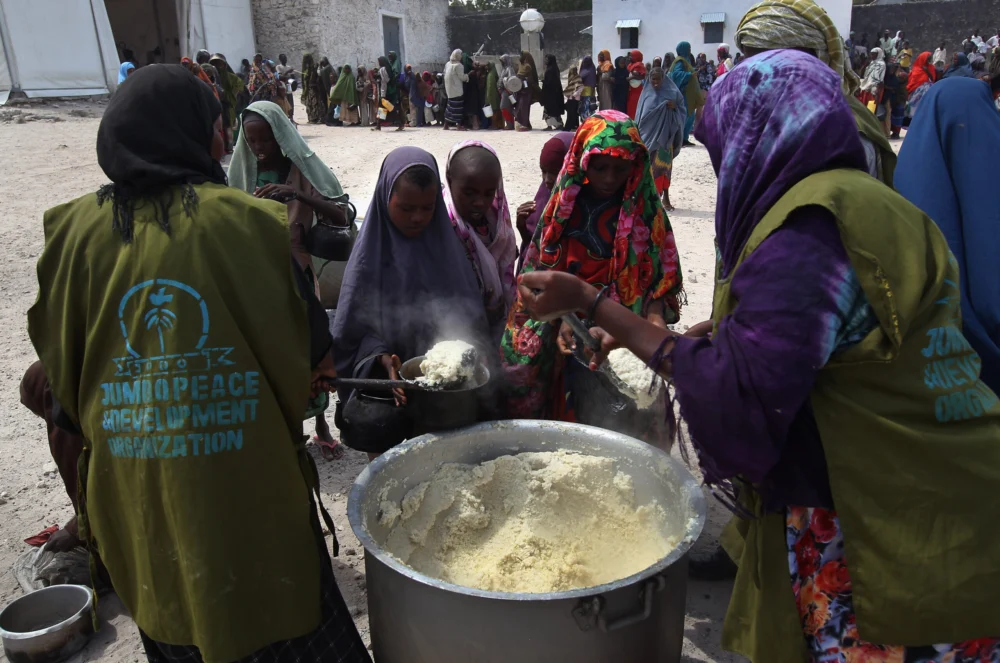
According to the WFP’s latest data, a staggering 4.4 million people, representing approximately one-quarter of Somalia’s total population, are currently experiencing crisis-level food insecurity or worse. This dire statistic includes nearly one million women, men, and children who are suffering from severe hunger, a condition that can have irreversible long-term health consequences, particularly for young children and pregnant or breastfeeding mothers. The precariousness of their situation is amplified by the looming prospect of aid cessation, which would leave these vulnerable individuals with no safety net.
A Critical Juncture: The Looming Threat of Aid Suspension
The WFP’s warning underscores a critical juncture for Somalia, where the humanitarian situation is deteriorating at an alarming pace. Ross Smith, WFP Director of Emergency Preparedness and Response, painted a grim picture of families who have lost their livelihoods and are now on the precipice of survival. "Families have lost everything, and many are already being pushed to the brink. Without immediate emergency food support, conditions will worsen quickly," Smith stated. He emphasized the urgency of the situation, describing it as "a cusp of a decisive moment," where inaction could mean failing to reach the most vulnerable populations in time.
The agency has already been compelled to make significant cuts to its operations due to the funding gap. Assistance that once reached 2.2 million people in early 2025 has been drastically reduced to approximately 600,000 individuals. This means that the WFP is now only able to support one in every seven people who require vital food assistance, a stark illustration of the immense unmet need. The impact on critical nutrition programs has been equally devastating. Support for nearly 400,000 pregnant and breastfeeding women and young children in October last year has been slashed to a mere 90,000 by December, leaving a vast number of mothers and infants without crucial nutritional supplements.
Broader Implications and Devastating Consequences
The potential halt of WFP’s emergency food aid carries profound humanitarian, security, and economic implications that extend far beyond Somalia’s borders. Smith cautioned that the consequences of such a cessation would be "devastating." The disruption of food assistance can fuel social unrest, exacerbate existing conflicts, and lead to mass displacement as people search for sustenance. A widespread famine could also create a refugee crisis, placing additional strain on neighboring countries and international aid organizations.
This latest warning from the WFP follows closely on the heels of a similar alarm raised by Doctors Without Borders (MSF) last month. MSF teams operating on the ground in Somalia have been observing a "worrying trend" of an increasing number of children suffering from preventable diseases. These include severe acute malnutrition, a condition that weakens the immune system and makes children highly susceptible to other illnesses, as well as measles, diphtheria, and acute watery diarrhea. The proliferation of these diseases is a direct consequence of widespread hunger and a weakened population, highlighting the interconnectedness of food insecurity and public health.
Underlying Drivers of Somalia’s Vulnerability
Somalia’s chronic vulnerability to food insecurity is deeply rooted in a complex interplay of factors, with climate change and persistent instability being primary culprits. The nation’s arid and semi-arid climate makes it highly susceptible to the vagaries of weather patterns. Decades of erratic rainfall, prolonged droughts, and more recently, intense flooding exacerbated by climate change, have crippled the agricultural sector, which is the backbone of the Somali economy and a primary source of livelihood for a significant portion of the population.
Compounding these environmental challenges is the protracted conflict and political instability that have plagued Somalia for decades. This has led to widespread displacement of communities, destroyed infrastructure, disrupted traditional farming and pastoralist practices, and hindered the development of resilient food systems. The ongoing violence also makes it exceedingly difficult for humanitarian organizations to access affected populations and deliver aid effectively, creating a perpetual cycle of crisis and dependency.
The Role of International Funding and Humanitarian Access
The critical shortage of funding for humanitarian operations in Somalia is a central theme in the WFP’s appeal. International donors, facing competing global crises and economic pressures, have reduced their contributions to protracted emergencies like the one in Somalia. This decline in financial support directly translates into reduced aid delivery capacity, forcing organizations to make agonizing decisions about who receives assistance and who does not. The WFP’s struggle highlights the ongoing challenge of sustaining long-term humanitarian commitments in a world with ever-increasing needs.
Furthermore, ensuring safe and unimpeded access for humanitarian workers to reach all populations in need remains a persistent challenge. Conflict, insecurity, and bureaucratic hurdles can significantly impede the timely delivery of essential supplies. Without consistent and broad access, even well-funded aid operations can fall short of their objectives, leaving vulnerable communities isolated and without support. The effectiveness of any aid program is therefore contingent on both adequate funding and the ability to reach those most in need, regardless of their location or the prevailing security situation.
Impact on Vulnerable Populations and Societal Fabric
The immediate impact of the potential cessation of WFP aid will be felt most acutely by the most vulnerable segments of the Somali population: children, women, the elderly, and displaced persons. For children, severe hunger can lead to irreversible stunting, cognitive impairment, and a heightened risk of mortality. Pregnant and breastfeeding women require adequate nutrition to ensure their own health and the healthy development of their infants, and a lack of this support can have multigenerational consequences.
Beyond the immediate humanitarian catastrophe, the ongoing food insecurity and potential for famine threaten to unravel the social fabric of Somalia. Increased desperation can fuel crime, recruitment into armed groups, and further displacement, creating a vicious cycle of instability. The long-term economic repercussions are also significant, as a malnourished population is less productive, hindering any prospects for recovery and development. The nation’s ability to build a stable and prosperous future is directly tied to its capacity to feed its people.
The Urgent Call for Action and Future Outlook
The WFP’s stark warning serves as an urgent call to action for the international community. Without a significant and immediate infusion of funds, the consequences for Somalia will be dire, potentially reversing years of progress in humanitarian assistance and development. Experts emphasize that a coordinated and sustained response is necessary, involving not only emergency food aid but also long-term investments in climate resilience, sustainable agriculture, and peacebuilding efforts.
The coming weeks are critical. Decisions made now by governments, international organizations, and private donors will determine whether Somalia can avert a further descent into catastrophic hunger or face a humanitarian crisis of unimaginable proportions. The world watches to see if the international community will rise to meet this urgent challenge and prevent a preventable tragedy from unfolding. The stakes are incredibly high, with millions of lives hanging in the balance.