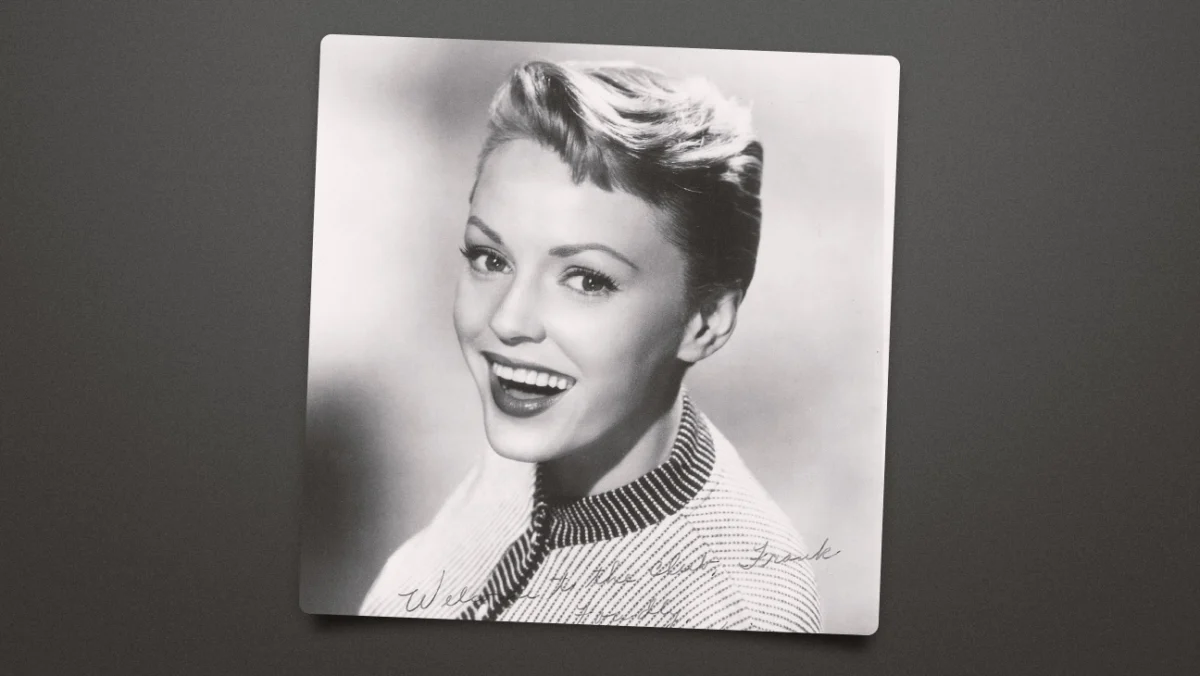
Lauren Chapin, the beloved child actress who captivated American audiences as the precocious youngest daughter Kathy "Kitten" Anderson on the iconic 1950s television series Father Knows Best, passed away on Tuesday, February 27, 2024, at the age of 80. Her son, Matthew, confirmed her death via a Facebook post, stating she had succumbed after a battle with cancer. Chapin’s life, marked by an early ascent to stardom, unfolded in stark contrast to the idyllic family she portrayed on screen, grappling with profound personal adversities that included childhood molestation, drug abuse, multiple incarcerations, and a series of devastating personal losses.
The Genesis of an American Icon: ‘Father Knows Best’
Born May 23, 1945, in Los Angeles, California, Lauren Chapin was not a stranger to the entertainment industry, coming from a family already entrenched in Hollywood. Her older brothers, Billy Chapin, known for The Night of the Hunter, and Michael Chapin, who appeared in It’s a Wonderful Life, were also child actors. Lauren Chapin’s own career began with early appearances, including a 1952 episode of CBS’s Lux Video Theatre and a role in the 1954 Judy Garland-led musical drama A Star Is Born. It was at the tender age of nine that she secured the role that would define her public persona: Kathy Anderson on Father Knows Best.
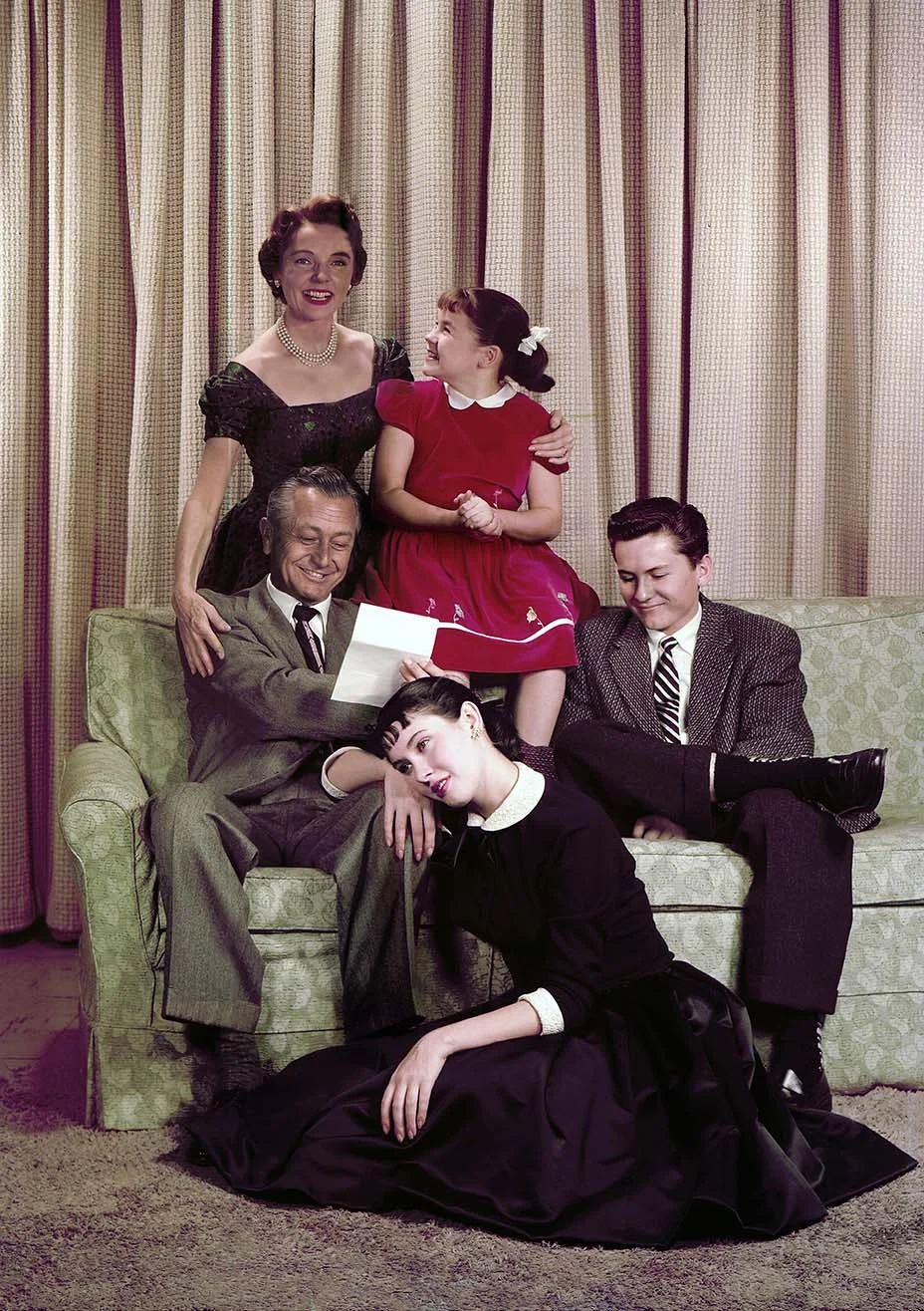
The narrative suggests that her resemblance to one of star Robert Young’s real-life daughters, also named Kathy, played a part in her casting, following Norma Jean Nilsson’s portrayal of the character in the preceding NBC Radio version. On screen, Chapin joined a cast that would become synonymous with the quintessential American family: Robert Young as the wise insurance salesman Jim Anderson, Jane Wyatt as the serene homemaker Margaret Anderson, Elinor Donahue as the eldest daughter Betty "Princess" Anderson, and Billy Gray as the mischievous son James "Bud" Anderson Jr.
Father Knows Best premiered in October 1954, running for six successful seasons until May 1960, with its broadcast journey spanning both CBS and NBC before enjoying years of primetime reruns on ABC and decades in syndication. The show painted a picture of domestic harmony, presenting a seemingly perfect suburban family navigating life’s minor challenges with humor, warmth, and unwavering parental guidance. This wholesome image resonated deeply with post-World War II American society, eager for stability and traditional values, solidifying the series as a cultural touchstone and an enduring symbol of a bygone era of idealized family life.
Lauren Chapin: The Stark Reality Behind the Screen
Despite the on-screen perfection, Lauren Chapin’s personal life was a far cry from the comforting stability of the Anderson household. Her experiences highlight the often-darker realities that can lurk beneath the surface of Hollywood’s gilded façade, particularly for child stars. Chapin revealed that her mother, Marguerite, whom she described as an alcoholic, took her brother Billy to New York to foster his stage career, leaving young Lauren in the care of her father, William. It was during this period, when she was around six years old, that she alleged her father molested her. By the age of 11, Chapin reported struggling with a "manic depressive personality" and had attempted suicide, a testament to the profound emotional trauma she endured.
In a candid 1989 appearance on Live! With Regis and Kathie Lee, Chapin articulated the profound disconnect between her public and private selves. "It was very difficult to understand how Kathy Anderson could be loved and protected and Lauren Chapin lived a whole different kind of life," she confessed, adding, "I didn’t understand how God could let me suffer." This poignant statement underscored the immense psychological burden of maintaining a fictional persona while silently battling severe personal demons.
The Perils of Child Stardom: A Downward Spiral

The end of Father Knows Best in May 1960 marked a precipitous decline in Lauren Chapin’s acting career and personal life. Following a single appearance on General Electric Theater five months after the series concluded, alongside Steve Allen and Jayne Meadows, Chapin effectively disappeared from the acting scene for 16 years. This abrupt end to her public career, a common trajectory for many child stars struggling to transition to adult roles, coincided with a period of intense personal turmoil.
She dropped out of Pasadena High School as a junior, embarking on a series of disastrous relationships and life choices. On the Regis and Kathie Lee program, she revealed getting married at 16 and divorcing by 18. Another marriage was annulled when she discovered her husband was still legally married to someone else. Tragically, she also became involved with a man who exploited her, leading her into prostitution and heroin addiction, a struggle that lasted for seven years until she was 25. During this tumultuous period, Chapin endured the heartbreaking loss of eight children through miscarriages, adding to the layers of grief and trauma she carried. Compounding her woes, she also found herself embroiled in a legal battle to claim a portion of the earnings she had made from Father Knows Best, money she alleged her mother had withheld.
From Despair to Deliverance: A Path to Recovery
Despite the profound depths of her struggles, Lauren Chapin embarked on a remarkable journey of recovery and redemption in the 1970s. After achieving sobriety, she dedicated her life to helping others, transitioning into a new role as a minister. Her commitment to guiding individuals found expression in her work as a talent manager, where she notably helped launch the career of actress Jennifer Love Hewitt, who, according to Chapin’s website, "got her start in show biz" through her mentorship.
Chapin’s desire to share her story and offer hope to others culminated in the publication of her memoir, Father Does Know Best, in 1989. The title itself was a poignant reclamation of her public identity, reframing the idealized family narrative through the lens of her lived experience and newfound faith. She continued to engage with the public, appearing in a 2016 YouTube series titled School Bus Diaries, where she likely shared further insights into her extraordinary life.
Lauren Chapin’s Enduring Legacy
Lauren Chapin’s passing serves as a powerful reminder of the complex and often devastating impact of early fame, particularly for child actors. Her life story offers a stark illustration of the "child star curse," a phenomenon where young performers struggle immensely with the transition from their public personas to navigating normal adult life, often without adequate support or preparation. Chapin’s candidness about her abuse, addiction, and mental health issues contributed significantly to broader conversations about the vulnerabilities of children in the entertainment industry and the importance of mental health awareness.
Her journey from the beloved "Kitten" Anderson to a woman who faced unimaginable adversity, only to emerge as a minister and advocate, is a testament to the resilience of the human spirit. While Father Knows Best continues to be remembered for its wholesome portrayal of American family life, Chapin’s revelations provide a vital, often uncomfortable, counter-narrative, urging audiences to look beyond the glittering facade of Hollywood. Her decision to share her truth, despite the pain, gave a voice to countless others who have suffered in silence.
Chapin is survived by her son, Matthew, and her daughter, Summer. Her legacy is multifaceted: she remains etched in the cultural memory as an emblem of mid-century American innocence, yet her personal narrative stands as a powerful, cautionary tale and an inspiring testament to overcoming profound hardship. In 1981, reflecting on her career, she told People magazine, "If I could be on television again, I would pray for a series like Father Knows Best, one that has no violence, no sex and shows nothing but purity and love." This sentiment encapsulates the enduring desire for the wholesome ideals she once embodied, even as her own life navigated the most challenging of realities.