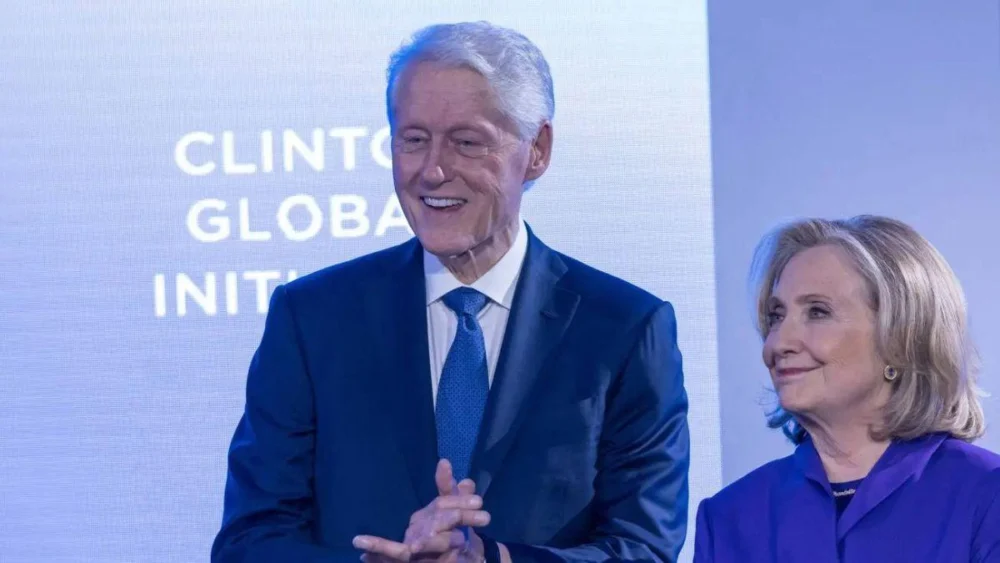
Former President Bill Clinton vehemently defended his wife, Hillary Clinton, during his own high-stakes deposition on Friday, February 27, 2026, concerning the late financier Jeffrey Epstein. In a lengthy opening statement delivered before questioning began, Clinton sharply criticized the House Oversight and Government Reform Committee for issuing a subpoena to his spouse, labeling the decision as "simply not right" given her alleged lack of connection to Epstein. Hillary Clinton had appeared for her own testimony just one day prior, facing intense scrutiny regarding any potential links to the convicted sex offender.
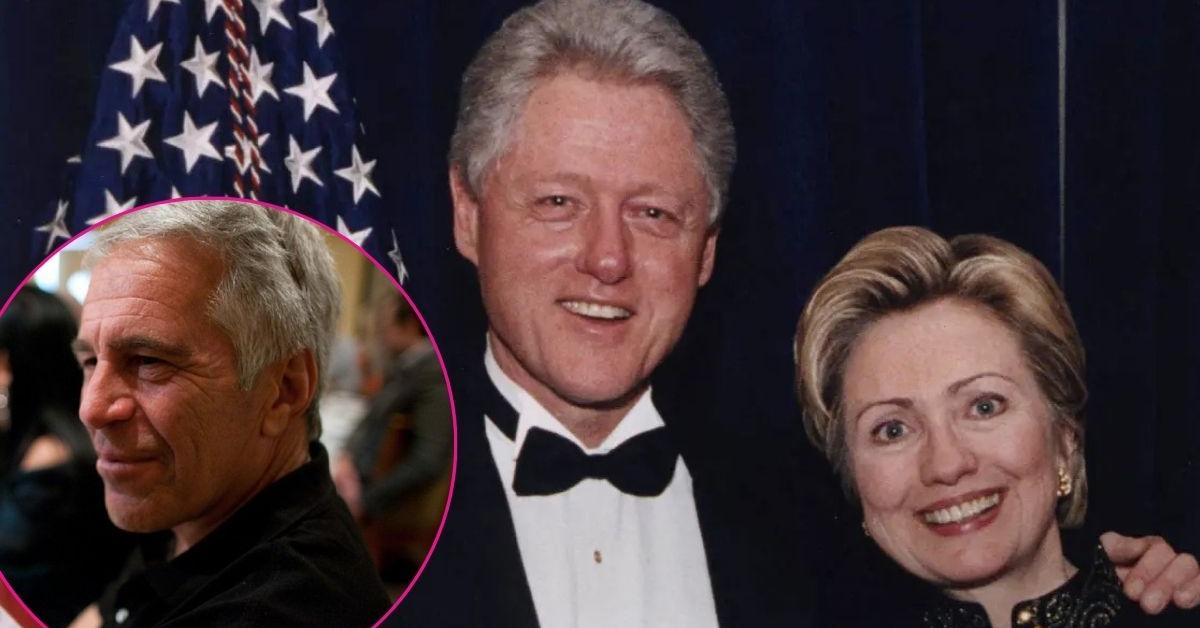
The ongoing investigation into Jeffrey Epstein’s vast sex trafficking network has cast a long shadow over numerous high-profile individuals, drawing widespread public and political attention. Epstein, a wealthy financier, was arrested in July 2019 on federal charges of sex trafficking minors and conspiracy to commit sex trafficking. His subsequent death by suicide in a New York City jail cell ignited a firestorm of speculation and demands for accountability, fueling persistent inquiries into the extent of his powerful connections and the individuals who may have facilitated or ignored his illicit activities. Congressional committees, alongside federal prosecutors, have been under immense pressure to uncover the full scope of Epstein’s operations and hold any enablers responsible, regardless of their societal standing.
The House Oversight and Government Reform Committee, charged with overseeing federal government operations and investigating matters of public interest, undertook this inquiry as part of its broader mandate to ensure transparency and accountability. The decision to subpoena former President Bill Clinton and former Secretary of State Hillary Clinton underscored the committee’s determination to leave no stone unturned in understanding the reach of Epstein’s network. Given the Clintons’ prominent political stature and Bill Clinton’s documented past association with Epstein, their sworn testimonies were anticipated as pivotal moments in the ongoing saga, drawing significant media coverage and public interest. The committee’s actions reflect a persistent public demand for answers regarding the shadowy circles Epstein navigated.

During his deposition, Bill Clinton wasted no time in addressing the committee’s decision to compel his wife’s testimony. "Before we start, I have to get personal. You made Hillary come in. She had nothing to do with Jeffrey Epstein," he declared emphatically. Clinton further asserted that his wife "has no memory of meeting him," and crucially, "She neither traveled with him or visited any of his properties." These statements directly challenged the committee’s apparent rationale for her subpoena, framing it as an unwarranted intrusion into her affairs.
Bill Clinton’s own relationship with Jeffrey Epstein has been a subject of intense public scrutiny for years. Records and photographic evidence have shown the former president flying on Epstein’s private jet, infamously dubbed the "Lolita Express," on multiple occasions. These flights often took him to various international destinations, including some of Epstein’s private residences. Despite these documented connections, Clinton maintained his innocence and ignorance of Epstein’s criminal activities during his deposition. "Even with 20/20 hindsight, I saw nothing that ever gave me pause," he asserted, reiterating a long-standing defense that he was unaware of the true nature of Epstein’s predatory behavior.

He went further, claiming that had he possessed "any inkling of what he was doing," he "would have turned him in myself and led the call for justice for his crimes, not sweetheart deals." This statement aimed to distance himself unequivocally from any complicity or knowledge, portraying himself as a potential crusader against such abuses rather than an unwitting associate. Clinton acknowledged that his responses to many questions might be unsatisfying, as he would likely frequently answer that he "doesn’t recall" certain details. He stressed, however, that while "that might be unsatisfying," he was "not going to say something I’m not sure of," emphasizing his commitment to truthful testimony under oath, even if it meant admitting a lack of memory.
The subpoenaing of Hillary Clinton, a former First Lady, Senator, and Secretary of State, had itself generated considerable debate. While Bill Clinton’s connections to Epstein were more extensively documented, the committee’s decision to call Hillary underscored the breadth of their inquiry and the political pressure to investigate every conceivable link. Bill Clinton’s forceful defense of his wife sought to delegitimize the committee’s action against her, painting it as an unnecessary and perhaps politically motivated overreach. He concluded his opening remarks with a defiant tone, stating, "Since I am under oath, I will not falsely state that I am looking forward to your questions. But I am ready to answer them to the best of my abilities, consistent with the facts as I know them: the legitimate, the logical and even the outlandish. With that, Mr. Chairman, fire away."
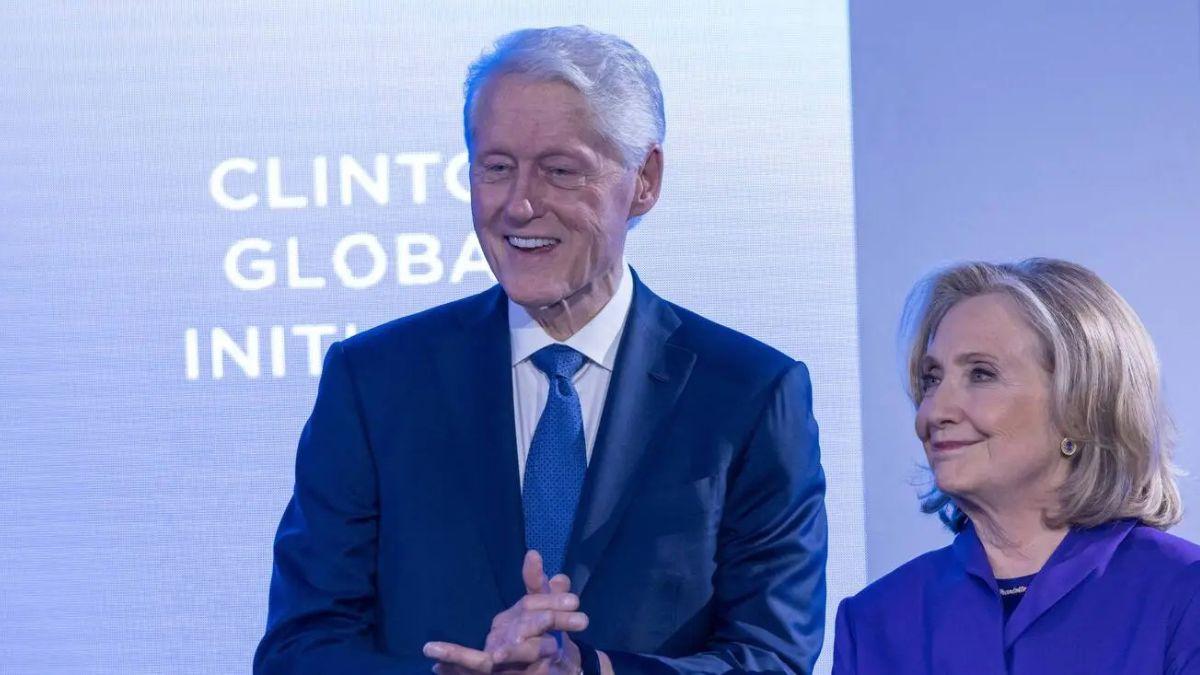
Hillary Clinton’s deposition, which preceded her husband’s, was not without its own dramatic turn. The proceedings were reportedly brought to a temporary halt following a controversial leak of a photograph taken during her sworn testimony. U.S. Representative Lauren Boebert, a member of the House Oversight Committee, allegedly shared a photo of Hillary Clinton testifying with conservative political commentator Benny Johnson, who subsequently posted it on X (formerly Twitter). This act immediately sparked a procedural and ethical controversy, as congressional depositions are typically confidential to ensure candor and prevent undue influence or political grandstanding.
Following the photo’s dissemination, Johnson claimed that the former Secretary of State "stormed out" of the deposition. He further stated, "Now the Clinton PR team is crying about me to the press. This is insane. The deposition is being filmed and will be released in full. Hillary wanted it to be done LIVE on TV. Rep. Boebert gave me permission to post a photo she took before the hearing started with credit." The incident raised serious questions about the decorum and integrity of congressional oversight processes, highlighting the deep partisan divisions and the willingness of some political figures to leverage such inquiries for public spectacle. Leaking material from a closed-door deposition can be seen as a breach of protocol, potentially undermining the investigative process and creating an environment of mistrust.
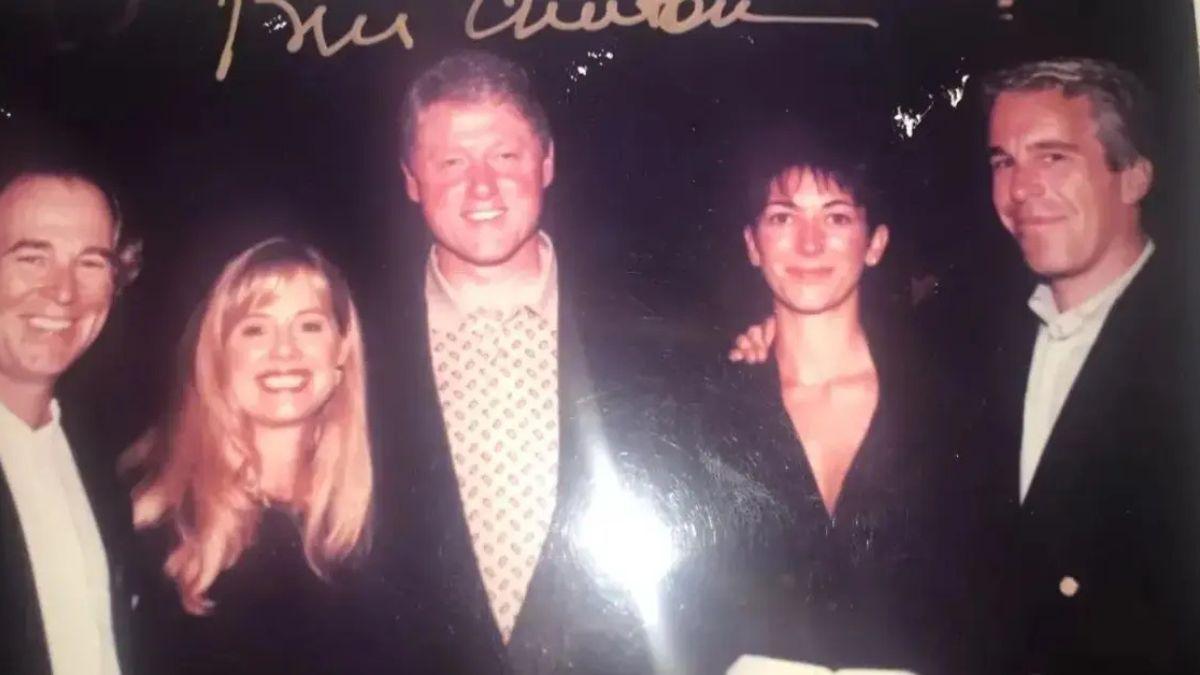
The broader implications of these high-profile depositions extend beyond the immediate legal and political ramifications for the Clintons. They underscore the enduring public fascination and outrage surrounding the Jeffrey Epstein scandal and the persistent demand for accountability from all individuals, regardless of their power or influence, who may have been connected to his crimes. The testimonies of such prominent figures are not merely about establishing facts but also about shaping public perception, influencing political narratives, and potentially impacting the legacies of those involved. The Clintons’ appearances before the House Oversight Committee highlight the intense political scrutiny that continues to define the Epstein case, illustrating how past associations with the disgraced financier can have far-reaching consequences in the public arena.
As the committee processes the sworn testimonies of Bill and Hillary Clinton, the next steps remain crucial. The full transcripts of both depositions are expected to be reviewed and potentially released, providing the public with a detailed account of their statements. The committee will then analyze the information gathered, which could lead to further investigative actions, recommendations for policy changes, or even referrals for criminal investigation, although Bill Clinton has never been charged in connection with Epstein’s crimes. The political fallout from these depositions is likely to continue reverberating, influencing public discourse and potentially impacting future political dynamics, as the shadow of Jeffrey Epstein’s dark network continues to stretch across the American political landscape, demanding transparency and justice.