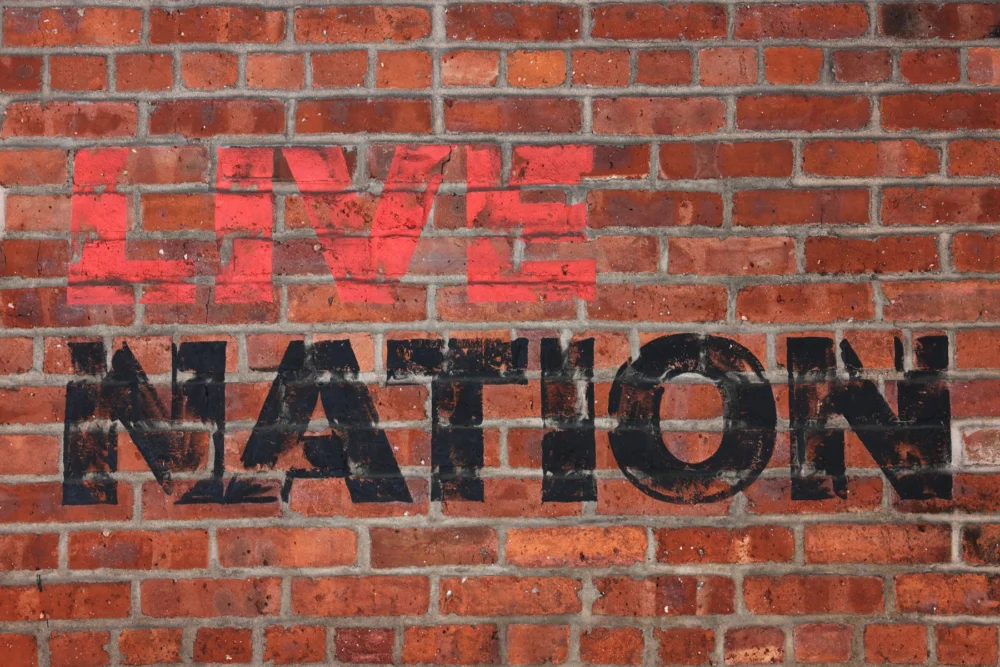
The highly anticipated antitrust trial involving Live Nation Entertainment, the dominant force in the live music industry, officially commenced today in a New York federal courtroom, marking a pivotal moment that could reshape the landscape of concerts and ticketing for years to come. The Department of Justice (DOJ), joined by a coalition of 39 state attorneys general and the District of Columbia, aims to prove that Live Nation has illegally monopolized key sectors of the live music ecosystem, primarily through its control of Ticketmaster and its extensive network of venues. This legal showdown, initiated in 2024, has seen its claims refined through pretrial rulings, focusing now on two central pillars of federal antitrust law.
The core of the DOJ’s argument rests on the accusation that Live Nation employs a deliberate strategy, dubbed an illegal "flywheel," to maintain and expand its market power. This model, as alleged by the government, involves leveraging revenue generated from ticket sales to secure exclusive contracts with artists. These artists, in turn, are then compelled to perform at Live Nation-owned venues, which are often tied to the company’s ticketing services, thereby creating a self-perpetuating cycle of dominance. This intricate system, the prosecution contends, stifles competition and harms consumers and artists alike by limiting choices and driving up costs.
At the heart of the narrowed federal claims is the allegation that Live Nation abuses its vast portfolio of amphitheaters to coerce artists into utilizing its promotional services. This practice, known in antitrust law as "tying," forces artists seeking access to Live Nation’s premier venues to also engage with the company’s promotion arm. The DOJ argues this is a clear violation of the Sherman Antitrust Act, a foundational piece of legislation designed to prevent monopolistic practices. Without access to these prime performance spaces, artists’ ability to mount successful and profitable tours is significantly hampered, leaving them with little recourse but to comply with Live Nation’s terms.

A second crucial set of allegations centers on Live Nation’s ownership of Ticketmaster, the world’s largest ticketing company. The government asserts that Live Nation uses its leverage to force concert venues into exclusive, long-term contracts with Ticketmaster. This exclusivity prevents venues from utilizing alternative ticketing platforms such as SeatGeek or others, thereby eliminating competition in the ticketing market. The DOJ claims that Live Nation employs aggressive tactics, including threatening to withhold popular musical acts from venues that opt for rival ticketers, to enforce these exclusive agreements. This strategy, prosecutors argue, locks venues into using Ticketmaster, regardless of potential benefits offered by competitors.
Live Nation, however, is prepared to mount a robust defense against these charges. Regarding the claims of tying its venues to promotion services, the company intends to argue that it simply reserves the right to choose which promoters use its facilities, not that it prevents specific artists from performing. This, they contend, is a legitimate business practice protected by antitrust law, as companies are not obligated to assist their competitors. Furthermore, Live Nation plans to challenge the DOJ’s assertion of coercion, arguing that there is insufficient evidence to demonstrate that its conduct has led to actual anticompetitive harm or forced any artist into unwanted agreements.
Concerning the allegations of forcing exclusive Ticketmaster contracts, Live Nation’s defense is expected to emphasize the lack of concrete evidence supporting the government’s claims. The company maintains that many venues willingly choose to partner exclusively with Ticketmaster for their own business advantages. These reasons often include streamlined operations, perceived ease of use, and favorable financial terms offered by the ticketing giant. In its filings, Live Nation has asserted that extensive discovery has revealed no basis for the government’s theory, stating that venues simply prefer exclusive ticketing agreements for practical business considerations.
The trial is set to feature testimony from a wide array of influential figures within the live music industry. Expected to take the stand are Live Nation’s top executives, including CEO Michael Rapino and President Joe Berchtold. Representatives from competing entertainment conglomerates, such as Anschutz Entertainment Group (AEG), are also slated to provide testimony. Industry veterans like Irving Azoff, who was the head of Ticketmaster when it merged with Live Nation in 2010, are expected to offer crucial insights into the company’s formative years and strategic decisions.

The roster of potential witnesses also includes individuals who have experienced the impact of Live Nation’s alleged practices firsthand. John Abbamondi, former CEO of the Brooklyn Nets, is expected to testify about the Barclays Center’s loss of concert access following a switch from Ticketmaster to SeatGeek, illustrating the consequences of ticketing exclusivity. Musicians may also provide their perspectives, with Ben Lovett, keyboardist for Mumford & Sons, and Kid Rock, who previously testified before Congress on industry practices, among those who could be called to the stand. Their testimonies could shed light on the pressures artists face in navigating the current live music market.
The trial is anticipated to be lengthy, with proceedings expected to last at least one month. Following the presentation of evidence and witness testimonies from both the prosecution and the defense, the jury will be tasked with deliberating the evidence. Their verdict will determine whether Live Nation has violated federal antitrust laws as charged by the DOJ and the coalition of states. The outcome of this deliberation will set the stage for the subsequent phase of the legal process, where the judge will determine the appropriate remedies.
Should the jury find Live Nation liable, the company faces the prospect of significant structural changes to its business operations. The DOJ has made no secret of its ultimate goal: to unwind the 2010 merger between Live Nation and Ticketmaster. This potential "structural remedy," a forced divestiture of Ticketmaster, would fundamentally alter Live Nation’s corporate structure and market position. However, Judge Arun Subramanian retains the discretion to impose other sanctions, such as injunctions that would prohibit specific anticompetitive business practices without necessarily forcing a sale of Ticketmaster.
Live Nation has vociferously opposed any notion of a breakup. Company executives, including top lawyer Dan Wall, have argued that the judge’s earlier decision to narrow the case’s focus undermines any substantial argument for separating the two entities. Wall’s previously published statements suggested that the remaining claims were insufficient to warrant such a drastic measure. The company maintains that its business model is legitimate and that a forced sale of Ticketmaster would be an unwarranted and punitive action.

Beyond the potential structural remedies, Live Nation also faces the possibility of significant financial penalties. The 39 states and the District of Columbia pursuing parallel claims are seeking monetary damages for the alleged monopolistic conduct. The precise financial figures remain under seal, as the government’s damage calculations have not been publicly disclosed. The potential penalties vary significantly by state, with some, like Michigan and Rhode Island, capping civil penalties at $50,000 per violation. Other states, including Colorado, Florida, and Illinois, have statutes that allow for civil fines of up to $1 million per violation, presenting a substantial financial risk for Live Nation if these claims are successful.
Despite the commencement of the trial, the possibility of a settlement remains a viable option. It is not uncommon for high-stakes litigation to be resolved during jury selection or even midway through proceedings, as the unfolding trial can shift negotiating leverage. Live Nation has previously expressed a desire to settle the case in a manner that allows it to retain ownership of Ticketmaster. Reports have surfaced indicating that the company has engaged in discussions with Washington D.C. power brokers, including hiring individuals with ties to the Trump administration for lobbying efforts, suggesting an ongoing effort to find a resolution outside of a definitive court ruling.
However, any potential settlement would require the agreement of both the DOJ and all 40 participating state attorneys general. If any of the states were to dissent from a federally negotiated agreement, their individual claims against Live Nation would proceed independently. This complex web of stakeholders underscores the intricate nature of reaching a comprehensive resolution that satisfies all parties involved, making a full trial a distinct possibility. The coming weeks will reveal whether the parties can bridge their differences or if the courts will ultimately decide the fate of Live Nation and its dominance in the live entertainment industry.