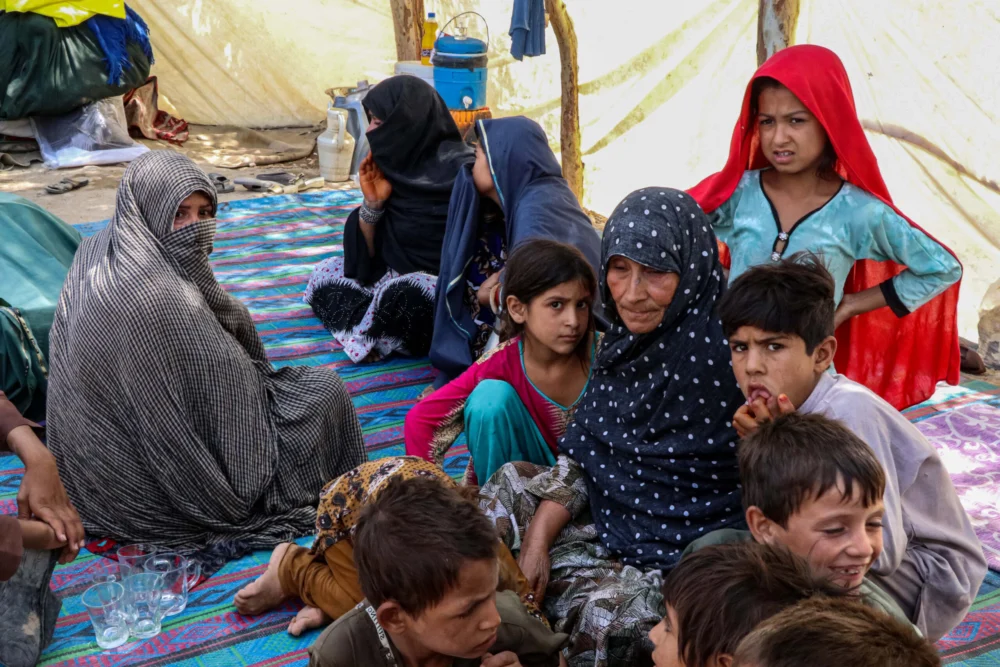
The United Nations is reporting that nearly 66,000 people have been forced to flee their homes in Afghanistan as intense shelling and explosions have marked the seventh consecutive day of fierce clashes along the country’s border with Pakistan. The escalating violence, centered around the disputed Durand Line, is raising alarms about a deepening humanitarian crisis and potential for further displacement.
Escalating Cross-Border Hostilities and Humanitarian Impact
The International Organization for Migration (IOM), a United Nations agency, issued a stark warning on Wednesday, highlighting the "escalating cross-border hostilities between Afghanistan and Pakistan and their growing humanitarian impact on civilians and people on the move." The agency’s statement detailed the devastating consequences of the ongoing military confrontation, which has reportedly led to civilian casualties, significant damage to essential infrastructure, and the mass displacement of tens of thousands in eastern and southeastern Afghanistan.
The IOM cautioned that these developments carry the grave risk of "further displacement, accelerating returns, and exacerbating vulnerabilities in communities that are already overstretched and under-resourced." This sentiment underscores the precarious situation faced by Afghan civilians caught in the crossfire, many of whom were already grappling with pre-existing vulnerabilities due to years of conflict and economic hardship.
Roots of the Conflict: The Durand Line and Operational Responses
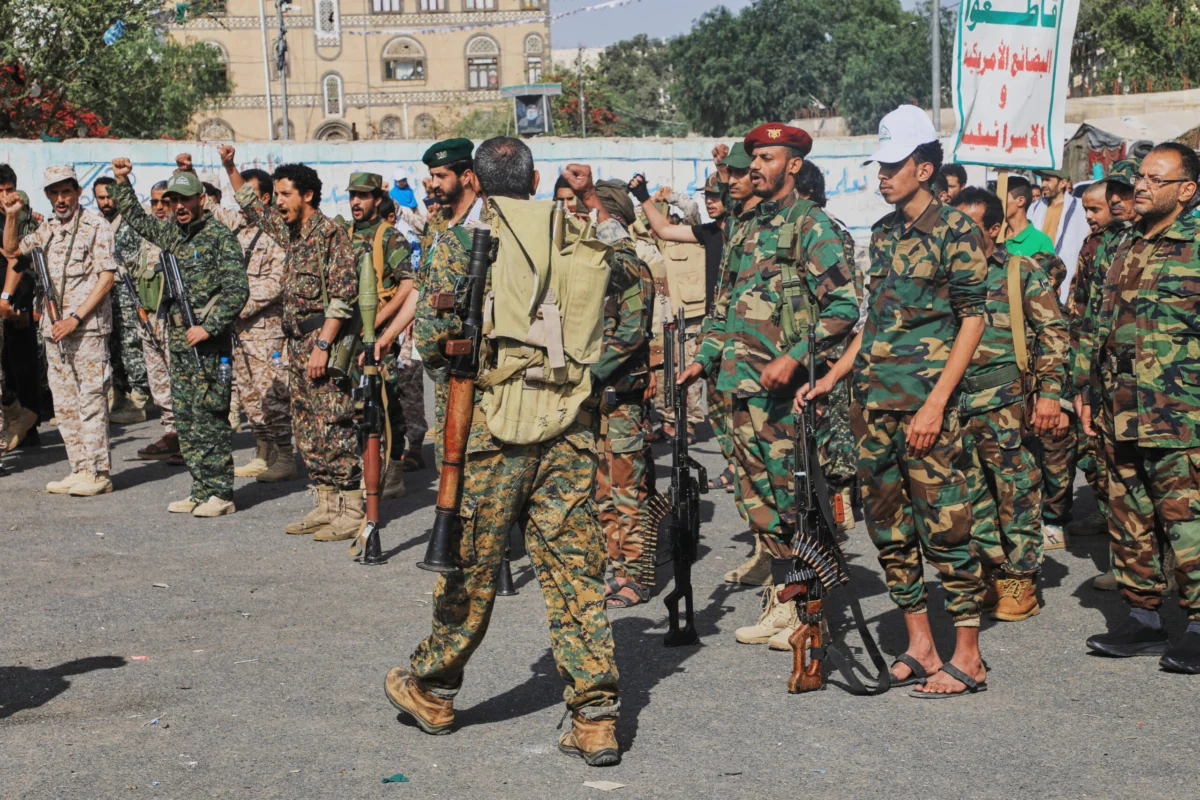
The current surge in fighting represents the most severe confrontation between the two neighboring nations in years. The conflict ignited last week when Afghan Taliban authorities initiated an operation targeting the Pakistani military along the Durand Line, the 2,640-kilometer (1,640-mile) demarcation that has been a persistent source of tension since its establishment during British colonial rule.
The Taliban stated their operation was a direct response to what they described as "deadly Pakistani air strikes" that occurred in late February. These Pakistani strikes, according to Islamabad, were aimed at neutralizing armed fighters who were allegedly utilizing Afghan territory to launch attacks into Pakistan. This claim followed weeks of heightened tensions and a spate of violence that had strained relations between the two countries.
Claims and Counter-Claims Amidst Intensified Border Fighting
Pakistani authorities have maintained that their operations are a necessary measure to prevent terrorist attacks originating from Afghan soil. Rana Sanaullah, a political advisor to Pakistani Prime Minister Shehbaz Sharif, informed Geo TV that Pakistan had largely achieved its objectives but that operations were ongoing. He asserted that "most training centers have been eliminated" and emphasized Pakistan’s demand for "verifiable evidence" that Afghan territory would cease to be used as a staging ground for attacks.
Fighting along the Afghan-Pakistani border has been characterized by intense exchanges, with both sides asserting significant gains and inflicting heavy losses on the opposing forces. On Wednesday, reports indicated heavy fire, with Afghanistan’s Defense Ministry claiming that Taliban forces had successfully shot down a Pakistani drone and captured seven border posts.
The Afghan Defense Ministry provided casualty figures, stating that 110 civilians, including 65 women and children, had been killed since the fighting commenced, with an additional 123 wounded. However, the United Nations Assistance Mission in Afghanistan (UNAMA) has reported a lower figure of 42 deaths. Pakistan has not yet issued official comment on the Afghan civilian casualty figures.
Regarding military losses, a spokesman for Afghanistan’s Defense Ministry estimated Pakistani troop fatalities at approximately 150. Conversely, Pakistan claims that more than 430 Afghan soldiers have been killed. Al Jazeera has been unable to independently verify the casualty claims made by either side.
A Deepening Humanitarian Crisis and Food Insecurity
The intensified border conflict has exacerbated an already precarious humanitarian situation in Afghanistan. The United Nations World Food Programme (WFP) issued a warning earlier this week, detailing that residents in over 46 districts across Afghanistan were already facing "severe food insecurity" prior to the escalation of hostilities.
The WFP announced that it had been compelled to temporarily suspend crucial activities, including emergency food distributions, social protection programs, school feeding initiatives, and livelihood support. This suspension has directly impacted approximately 160,000 individuals who relied on these distributions.
The ripple effects of the conflict are acutely felt in communities near the border. In Kunar province, a 30-year-old laborer identified as Asadullah told the AFP news agency that the violence had severely restricted movement, preventing people from accessing markets. He described the exodus from his village, Sirkanay, stating, "Thousands of families have left the village." Asadullah added that in some homes, only a single individual remained to guard the property while the rest of the family sought refuge elsewhere, lamenting, "The village has become empty."
Broader Implications and Regional Stability Concerns
The renewed hostilities between Afghanistan and Pakistan carry significant implications for regional stability and the ongoing efforts to rebuild Afghanistan. The Durand Line, a historical point of contention, continues to be a flashpoint, fueling distrust and exacerbating existing security challenges. The involvement of non-state actors and the alleged use of territory by militant groups further complicate the situation, creating a complex web of security concerns for both nations.
The displacement of nearly 66,000 people represents a substantial humanitarian challenge, placing additional strain on already limited resources and infrastructure within Afghanistan. The interruption of essential services, such as food distribution and healthcare, due to insecurity further compounds the suffering of the affected population.
International Response and Calls for De-escalation
The international community, including the United Nations, is closely monitoring the escalating situation and urging both sides to exercise restraint and pursue diplomatic solutions. The IOM’s warning underscores the urgent need for humanitarian access and assistance to those displaced and affected by the conflict.
The protracted nature of the fighting and the potential for further escalation raise concerns about a prolonged humanitarian crisis and its impact on Afghanistan’s long-term development prospects. The international community faces the challenge of balancing security concerns with the imperative to provide essential aid and support to a population already enduring immense hardship.
Future Outlook and the Path Forward
The current trajectory suggests that the border tensions between Afghanistan and Pakistan are likely to remain a significant concern in the near future. The claims and counter-claims surrounding the conflict, coupled with the devastating humanitarian consequences, highlight the urgent need for dialogue and de-escalation.
The displacement of nearly 66,000 Afghans is a stark reminder of the human cost of such conflicts. As the situation continues to unfold, the international community’s attention will likely remain focused on mitigating the humanitarian impact, advocating for peace, and supporting efforts to establish a more stable and secure border region. The long-term implications for regional security and the well-being of millions of people hinge on the ability of both nations to find a path toward de-escalation and sustainable peace.