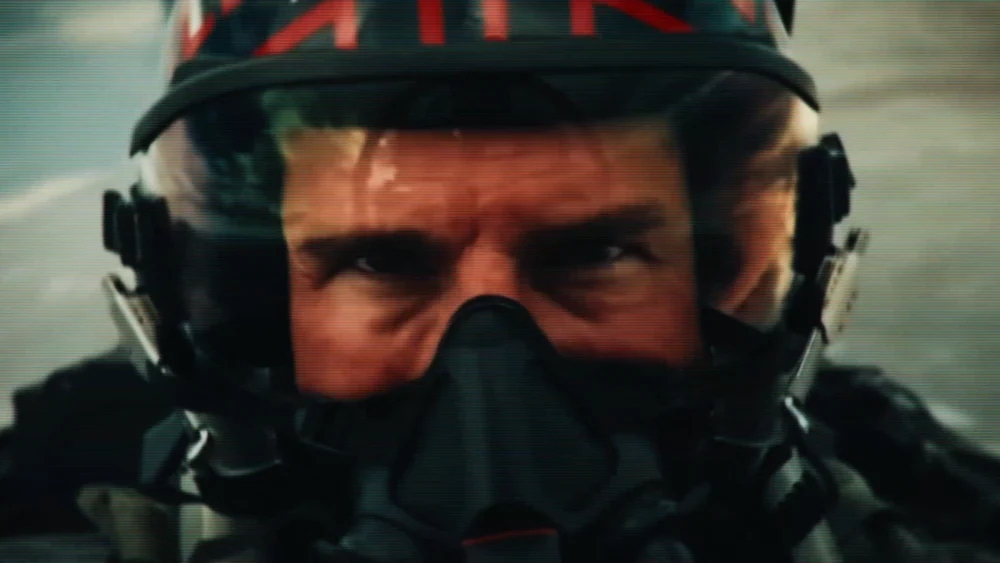
The White House has drawn significant criticism for releasing a video montage juxtaposing footage of the Iran-Iraq War with scenes from films and cartoons, a move that occurred just one day after a U.S. military investigation concluded that American forces were "likely responsible" for an attack on an Iranian girls’ school that resulted in the deaths of at least 165 children and staff. This decision has ignited a firestorm of public outcry and diplomatic tension, raising serious questions about the administration’s priorities and messaging in the wake of a devastating civilian casualty event.
A Day of Reckoning and a Controversial Release
The timing of the White House’s "American Justice" video could not have been more sensitive. On March 5, 2026, the U.S. Central Command (CENTCOM) released findings from an internal investigation into the tragic incident that occurred in the Iranian city of Isfahan on February 28, 2026. The report, a highly anticipated document, unequivocally stated that a U.S. drone strike, intended to target a known militant training facility adjacent to the school, had malfunctioned and struck the educational compound. The initial assessment of casualties, which has since been corroborated by independent international observers, paints a grim picture: 165 children and educators perished, with hundreds more injured.
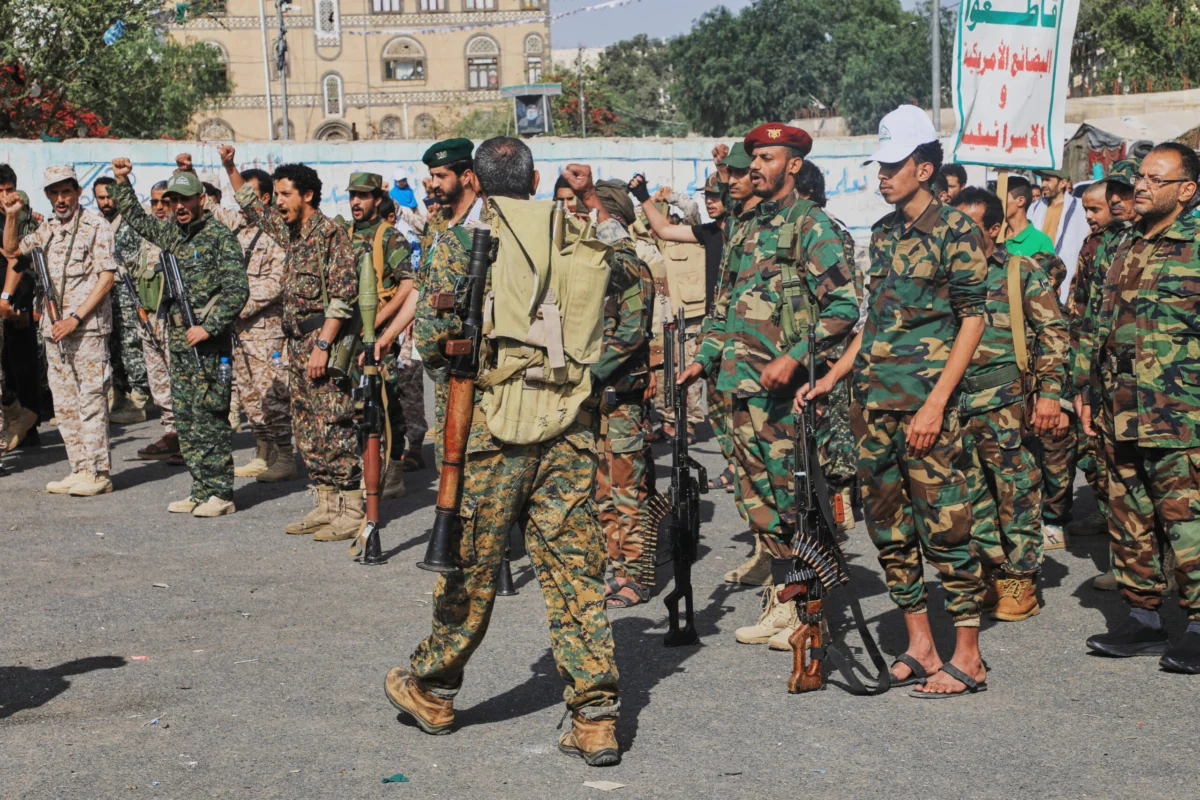
Hours after this somber admission of responsibility, the official White House social media channels, along with its website, published a roughly two-minute video. The montage, titled "American Justice," featured a rapid-fire sequence of images. It included archival footage from the Iran-Iraq War, depicting American military hardware and personnel, interspersed with clips from Hollywood films that portray American heroism and unwavering resolve. The video also incorporated segments from animated cartoons, seemingly aimed at a younger audience, showcasing characters engaged in heroic endeavors. The soundtrack was an eclectic mix of patriotic anthems and dramatic orchestral scores.
Background: Escalating Tensions and the Isfahan Tragedy
The incident in Isfahan did not occur in a vacuum. For months, tensions between the United States and Iran had been steadily escalating. A series of retaliatory strikes and counter-strikes, ostensibly targeting proxy forces and military installations, had created a volatile atmosphere in the region. The Iranian government had repeatedly accused the United States of destabilizing actions, while U.S. officials maintained that their operations were defensive and aimed at thwarting Iranian-backed aggression against American allies and interests in the Middle East.
The school, a modest facility primarily serving girls from lower-income families, was located in a densely populated area of Isfahan. Intelligence reports, later declassified in part, indicated that the adjacent facility was a known hub for a militant group that had been implicated in attacks on international shipping and regional infrastructure. The U.S. military’s justification for the strike was based on intelligence suggesting the presence of high-value targets within that adjacent compound. However, the catastrophic miscalculation leading to the school’s destruction has cast a long shadow over the credibility of the intelligence and the execution of the operation.
Timeline of Events: From Strike to Scrutiny
- February 28, 2026: A U.S. drone strike, intended for a militant facility near a girls’ school in Isfahan, Iran, tragically hits the school. Initial reports from Iranian state media indicate a high number of civilian casualties, including children.
- March 1, 2026: The U.S. Department of Defense acknowledges an incident involving a strike in the vicinity of Isfahan but offers no immediate confirmation of civilian casualties or responsibility. International pressure mounts for a thorough investigation.
- March 2-4, 2026: CENTCOM launches an urgent internal probe. Eyewitness accounts and photographic evidence begin to surface, further highlighting the devastating impact on the school. Diplomatic channels between Washington and Tehran become increasingly strained.
- March 5, 2026 (Morning): CENTCOM releases its investigative findings, stating that U.S. forces were "likely responsible" for the attack on the school due to a technical malfunction in the targeting system of a drone. The report details the tragic chain of events leading to the misfire.
- March 5, 2026 (Afternoon): The White House publishes the "American Justice" video montage, featuring a mix of war footage, action movie clips, and cartoons, on its official platforms.
Public and International Reactions: Outrage and Disbelief
The immediate reaction to the "American Justice" video was overwhelmingly negative. Critics, including human rights organizations, international law experts, and a significant segment of the American public, decried the video as tone-deaf, insensitive, and a profound display of disrespect to the victims and their families. Many viewed it as an attempt to distract from or downplay the gravity of the acknowledged military error.
"To release a video that appears to celebrate military might and historical conflict so soon after admitting to the deaths of over 160 innocent children is not just insensitive, it’s morally reprehensible," stated Sarah Jenkins, spokesperson for the Global Peace Initiative. "It sends a chilling message about how the administration perceives the value of human life in conflict zones."
On Capitol Hill, bipartisan criticism was swift. Senator Maria Rodriguez, a ranking member of the Senate Foreign Relations Committee, issued a statement calling the video "an unconscionable misstep" that "undermines our nation’s standing and its commitment to humanitarian values." House Minority Leader David Chen echoed these sentiments, demanding an immediate explanation from the White House.
The Iranian government vehemently condemned the video, labeling it a "blatant insult" and a "provocation." In a statement released by the Ministry of Foreign Affairs, Tehran declared that the video demonstrated a "disregard for human life and a dangerous glorification of military aggression." The United Nations Secretary-General’s office expressed "deep concern" over the timing and content of the video, urging all parties to exercise restraint and focus on accountability and humanitarian aid.
Analysis: The Perils of Messaging in a Crisis
The "American Justice" video highlights a critical challenge in modern crisis communication: the delicate balance between projecting strength and demonstrating empathy. In the aftermath of a catastrophic event where U.S. forces are acknowledged to be responsible, the priority for any government should be to express sincere condolences, commit to full accountability, and offer tangible support to the affected population.
Instead, the White House opted for a message that, to many observers, seemed to pivot away from the tragedy and towards a narrative of inherent American righteousness. The juxtaposition of solemn war footage with cartoonish heroism and overtly patriotic themes created a jarring and dissonant effect, amplifying the perception of indifference. This strategic miscalculation risks alienating potential allies, emboldening adversaries, and eroding public trust both domestically and internationally.
The use of the phrase "American Justice" in the video’s title, in the context of a military failure resulting in mass civilian casualties, is particularly problematic. It implies a preordained and unassailable righteousness in American actions, a narrative that is severely challenged by the Isfahan incident. This approach can be interpreted as a refusal to fully confront the consequences of military actions and a disinclination to acknowledge the devastating human cost.
Broader Implications: The Future of U.S.-Iran Relations and Global Perception
The fallout from the Isfahan attack and the subsequent video release is likely to have significant and lasting implications for U.S.-Iran relations. The already fraught diplomatic landscape has been further complicated, making de-escalation and dialogue more challenging. Iran may use this incident and the White House’s response to rally domestic support and international condemnation against the United States, potentially strengthening hardline factions within the Iranian government.
Globally, the event and the controversial messaging could reinforce negative perceptions of American foreign policy, particularly in regions already skeptical of U.S. intentions. It could also embolden critics who argue that the U.S. military operates with impunity, without sufficient regard for international humanitarian law or civilian populations. This could impact the U.S.’s ability to form and maintain coalitions for future security initiatives.
Next Steps: The Path to Accountability and Reconciliation
The immediate future demands concrete actions from the White House to address the criticism and mitigate the damage. This includes:
- A Formal Apology: A more direct and unequivocal apology from the President or the highest levels of the administration, expressing deep remorse for the loss of life and offering sincere condolences to the victims’ families.
- Commitment to Reparations: A clear commitment to providing substantial financial and humanitarian aid to the affected communities in Isfahan, demonstrating a tangible effort to address the suffering caused by the strike.
- Transparency in Investigations: Continued transparency regarding ongoing investigations into the incident, ensuring that all individuals found to be responsible are held accountable through appropriate military or legal channels.
- Re-evaluation of Communication Strategy: A thorough review of the White House’s crisis communication protocols to prevent similar missteps in the future, emphasizing sensitivity, empathy, and a focus on humanitarian concerns in times of tragedy.
The path forward requires a delicate recalibration of America’s approach. Acknowledging the tragic reality of the Isfahan school attack, demonstrating genuine remorse, and committing to meaningful accountability are paramount. Only through such concerted efforts can the United States begin to repair the damage to its reputation and rebuild trust in a world that is watching closely. The "American Justice" video, intended perhaps to project strength, has instead highlighted a profound need for humility and compassion in the face of devastating consequences.