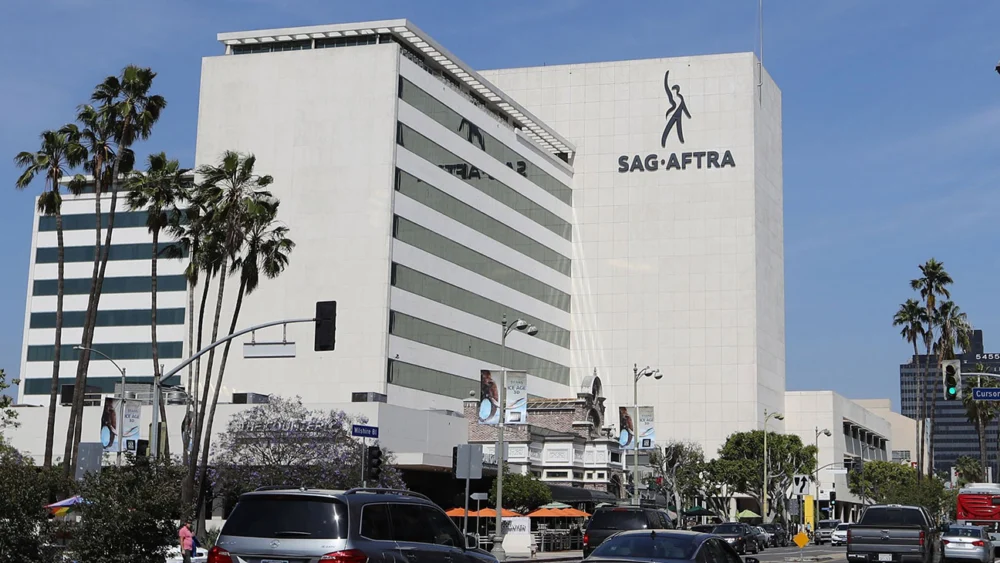
Hollywood’s primary performers’ union, SAG-AFTRA, and the Alliance of Motion Picture and Television Producers (AMPTP) announced on Friday an extension of their current SAG-AFTRA contract negotiations by an additional week. This decision pushes the deadline for a potential new film and television deal as both parties strive to reach an agreement amid a critical period for the entertainment industry. The extension underscores the complexity of the issues at stake, particularly following a tumultuous year marked by significant labor unrest.
The talks, which commenced on February 9, have been conducted under a strict media blackout, a common practice in high-stakes collective bargaining. This confidentiality aims to foster an environment conducive to open dialogue without external pressures. The AMPTP represents major studios and streaming giants, including Netflix, Paramount, Disney, Warner Bros. Discovery, and Amazon, making these SAG-AFTRA contract negotiations pivotal for the entire ecosystem of content creation.
Navigating the Post-Strike Landscape
This round of negotiations carries immense weight as it marks the first major bargaining session since the 118-day actors’ strike in 2023. That work stoppage, which coincided with a parallel strike by the Writers Guild of America (WGA), brought much of Hollywood to a standstill, costing the California economy billions and delaying numerous productions. The memory of that protracted dispute looms large over the current discussions, influencing both the union’s resolve and the studios’ desire for stability.
The 2023 strikes fundamentally reshaped the labor landscape in Hollywood. Actors and writers articulated deep-seated grievances concerning compensation in the streaming era, the erosion of residuals, and the existential threat posed by artificial intelligence. These issues remain central to the current dialogue, making these SAG-AFTRA contract negotiations a litmus test for the industry’s ability to adapt to new technological and economic realities.
Key Issues Driving SAG-AFTRA Contract Negotiations
At the forefront of SAG-AFTRA’s demands is a significant boost in member income. Union leadership has consistently highlighted the financial struggles faced by many performers, particularly in qualifying for health insurance due to fluctuating work opportunities and insufficient earnings. Sean Astin, the union’s president, has publicly stressed the urgent need for increased wages, cost-of-living adjustments, and inflation-indexed compensation to ensure that working actors can sustain themselves and their families.
The shift from traditional broadcast and cable television models to direct-to-consumer streaming services has profoundly impacted performer compensation. The previous residual system, which provided actors with a steady income stream based on the reuse of their work, has largely diminished in the opaque world of streaming. SAG-AFTRA is pushing for a revised residual structure that accurately reflects the value of their contributions in the digital age, a core demand echoed by the WGA in their successful 2023 agreement.
The Looming Specter of Artificial Intelligence
Perhaps the most complex and contentious issue on the bargaining table is the regulation of artificial intelligence. SAG-AFTRA has expressed profound concerns about the potential for generative AI to replicate actors’ voices, likenesses, and performances without fair compensation or consent. The union aims to establish robust contractual safeguards that protect performers’ identities and economic interests in an increasingly AI-driven production environment.
Duncan Crabtree-Ireland, SAG-AFTRA’s chief negotiator, has articulated a strategy focused on making the use of synthetic performers as economically unappealing as human talent. His argument posits that if digital replicas, such as AI-generated background actors or voice clones, are priced similarly to live performers, studios will naturally opt for human actors. This approach seeks to mitigate the economic displacement that AI could otherwise cause, ensuring that technological advancements do not erode the value of human artistry. The union is acutely aware of the rapid advancements in AI technology, from deepfakes to sophisticated voice synthesis, and is determined to establish precedents that protect its members from exploitation.
Maintaining Health Plan Stability
Another critical objective for SAG-AFTRA, mirroring concerns raised by the WGA and the Directors Guild of America (DGA) in their respective negotiations, is the stability of its health plan. The downturn in production activity, exacerbated by the 2023 strikes, coupled with rising healthcare inflation, has placed significant strain on the union’s health fund. Members rely on this plan for essential medical coverage, and its financial health is directly tied to the volume of work available and the contributions made through collective bargaining agreements. Securing provisions that ensure the long-term viability of the health plan is a non-negotiable priority for the union leadership.
The decline in overall production, often referred to as a "work drought," has impacted many below-the-line workers and creative professionals, not just actors. This industry-wide slowdown has reduced the pool of available jobs, consequently affecting the income thresholds many performers need to meet to qualify for union health benefits. Addressing this systemic issue through increased minimums and improved benefit contributions is seen as vital for the welfare of the union’s membership.
A Ticking Clock and Intersecting Negotiations
The extension comes as the AMPTP faces another impending negotiation deadline: talks with the Writers Guild of America (WGA) are scheduled to begin on March 16. This compressed timeline creates additional pressure on the current SAG-AFTRA contract negotiations. While the parties have built in flexibility for an additional bargaining period before the actors’ current deal expires on June 30, a quick resolution remains preferable for all involved to avoid overlapping labor disputes.
The WGA’s upcoming talks will undoubtedly be influenced by the outcome of the SAG-AFTRA discussions, and vice-versa. The entertainment industry often sees a domino effect, where agreements reached with one major union can set precedents or define parameters for subsequent negotiations with others. This interconnectedness adds another layer of strategic complexity to the ongoing dialogue between actors and studios.
The Shadow of Another Strike
The possibility of another strike, while not explicitly ruled out by SAG-AFTRA leadership, is viewed as a last resort. Crabtree-Ireland has emphasized that he does not believe a work stoppage will be necessary, advocating for collective bargaining as an "orderly way" to address working relationships. This sentiment was echoed in a December message to members from Crabtree-Ireland and Astin, stressing that the process "doesn’t have to be a dramatic process." However, the union’s strong stance on core issues, particularly AI and fair compensation, suggests that they are prepared to exert their leverage if a satisfactory agreement cannot be reached.
For the studios, another strike would be economically devastating, potentially halting production for a second time in less than a year. The financial repercussions of the 2023 strikes were substantial, impacting earnings reports and investor confidence. Both sides are keenly aware of these costs, which often serve as a powerful motivator to find common ground and avoid prolonged industrial action.
Broader Implications for the Entertainment Industry
The outcome of these SAG-AFTRA contract negotiations will have far-reaching implications beyond the immediate parties. A successful agreement could usher in a new era of stability for Hollywood, providing clarity on critical issues like AI governance and fair compensation in the streaming economy. Conversely, a failure to reach a deal could plunge the industry back into uncertainty, affecting production schedules, release dates, and the livelihoods of thousands of workers across the sector.
For the public, the stakes are also high. Labor stability in Hollywood translates directly into a consistent flow of new film and television content. Another period of unrest could lead to further delays in highly anticipated projects, impacting consumer access to entertainment and potentially shifting viewing habits. These negotiations are not just about actors and studios; they are about the future of storytelling, creative labor, and the economic health of one of America’s most iconic industries.
As the extended deadline approaches, all eyes remain on the negotiating tables. The ability of SAG-AFTRA and the AMPTP to bridge their differences will define the immediate future of Hollywood, shaping labor relations, technological integration, and economic models for years to come.