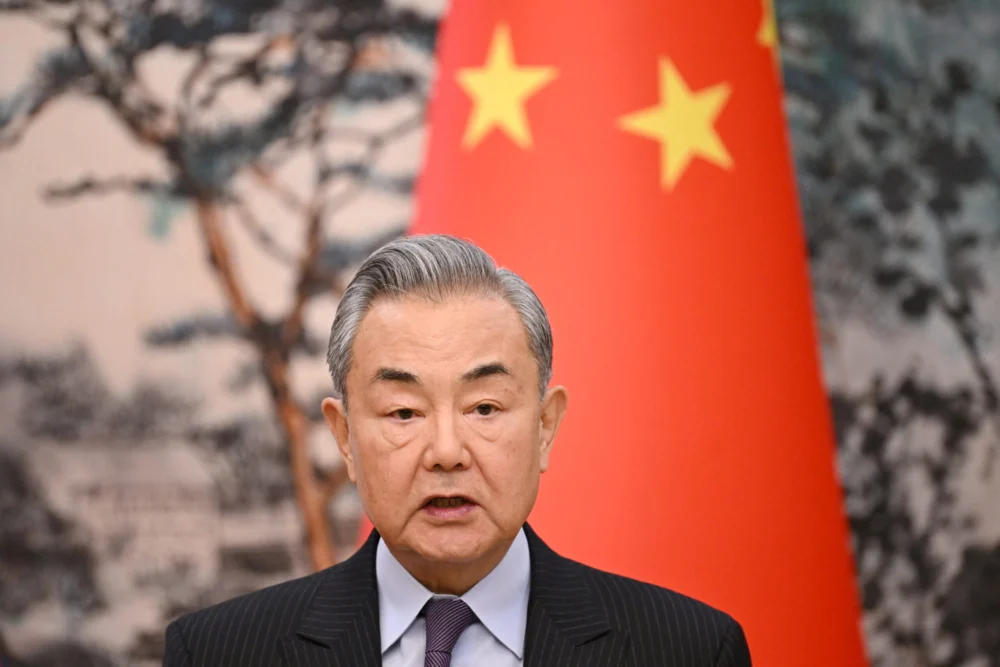
Beijing has issued a stern warning against any attempts to instigate government change in Iran amidst escalating military operations in the Middle East, asserting that such endeavors would lack public backing and destabilize the region. Chinese Foreign Minister Wang Yi, speaking at a press conference on the sidelines of a significant annual gathering in Beijing, stated that the pursuit of a "color revolution" or regime change in Iran would be met with no popular support, according to a report by the state-run Xinhua news agency.
China’s Stance on Regional Stability
Minister Wang’s remarks underscore China’s firm position on respecting national sovereignty and non-interference in the internal affairs of other nations. He explicitly called for an “immediate stop to military operations” across the Middle East, emphasizing the urgent need to de-escalate the current conflict and prevent its further proliferation.
“This is a war that should not have happened, and it is a war that does no one any good,” Wang declared. He articulated a belief that resorting to force offers no sustainable solutions, predicting that armed conflict would inevitably exacerbate animosities and sow the seeds for future crises.
Sovereignty and Self-Determination in the Middle East
The top Chinese diplomat reiterated the principle that the populations of the Middle East are the ultimate arbiters of their own destiny. He asserted that regional matters should be independently determined by the countries within the region, directly advocating for the principle of non-interference.
“A strong fist does not mean strong reason. The world cannot return to the law of the jungle,” Wang cautioned reporters, drawing a clear line against what he described as a return to primitive, power-based international relations.
A Call for Dialogue and Negotiation
In a bid to foster de-escalation, Wang implored all involved parties to return to the negotiating table with urgency. He stressed the importance of resolving differences through dialogue and actively working towards the realization of common security for all nations in the region.
China, he further elaborated, is prepared to collaborate with regional countries to achieve specific objectives: restoring order to the Middle East, bringing tranquility to its people, and ultimately contributing to global peace. This diplomatic overture signals Beijing’s active engagement in seeking a resolution to the volatile geopolitical situation.
The Unlikelihood of Regime Change, According to U.S. Intelligence
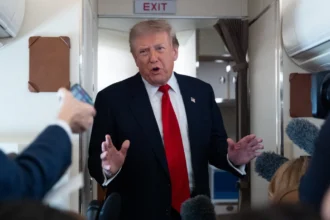
Adding a layer of complexity to the geopolitical landscape, a classified report from the U.S. National Intelligence Council, as revealed by The Washington Post, suggests that even a large-scale U.S. military offensive would likely be insufficient to dismantle Iran’s established military and clerical power structure. The report, citing three sources familiar with the classified document, directly challenges the assertions made by U.S. President Donald Trump regarding his ability to "clean out" Iran’s leadership and install a preferred successor.
The intelligence assessment indicates that such an outcome would be far from assured, casting doubt on the viability of military intervention as a means to effect profound political change in Iran. This internal U.S. intelligence assessment provides a counterpoint to potential U.S. policy considerations and highlights the entrenched nature of Iran’s governance.
Beijing’s Condemnation and Shifting Alliances
Beijing has previously voiced strong condemnation regarding the reported killing of Iran’s Supreme Leader Ayatollah Ali Khamenei, a significant event that has sent ripples through regional and international politics. This condemnation aligns with China’s broader diplomatic posture, which often emphasizes stability and respect for existing leadership structures, even in the face of international pressure or criticism.
Concurrently, Wang Yi reaffirmed the enduring strength of China’s relationship with Russia. He described these ties as "steadfast and unshakeable," a statement made in the context of Western criticism leveled against Moscow for its role in sustaining the conflict in Ukraine. This assertion of unwavering alliance highlights China’s strategic partnerships and its independent foreign policy approach, which often diverges from Western consensus.
Historical Context: The Shifting Sands of Middle Eastern Power
The current geopolitical tensions in the Middle East are the culmination of decades of complex interplays between regional powers and global actors. The region has long been a focal point of strategic competition, ideological divides, and resource disputes. Understanding the current crisis necessitates an appreciation of the historical trajectory of these relationships.
Following the Islamic Revolution in 1979, Iran has navigated a path of significant political and ideological transformation. Its foreign policy has often been characterized by a stance of resistance against perceived Western hegemony and a commitment to supporting regional allies. This has led to a complex web of alliances and rivalries that continue to shape the current conflict dynamics.
The involvement of external powers, particularly the United States and its allies, has been a consistent feature of Middle Eastern geopolitics for generations. U.S. policy has historically aimed at ensuring regional stability, safeguarding energy interests, and countering perceived threats to its allies. However, the effectiveness and consequences of these interventions have been a subject of continuous debate and scrutiny.
The Impact of Conflict on Regional and Global Economies
The ongoing military operations in the Middle East carry significant economic implications that extend far beyond the immediate theater of conflict. The region is a critical hub for global energy production and transit, and any disruption to these flows can have profound effects on international markets. Fluctuations in oil and gas prices can impact everything from transportation costs to industrial production worldwide.
Furthermore, the economic stability of nations within the Middle East is directly threatened by prolonged conflict. Infrastructure damage, displacement of populations, and the disruption of trade routes can lead to widespread economic hardship. The cost of humanitarian aid and reconstruction efforts further strains national budgets and international development initiatives.
Public Opinion and the Demand for Peace
While official statements from governments often dominate headlines, the sentiment of the general populace within affected regions is a crucial, albeit often underrepresented, factor. Reports from international organizations and independent observers suggest a deep-seated yearning for peace among the civilian populations caught in the crossfire. The human cost of war—loss of life, injury, displacement, and psychological trauma—creates a powerful public demand for an end to hostilities.
This desire for peace often transcends political and ideological divides, reflecting a universal aspiration for security and normalcy. In nations experiencing direct conflict, public opinion can become a potent, albeit sometimes suppressed, force pushing for de-escalation and diplomatic solutions.
The Role of International Diplomacy and China’s Growing Influence
China’s increasing assertiveness on the international stage, particularly in its calls for diplomatic resolution in the Middle East, reflects its growing global influence. As a permanent member of the UN Security Council and a major economic power, Beijing possesses significant diplomatic leverage. Its emphasis on multilateralism and non-interference resonates with many developing nations that have historically felt marginalized by dominant global powers.
China’s approach, often characterized by economic engagement and a focus on mutual benefit, presents an alternative model to the more interventionist foreign policies historically pursued by some Western nations. This diplomatic strategy allows China to cultivate goodwill and forge partnerships across diverse political systems.
The current crisis presents a test case for China’s diplomatic capabilities and its commitment to regional stability. By advocating for dialogue and urging an end to military operations, Beijing positions itself as a potential mediator and a proponent of a multipolar world order. The success of these efforts will depend on the willingness of all parties involved to engage constructively and prioritize diplomatic solutions over military confrontation.
The Future of Middle Eastern Stability: A Multipolar Perspective
The escalating tensions in the Middle East have amplified calls for a fundamental reevaluation of regional security architecture. The traditional reliance on external powers for security guarantees is increasingly being questioned, leading to a greater emphasis on regional cooperation and self-reliance.
The principle of collective security, where nations within a region work together to address common threats, is gaining traction. This approach necessitates overcoming historical animosities and building trust through sustained dialogue and shared interests. China’s advocacy for regional actors to determine their own destiny aligns with this emerging paradigm.
Ultimately, the path to lasting peace and stability in the Middle East will likely involve a multifaceted approach. This includes robust diplomatic engagement, a commitment to addressing the root causes of conflict, and a recognition of the legitimate security concerns of all regional states. The international community, including major powers like China, has a crucial role to play in fostering an environment conducive to such solutions, moving away from the "law of the jungle" towards a more reasoned and cooperative international order.