Actress Michelle Randolph recently disclosed her candid inquiry to veteran actor Billy Bob Thornton regarding the persistent "blood vial" rumor linked to his past marriage with Angelina Jolie, a topic that has captivated public interest for decades. Randolph, who co-stars with Thornton in Taylor Sheridan’s upcoming oil drama Landman, shared the humorous yet revealing exchange during a recent appearance on The Drew Barrymore Show, offering a fresh perspective on one of Hollywood’s most enduring and sensationalized celebrity tales.
Randolph openly admitted that the long-standing rumor was virtually her sole frame of reference for the acclaimed actor prior to their collaboration. "Most of my scenes are with him, and I’m thinking, ‘God, like what, all I know is that he drank Angelina Jolie’s blood or something,’" Randolph recounted, expressing the internal monologue that prompted her to directly address Thornton about the infamous story. Her decision to confront the rumor highlights the pervasive nature of celebrity mythology, even decades after its genesis.
The Genesis of a Hollywood Legend: Billy Bob Thornton and Angelina Jolie

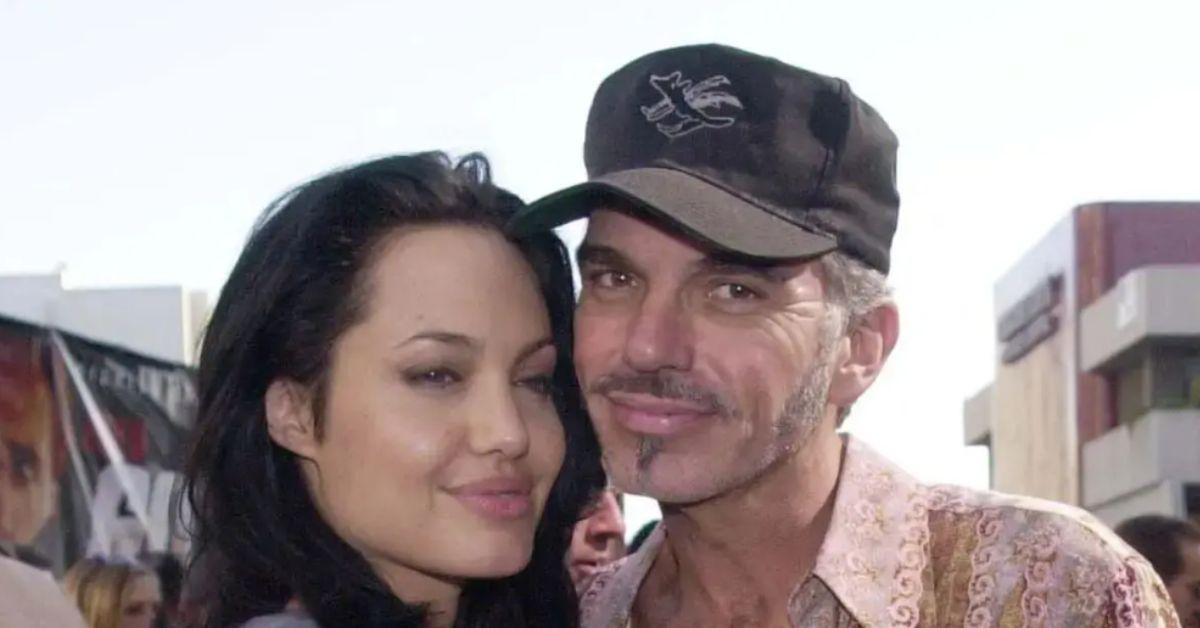
The rumor originated during Billy Bob Thornton and Angelina Jolie’s highly publicized and unconventional marriage, which spanned from 2000 to 2003. Their relationship was characterized by intense public displays of affection, matching tattoos, and a distinctive, often provocative, public persona. At the time, Jolie was a rapidly ascending star known for her edgy roles and equally daring personal life, while Thornton, significantly older, was an established actor and filmmaker with a reputation for intense, character-driven performances and a somewhat eccentric public image.
Their union became a tabloid sensation, fueled by their candid interviews and a perceived disregard for traditional celebrity norms. It was within this climate of heightened media scrutiny and fascination that the "blood vial" story first emerged, quickly becoming one of the most talked-about celebrity anecdotes of the early 2000s. The press widely reported that the couple wore vials containing each other’s blood around their necks, a detail that simultaneously shocked and titillated the public, cementing their image as Hollywood’s most unconventional pair.
Clarifying the Persistent Blood Rumor
Despite the sensational headlines, Billy Bob Thornton has consistently provided a more grounded explanation for the "blood vial" narrative over the years. In past interviews, including a notable one with Rolling Stone, Thornton clarified that the reality was far less dramatic than the public perception. He explained that he and Jolie indeed wore small lockets, but these contained only "a little drop of blood" each, not the full vials often implied by media reports.

Thornton framed the gesture as a romantic and intimate expression of their bond, comparing it to carrying a loved one’s lock of hair. "That’s a romantic little idea, and that’s all that was," he stated, attempting to demystify the story that had taken on a life of its own. His repeated clarifications have aimed to temper the more gothic interpretations of their relationship, emphasizing the personal sentiment behind the action rather than any macabre intent. Nevertheless, the sensationalized version of the "blood rumor" has remained a persistent fixture in Hollywood lore, testament to its enduring impact on public imagination.
Michelle Randolph’s Encounter on the Landman Set
The recent interaction on the Landman set, where Michelle Randolph portrays Billy Bob Thornton’s daughter, offered a unique opportunity for a rising talent to engage with a seasoned veteran about his storied past. Randolph’s decision to directly question Thornton speaks to the actor’s approachable demeanor, despite his intimidating professional résumé. Her account revealed Thornton’s remarkably casual response to a rumor that has followed him for over two decades.
When Drew Barrymore inquired about Thornton’s reaction to Randolph’s direct question, Randolph enthusiastically described his unflappable nature. "Fully! I mean, he’s just ease. If ease was a person, that’s who he is," she responded, highlighting Thornton’s calm and unperturbed personality. This casual dismissal of such a sensational anecdote underscores Thornton’s comfort with his past and his ability to compartmentalize public perception from his professional and personal reality.

The Drew Barrymore Show: A Platform for Celebrity Anecdotes
The Drew Barrymore Show frequently serves as a space where celebrities can candidly share personal stories, offer clarifications, and reflect on their careers, often revisiting historical moments that have defined their public image. Barrymore, herself a long-standing figure in Hollywood, brings a unique perspective to these discussions, often connecting with guests on a deeper, more empathetic level. Her exchange with Randolph about Billy Bob Thornton and the Angelina Jolie blood rumor provided a perfect example of this dynamic.
During the segment, Barrymore emphasized Thornton’s significant professional accomplishments, including his Academy Award win, which she noted should overshadow such personal anecdotes. "You’re like, you won an Academy Award!" she exclaimed, suggesting that such accolades undoubtedly place him in a category of undeniable achievement. This juxtaposition highlights the often-disproportionate focus on celebrity personal lives versus their professional achievements, a common thread in media narratives.
The Art of Acting: Billy Bob Thornton’s On-Set Influence

Beyond the intriguing personal history, Michelle Randolph also shared insights into Billy Bob Thornton’s professional impact on the set of Landman. She praised his ability to cultivate a relaxed and honest atmosphere, a crucial element for authentic performances, especially in a drama like Landman. Randolph noted that one might expect someone with Thornton’s impressive filmography and accolades to be intimidating.
"You think someone with his résumé is going to be so intimidating, but instead, he’s such a great actor because he pulls honesty out of you," Randolph explained. This observation sheds light on Thornton’s acting philosophy and his skill in creating an environment where co-stars feel comfortable enough to deliver genuine performances. His "ease" not only applied to discussing past rumors but also extended to his professional interactions, fostering a collaborative and authentic acting experience for those working alongside him.
Exploring Character Depth in Taylor Sheridan’s Landman
Randolph also delved into her role as Ainsley in Landman, offering a glimpse into the complexities of her character and her approach to portraying her. She admitted to initial apprehension about Ainsley’s potential likability. "When I read the scripts initially, I thought, ‘God, is this gonna be so unlikeable?’" she recalled, reflecting on the challenges of bringing nuanced characters to life.
However, Randolph expressed her evolving understanding of Ainsley, viewing her as a product of her upbringing and circumstances rather than judging her outright. "I’m not gonna judge her until she’s an adult," Randolph asserted, indicating her commitment to portraying the character authentically and allowing for growth over time. She anticipates that Ainsley’s journey will unfold throughout the series, with future seasons potentially revealing further layers and consequences of her actions. "But come Season 3 or 4 or 5, I’m gonna be like, ‘I don’t have any excuses for her!’" Randolph quipped, underscoring the dynamic nature of character development within the long-form storytelling of a television series.
The Enduring Power of Celebrity Narratives
Michelle Randolph’s candid query to Billy Bob Thornton about the Angelina Jolie blood rumor serves as a compelling reminder of how certain celebrity narratives transcend time, becoming embedded in public consciousness. Even as new generations of actors enter the industry, they often inherit and interact with the legends and myths of their predecessors. The "blood vial" story, stripped of its initial sensationalism by Thornton’s consistent clarifications, remains a touchstone for discussions about celebrity culture, media portrayals, and the public’s insatiable appetite for the extraordinary.
The interaction on the Landman set not only provided a moment of lighthearted banter but also subtly highlighted the professional respect and ease that can develop between actors, regardless of their differing career stages or past tabloid fodder. As Landman prepares for its release, the dynamic between Randolph and Thornton, both on-screen and off, offers a fascinating intersection of Hollywood history and its evolving present. The anecdote underscores that while rumors may persist, the genuine interactions and artistic collaborations ultimately define the enduring legacy of those within the spotlight.