A composer of the University of Michigan’s iconic "Let’s Go Blue" marching band anthem is facing a federal lawsuit alleging he interfered with a lucrative licensing agreement for Electronic Arts’ popular College Football video game series. The suit claims Albert Ahronheim’s actions led to the removal of the beloved fight song from the highly anticipated game.
The legal action was filed by music publishing companies Theodore Presser and Carl Fischer, who have managed the composition rights for "Let’s Go Blue" since 1978. They accuse Ahronheim, who co-wrote the song as a Michigan student in 1975, of copyright infringement and tortious interference with contract. The complaint, lodged on Tuesday, March 10, centers on Ahronheim’s alleged attempts to assert ownership of the song’s composition rights and demand direct licensing fees from Electronic Arts (EA).
Copyright Dispute Emerges Over Iconic Fight Song
The dispute ignited after Theodore Presser and Carl Fischer secured a significant synchronization license deal with EA in 2024. This agreement was intended to feature "Let’s Go Blue" in the latest iteration of the College Football video game, a franchise that had recently returned after a lengthy hiatus. The revival of the game series coincided with the NCAA’s adjustments to name, image, and likeness (NIL) regulations, enabling greater player autonomy.
The publishers assert that the College Football game quickly became "the all-time best-selling sports video game in the U.S." Following the successful launch, Ahronheim, who had been receiving royalties from the sync deal, began to challenge the established ownership of the composition rights. His claims created a rift, prompting EA to ultimately remove the song from the game to avoid further legal entanglements.

Ahronheim’s Alleged Interference Jeopardizes Licensing Deal
According to the lawsuit, Ahronheim directly contacted EA, demanding that the gaming giant either secure a separate license from him or cease using "Let’s Go Blue" in the game. This ultimatum led EA to opt for the latter, discontinuing the song’s inclusion in both current and future installments of the College Football franchise.
The publishers’ complaint argues that Ahronheim’s actions were "wrongful and improper," stating that he "has and had no legal right to assert any claim of copyright ownership in the composition." The lawsuit further emphasizes that Ahronheim’s "threat to commence litigation against EA and his false statement of copyright ownership to EA" directly resulted in EA’s decision to remove the composition, causing financial harm to Presser and Fischer.
Termination Rights and the Song’s Ownership History
The core of the legal battle appears to stem from the concept of "termination rights" within copyright law. This provision allows creators who have transferred rights to their work to reclaim them after a specified period, typically 35 years. Termination rights have become a focal point in recent music industry disputes, impacting major artists and leading to complex legal challenges.
Ahronheim reportedly sent a termination notice to Presser and Fischer in 2011, indicating his intention to reclaim the "Let’s Go Blue" composition rights when the 35-year window closed in 2013. However, the publishers contend that this notice was invalid and unenforceable due to a procedural oversight: Ahronheim allegedly failed to file an official report with the U.S. Copyright Office before the effective date of termination.
Theodore Presser and Carl Fischer are now seeking a judicial declaration affirming their sole ownership of the "Let’s Go Blue" rights. They are also pursuing financial damages for the alleged interference with the EA synchronization license, citing that Ahronheim’s actions have "injured plaintiffs’ existing economic relationship with EA."

The Enduring Legacy of "Let’s Go Blue"
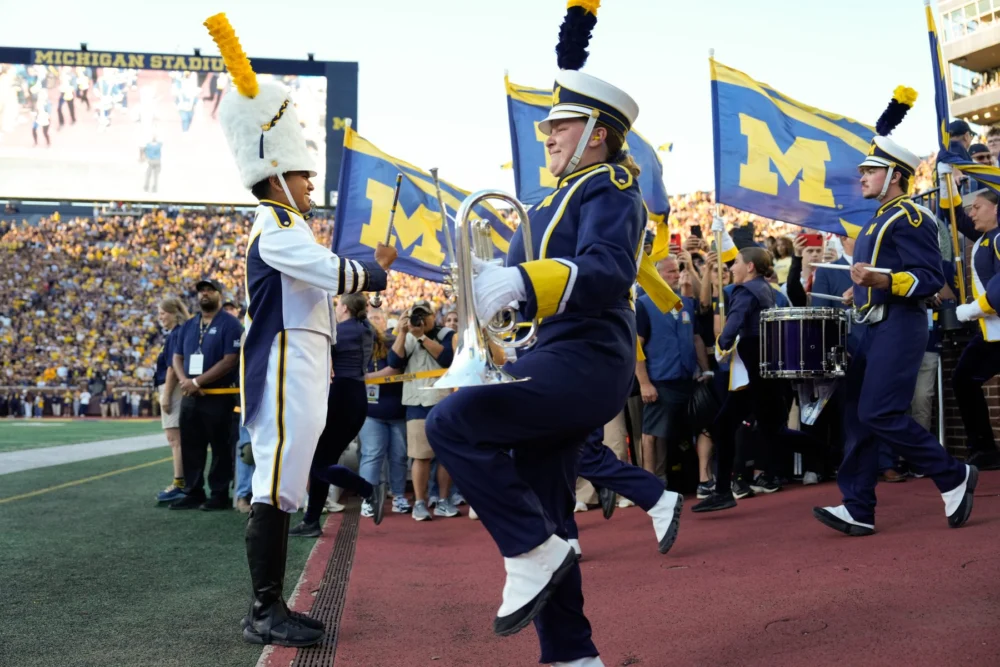
Composed in 1975 by Albert Ahronheim and his fellow student David Roth, "Let’s Go Blue" has become an indelible part of the University of Michigan’s athletic identity. The song is a staple at sporting events, particularly football games, and is widely recognized by fans and alumni. Its energetic and anthemic qualities have cemented its status as a beloved piece of college sports culture.
The university itself has a storied history with music and athletics, with its marching band renowned for its precision and performance. The "Let’s Go Blue" fight song is a key component of this legacy, fostering a sense of unity and school spirit among attendees at Michigan Stadium and other venues. The dispute over its licensing in a prominent video game highlights the complex interplay between creative works, copyright law, and commercial exploitation in the digital age.
Broader Implications for Music Licensing and Copyright
This lawsuit brings to the forefront the increasing complexities of music licensing in the booming video game industry. As games become more sophisticated and incorporate realistic audio-visual elements, the demand for popular music has surged. This creates lucrative opportunities for rights holders but also necessitates careful navigation of copyright laws and contractual agreements.
The involvement of termination rights further underscores a growing trend in the music business. Artists and their estates are increasingly exploring these provisions to regain control of their catalog, leading to high-profile legal battles and renegotiations of existing deals. The outcome of this case could have ripple effects, potentially influencing how similar disputes involving legacy compositions and their licensing in media are resolved.
For Electronic Arts, the removal of a well-known fight song from a highly anticipated sports title represents a significant setback. The College Football series, in particular, relies on authenticity and the inclusion of iconic elements that resonate with fans. The alleged interference by Ahronheim has deprived players of a familiar auditory experience within the game.

Next Steps in the Legal Battle
Albert Ahronheim was reportedly unavailable for comment at the time of the lawsuit’s filing. Electronic Arts also did not immediately respond to requests for comment. The case is expected to proceed through the federal court system, where the validity of Ahronheim’s termination notice and the extent of his copyright ownership will be scrutinized.
Theodore Presser and Carl Fischer aim to secure a definitive ruling that solidifies their ownership and recovers any financial losses incurred due to the disruption of the EA licensing agreement. The legal proceedings will likely delve into the nuances of copyright law, contractual obligations, and the specific historical context of the "Let’s Go Blue" composition. The resolution of this dispute will be closely watched by music publishers, songwriters, and the video game industry alike, as it touches upon critical issues of intellectual property rights and their commercial application.