Filmmaker Ian Purnell’s debut feature, Arctic Link, is set to make its world premiere at the Copenhagen International Documentary Film Festival (CPH:DOX) on Monday, March 16, offering an unparalleled cinematic exploration of the global internet’s physical infrastructure and its profound human impact on remote Alaskan communities. The documentary, a decade in the making, chronicles the monumental undertaking of laying thousands of kilometers of submarine fiber optic cable through the Arctic Ocean, connecting isolated regions to the digital world for the first time, while simultaneously delving into the nuanced perspectives of those involved in its creation and reception.
The Unseen Backbone of the Digital World
While much of the modern world perceives the internet as an ethereal cloud of data, an astonishing 99 percent of its traffic traverses the globe through a vast, intricate network of submarine fiber optic cables. These hidden arteries, critical to global communication, commerce, and culture, typically remain out of sight and out of mind. Arctic Link endeavors to pull back this veil, transforming the abstract concept of connectivity into a tangible, visceral experience. The film’s narrative follows a colossal ship as it deploys these vital cables into the dark, frigid depths of the sea, highlighting the immense scale and complexity of an operation that underpins contemporary life.
A Decade-Long Cinematic Journey
Purnell’s ambition to document this invisible infrastructure began more than ten years ago, fueled by his discovery of a world map illustrating the labyrinthine routes of submarine cables. This revelation gave the internet a "physical shape" in his mind, sparking an urgent desire to trace these hidden paths and meet the people responsible for building these crucial connections. The journey from concept to screen was fraught with significant challenges, demanding extraordinary patience and persistence from the filmmaker. Securing access to the specialized ships involved in cable laying proved to be an arduous process, requiring years of relationship-building with various companies. Discussions for Purnell to board vessels were repeatedly delayed or canceled due to unpredictable Arctic storms, shifts in cable project schedules, and the unprecedented global disruptions caused by the COVID-19 pandemic. Despite these setbacks, Purnell and his cinematographer, Marie Zahir, maintained "extremely flexible" schedules, ultimately overcoming the logistical hurdles to capture the monumental story of Arctic Link.
Connecting Remote Alaska: A Human Story
Beyond the technological marvel, Arctic Link anchors its narrative in the human experience, particularly focusing on the indigenous communities in remote Alaska poised to receive internet access. The film explores what this digital transformation means for islanders who have largely existed outside the always-on global network. Purnell emphasized the importance of being physically present in these remote villages to build genuine rapport with locals, a task made more challenging by the lack of existing internet connectivity. These efforts paid off, as Purnell found that conversations about the internet and its potential impact flowed organically. The Alaskan residents he encountered demonstrated a "wise perspective," understanding both the promises and potential pitfalls of widespread digital integration. They were not naive about the changes the internet would bring but possessed an insightful, somewhat detached viewpoint that is often lost on those deeply immersed in the digital world. The visible arrival of the cable-laying ship served as a potent symbol, prompting natural discussions among community members about their impending connection to the wider world.

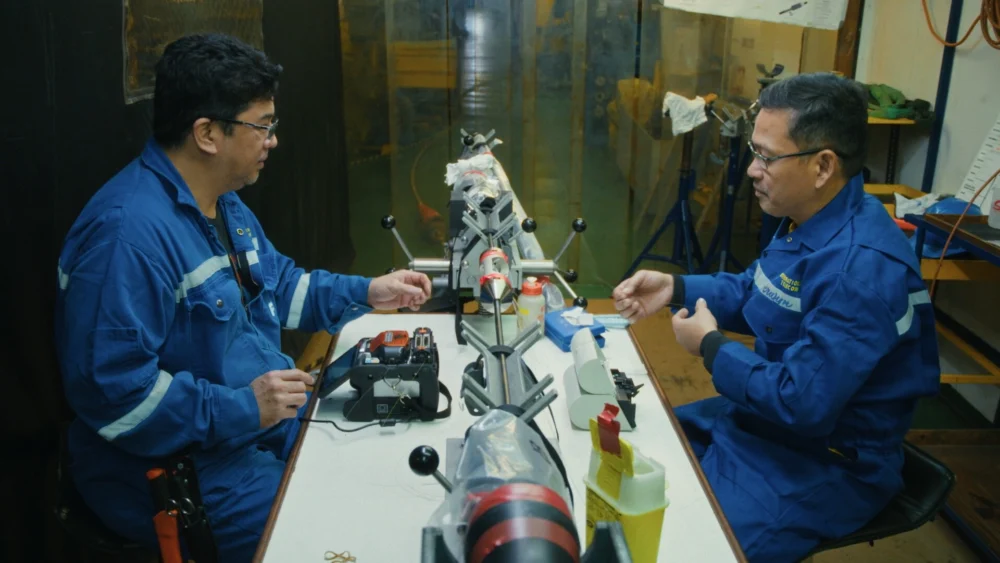
The human element extends to the diverse crew aboard the cable-laying ship. Arctic Link poignantly juxtaposes the grandeur of the technological endeavor with the personal isolation experienced by the ship’s predominantly Filipino crew members. Drifting for extended periods in remote waters, their mobile phones often serve as their sole, tenuous link to families and homes thousands of miles away. This contrast underscores the film’s commitment to keeping the "human scale" in view, even amidst the enormity of the project.
CPH:DOX Premiere and Critical Acclaim
The world premiere of Arctic Link at CPH:DOX, one of the most prestigious international documentary film festivals, marks a significant milestone for Purnell. The film has been selected for the festival’s main competition program, highlighting its artistic merit and compelling subject matter. CPH:DOX, now in its 23rd edition, is renowned for showcasing groundbreaking non-fiction cinema that challenges perspectives and sparks dialogue. The festival’s description of Arctic Link praises its colossal scope, noting that "Everything is enormous – from the massive cables to the images and phenomenal sound design – but the human scale never disappears from view." This recognition affirms the documentary’s unique blend of technological spectacle and intimate human storytelling.
Crafting the Visual and Aural Landscape
Purnell’s artistic vision for Arctic Link deliberately sought to break away from conventional representations of the internet, eschewing repetitive images of servers and keyboards. Instead, he aimed to create novel, surprising imagery that would evoke an emotional and sensual connection to the subject. The film achieves a distinct aesthetic by juxtaposing the high-tech mission with the "steampunk aesthetic" of the 1980s-built cable-laying ship, an industrial relic from an era predating the World Wide Web.
In collaboration with cinematographer Marie Zahir, Purnell developed an innovative approach to personifying the inanimate infrastructure. They often discussed how to make the colossal cables feel "alive," drawing parallels to living creatures. Purnell described these conversations as akin to zoological discussions, imagining the cable as a snake or comparing aspects of the ship to a whale or a monkey. This deliberate artistic choice allowed technical components to function almost as protagonists, fostering a deeper, more visceral engagement with the physical reality of data transmission. The phenomenal sound design by Tobias Koch further enhances this immersive experience, giving an auditory dimension to the largely invisible processes and environments depicted in the film. The core challenge for Purnell was to render the invisible visible, creating an imagery that not only documented the process but also stimulated imagination and generated a multitude of stories around this unseen network.
The Internet: Savior or Beast?
A central question posed by Arctic Link, as hinted in its trailer, is whether the internet will ultimately prove to be a "savior or a beast." This dichotomy reflects the complex reality of rapid digital integration, especially for communities new to widespread connectivity. On one hand, internet access promises transformative benefits: improved education through online learning resources, enhanced healthcare via telemedicine, new economic opportunities through e-commerce and remote work, and strengthened communication for families and communities. For remote Alaskan villages, these benefits could mitigate geographic isolation and bridge existing service gaps.

However, the film also implicitly explores the potential downsides. Rapid internet adoption can bring challenges such as cultural erosion, as traditional practices and local languages face competition from global digital trends. Concerns about digital addiction, privacy breaches, the spread of misinformation, and the deepening of internal digital divides within communities are also part of this complex equation. Arctic Link‘s emotional, rather than purely technological, approach allows for a nuanced exploration of these societal transformations, presenting a balanced perspective on the profound impact of the internet’s arrival.
Beyond the Horizon: Purnell’s Future Explorations
Despite the immense scale and decade-long commitment required for Arctic Link, Ian Purnell shows no signs of scaling back his ambitions. He is already embarking on research for his next project, delving into the realms of astronomy, particularly focusing on black holes. This choice reveals a consistent thematic thread in Purnell’s work: a fascination with making the invisible visible and exploring abstract concepts through tangible, cinematic means. Whether it is the global internet infrastructure or the enigmatic forces of outer space, Purnell remains captivated by "signals and waves" and the challenge of creating compelling imagery for phenomena that inherently resist visual capture. This consistent artistic pursuit underscores his unique contribution to documentary filmmaking, promising further explorations into the unseen wonders of our universe.
Arctic Link stands as a powerful testament to human ingenuity and the profound implications of global connectivity. As it premieres at CPH:DOX, the documentary invites audiences to contemplate not only the physical pathways of our digital lives but also the complex human stories woven into the fabric of an increasingly interconnected world. The film’s timely release serves as a crucial reminder of the internet’s omnipresence and the ongoing debate surrounding its role in shaping human society, offering a visually stunning and thought-provoking examination of an epic undertaking.