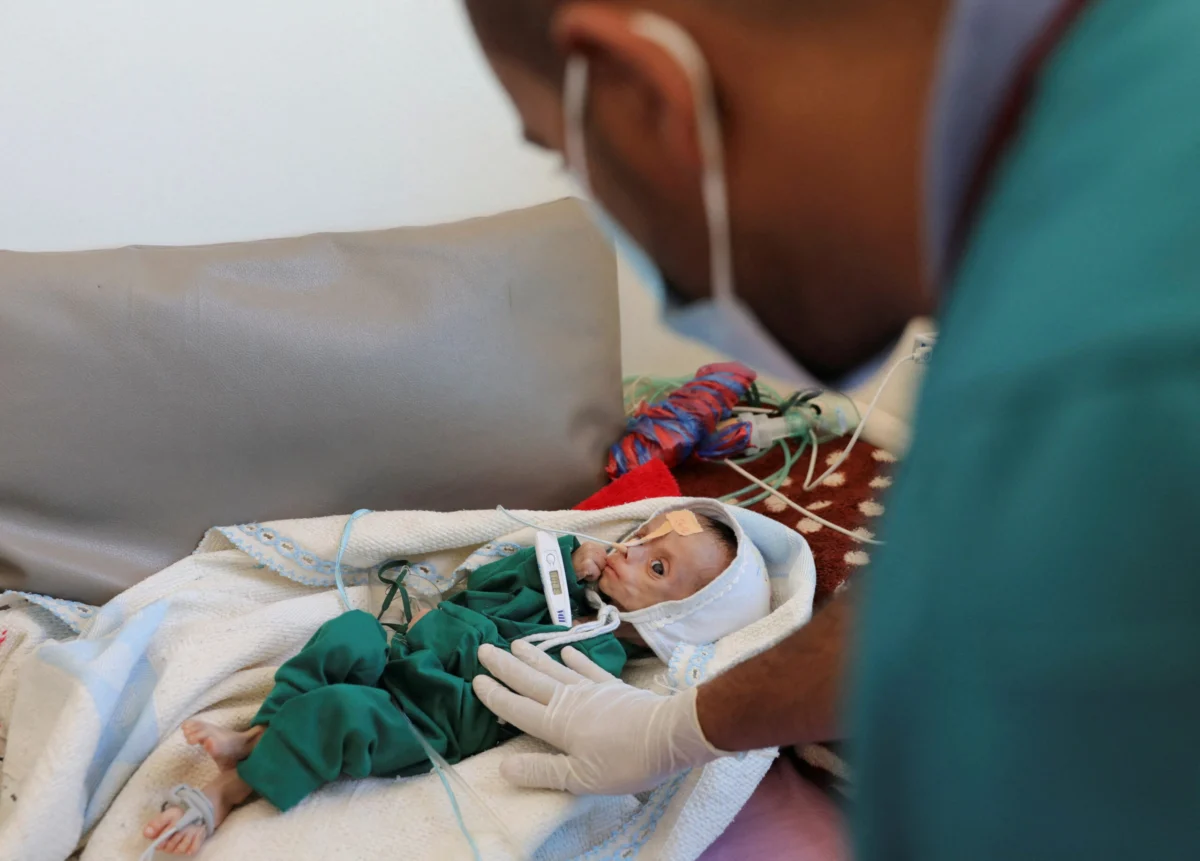
Amidst escalating global crises, a silent and catastrophic humanitarian emergency is unfolding in Yemen, with millions on the brink of starvation and international attention alarmingly scarce. Projections indicate that by early 2026, over half of Yemen’s population, an estimated 18 million individuals, will confront increasingly severe levels of food insecurity. This staggering figure is comparable to the entire population of the Netherlands facing widespread hunger, underscoring the immense scale of the crisis.
Recent assessments paint a grim picture of daily survival for Yemeni families. A comprehensive survey conducted last year by the International Rescue Committee (IRC) revealed that food was overwhelmingly identified as the most pressing need by nearly all respondents. The data further indicated that almost 80 percent of households are currently experiencing severe hunger, a reality that has become a pervasive aspect of life across the nation.
These on-the-ground findings are corroborated by the latest projections from the Integrated Food Security Phase Classification (IPC). These authoritative reports warn that an additional one million people are at imminent risk of slipping into IPC Phase 3 or higher, a classification that signifies life-threatening hunger. For these families, this means routinely skipping meals, incurring crippling debt, and selling off their most essential possessions – from precious jewelry and livestock to vital tools and even basic household items like cooking gas cylinders – simply to acquire food. This level of deprivation also dramatically increases the likelihood of acute malnutrition in children and transforms otherwise survivable illnesses into deadly threats.
The situation is projected to deteriorate further, with pockets of famine anticipated to emerge in four districts within the next two months, affecting over 40,000 people. This forecast represents Yemen’s most dire food security outlook since 2022, pushing many families to subsist on meager rations of bread and water. In a heart-wrenching testament to parental sacrifice, adults are increasingly foregoing meals so that their children can eat.
The devastating consequences of this widespread hunger are starkly visible in Yemen’s health facilities. Medical professionals are witnessing children severely weakened by malnutrition and nursing mothers, themselves suffering from malnutrition, struggling to provide sustenance for their infants. These scenes highlight the pervasive and intergenerational impact of food scarcity.
In these dire circumstances, hunger transcends mere lack of food; it represents a systemic shutdown of the human body. Parents are forced into desperate measures, stretching minuscule amounts of flour into thin flatbreads or diluting lentils to create a watery broth. These coping mechanisms have become commonplace in communities where soaring food prices and collapsed incomes have reduced many families to a single meal per day.
Yemen’s inherent vulnerability to food insecurity stems from its long-standing reliance on food imports. Historically, the nation has produced only a fraction of its own food, depending on international markets for approximately 80-90 percent of its staple grains. Years of protracted conflict and economic contraction have significantly exacerbated this structural weakness. The ongoing fighting has crippled people’s ability to cultivate their land or tend to livestock, forcing rural families to flee their fields and become internally displaced. Furthermore, the conflict has severely disrupted supply chains for essential commodities such as fuel, fertilizer, and seeds, further undermining agricultural productivity.
Adding to these man-made crises, climate change is playing an increasingly destructive role. Erratic rainfall patterns and rising global temperatures are further diminishing agricultural yields. Even in seasons with adequate rainfall, families report that severe water scarcity and degraded soil conditions make farming a perilous gamble. Without a stable security environment and functional markets, local food production is simply insufficient to meet the escalating needs of the population.
Yemen has been teetering on the brink of humanitarian catastrophe for an extended period. However, the current juncture is particularly perilous due to a severe reduction in the humanitarian funding that previously served as a critical, albeit fragile, safeguard against widespread disaster. The convergence of accelerating economic collapse, dwindling aid, recurrent climate shocks, and renewed military escalations is pushing millions of Yemenis closer to an irreversible crisis.
The stark reality of underfunding became acutely apparent by the end of 2025, with the humanitarian response in Yemen receiving less than 25 percent of its required funding – the lowest level in a decade. Lifesaving nutrition assistance, crucial for combating severe malnutrition, fared even worse, receiving only a meager 10 percent of the funds necessary to reach those in desperate need.
The International Rescue Committee has directly witnessed the immediate and devastating consequences of these aid cuts. As critical nutrition services were halted, the number of people reached by these programs plummeted by more than half. Therapeutic feeding centers and clinics were forced to close their doors, and admissions to medical facilities for severe acute malnutrition dropped significantly. This decline was not due to a decrease in the number of children requiring support, but rather a tragic absence of available treatment facilities.
The unfolding full-scale food security crisis in Yemen is not an inevitable outcome. Clear and actionable priorities exist to avert an even greater tragedy and set the nation on a path toward recovery.
To empower Yemeni families and enable them to regain their footing, immediate and substantial action from international donors is imperative. Firstly, donors must urgently restore and significantly scale up integrated food security and nutrition funding, with a particular focus on the most severely affected regions. Secondly, this funding must prioritize essential nutrition treatment for children and pregnant and breastfeeding women, ensuring an uninterrupted supply of ready-to-use therapeutic food, which is vital for treating acute malnutrition.
Beyond immediate relief, Yemen requires sustained support in developing robust, shared systems for monitoring food availability and population nutrition status. Such systems are crucial for the early detection of potential food security hotspots, enabling humanitarian actors to respond more swiftly and effectively in a coordinated manner.
The implementation of immediate, targeted donor action, coupled with strategic investments in proven humanitarian solutions like cash assistance for families at risk of malnutrition, can prevent widespread loss of life in the coming year. These interventions are not merely about providing temporary relief; they are about enabling communities to begin a genuine process of recovery. The window of opportunity to avert an even more profound humanitarian disaster in Yemen is closing, but it has not yet shut.