British Romanian filmmaker and academic Rachel Taparjan is set to world premiere her debut feature, Something Familiar, at the 23rd Copenhagen International Documentary Film Festival (CPH:DOX) on March 17. This deeply personal hybrid documentary navigates the complexities of overcoming trauma, reclaims narratives around Romanian adoption, and offers a profound exploration of identity and belonging within family systems. The film is entered into the festival’s main competition, marking a significant milestone for the emerging director.
Taparjan, a senior lecturer in social work at Teesside University in North East England, brings a unique interdisciplinary perspective to her filmmaking. While she has previously directed documentary shorts, Something Familiar represents her first foray into feature-length work, blending intimate personal narrative with a rigorous ethical framework. CPH:DOX, renowned as one of the world’s leading documentary film festivals, provides a prestigious platform for the film’s global introduction.
Unraveling a Shared Past
The documentary centers on Taparjan’s journey as she assists a woman named Mihaela in her search for her birth mother in Romania. Their path leads them to the orphanage where both women were adopted, a shared origin that becomes a catalyst for profound self-discovery. As Taparjan delves into Mihaela’s quest, she is inexorably drawn into her own family’s history, confronting a painful legacy of trauma that has silently influenced generations of women in her lineage.
This narrative structure allows Something Familiar to explore themes of absence, family bonds, and the enduring impact of trauma. However, the film goes beyond mere recounting, delving into the concept of self-authorship—the power to rewrite one’s own story and challenge pre-existing narratives. Taparjan questions whether individuals can indeed reshape familiar accounts, especially those deeply embedded in personal and cultural memory.
Innovative Storytelling and Production

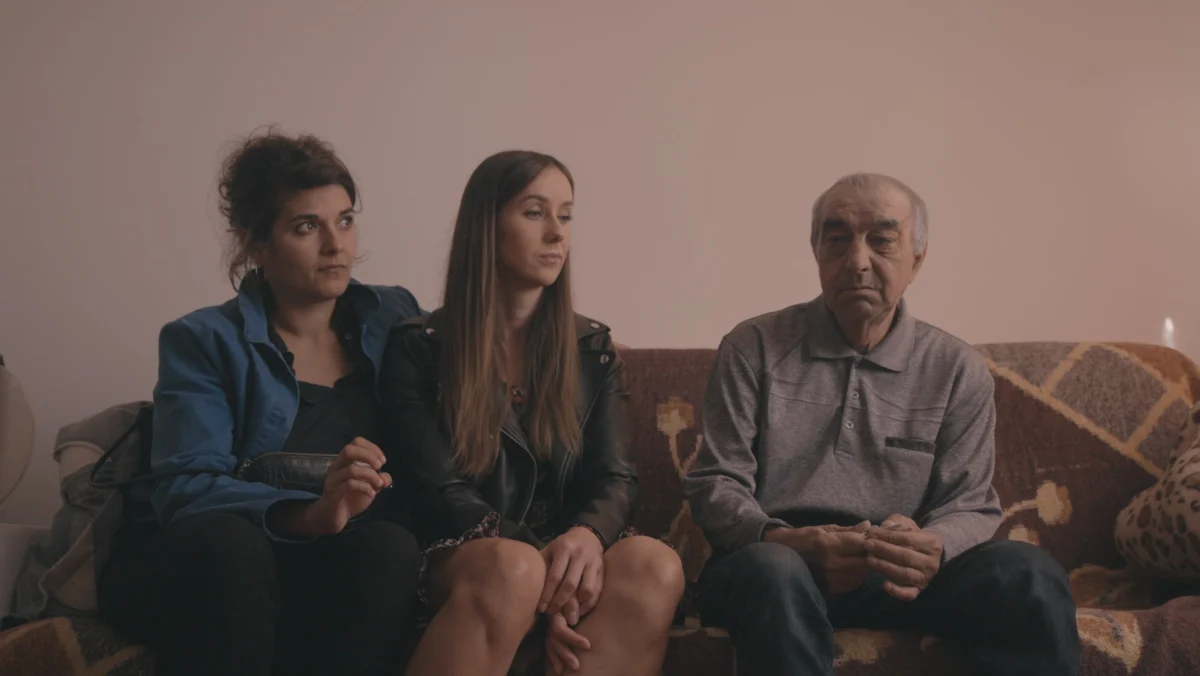
Taparjan employs a distinctive cinematic technique, interspersing the emotional journey through Romania with scenes where actresses are enlisted to portray her birth mother, whom she never knew. These staged conversations, featuring actresses seated opposite Taparjan, serve as a unique method for the filmmaker to engage with an absent maternal figure, exploring hypothetical dialogues and unspoken questions. This innovative approach aligns Something Familiar with a growing trend in hybrid documentaries that blur the lines between reality and staged performance to achieve deeper emotional truths.
The film’s production involved a dedicated international team. Monica Lăzurean-Gorgan and Elena Martin of Manifest Film in Romania, alongside Aleksandra Bilic of My Accomplice in the U.K., served as producers. Dermot O’Dempsey co-produced the project in association with Shudder Films. Cinematography was handled by Andrei Oană, while Alice Powell managed the editing. Stranger Films Sales is overseeing the film’s distribution and sales.
The Challenges of Dual Roles
In interviews leading up to the premiere, Taparjan has openly discussed the inherent challenges of being both the director and the subject of Something Familiar. She described the experience as a "unique challenge," akin to wearing "two hats" and navigating a constant "split psychological experience." As a first-time feature director, this dual role was compounded by the personal vulnerability required to disclose difficult aspects of her own life on screen.
Despite the complexities, Taparjan asserted that the process ultimately fortified her. She noted a progression from initial hesitancy, which she attributed to a combination of inexperience and perhaps gendered expectations, to a stronger sense of leadership in steering the film’s direction. Her academic background in social work significantly informed her approach, particularly regarding ethical considerations and the duty of care towards her subjects.
Pioneering Trauma-Informed Practice in Film
A cornerstone of Taparjan’s filmmaking philosophy for Something Familiar was the rigorous implementation of trauma-informed practice. Recognizing the profound sensitivity of the stories being told, especially those involving Mihaela and Taparjan’s own sister, the director insisted on robust support systems. This included engaging a psychological consultant to work with herself and Mihaela, and later, a qualified therapist to provide comprehensive support to her sister before, during, and after her interview.

Taparjan also pioneered an innovative technique to empower her sister during the filming process. They literally swapped seats, with her sister taking on the role of the interviewer, posing questions to Taparjan. This dynamic shift, while only briefly glimpsed in the final cut, was crucial in giving her sister agency and control over her narrative, a vital component of trauma-informed care. Taparjan advocates for the wider adoption of such practices in the documentary industry, emphasizing the ethical imperative to safeguard the well-being of individuals featured in films.
Deconstructing Intergenerational Trauma and Stigma
A central tenet of Something Familiar is its exploration of how trauma transcends individual experience, manifesting as an "intergenerational, almost mysterious, transmission" within families. Taparjan’s interest lies not only in this transmission but also in how these traumatic stories shape family systems and individual identities. She highlights the profound impact of cultural narratives on adopted individuals, particularly the stigmatization associated with the "Romanian orphan" label.
Taparjan forcefully challenges the prevailing Western media portrayals of Romanian adoption, which she describes as an "antagonist" in her creative process. She critiques the "white savior narrative" that often depicts Romania as a "gutter" and adoptive parents as saviors, arguing that such simplified portrayals mislabel children—many of whom were not orphans in the traditional sense, as their parents were still alive. This reductive framing, she contends, ignores the complex realities of human experience and the nuanced circumstances surrounding international adoptions.
A Hybrid Approach to Reclaim Narratives
Driven by a desire to counter these stereotypes, Taparjan deliberately infused Something Familiar with creativity, poetry, and playfulness. Her choice to employ a hybrid documentary style, influenced by acclaimed films like Four Daughters, Dick Johnson Is Dead, and Casting JonBenet, allowed her to explore these sensitive themes with a fresh perspective. She sought to inject an artistic sensibility rarely seen in documentaries about Romania, offering a multifaceted and deeply human portrayal that resists simplistic categorization.
The decision to "cast" actresses as her mother stemmed from a deeply personal insight. Taparjan realized that adopted individuals often fantasize about potential birth parents. This concept of "many mothers" became a powerful artistic device, allowing her to process her own maternal absence and, in her words, give herself "the gift of the feminine energy and the archetypal mother," a presence she felt was lacking in her own family’s history.

The film’s title, Something Familiar, replaced an earlier working title, One of Us, for its poetic resonance and multiple layers of meaning. It alludes to the familiarity of shared experiences, genetic connections, and the recurring patterns of trauma that can echo through generations, while also hinting at the surprising discoveries that emerge from confronting the past.
Balancing Vulnerability with Sovereignty
In addressing the darker elements of family trauma within the documentary, Taparjan carefully navigated the line between personal disclosure and self-preservation. She differentiated between "Rachel the character" and "Rachel the person," asserting the need for "some sovereignty" between the two. While acknowledging the narrative relevance of her own mirroring experiences to her sisters’ stories, she made a conscious choice to limit the depth of personal trauma depicted, refusing to "rake over every trauma in great detail." This ethical boundary setting underscores her commitment to compassionate storytelling, emphasizing the importance of "loving people around who are the memory" to support those who have endured significant trauma.
Something Familiar stands as a testament to Rachel Taparjan’s courage and innovative vision. By blending academic rigor with artistic expression, she not only delivers a compelling personal narrative but also contributes significantly to the discourse on ethical filmmaking, the complexities of adoption, and the enduring power of intergenerational healing. The film promises to resonate deeply with audiences, challenging perceptions and fostering a more nuanced understanding of identity, belonging, and the resilience of the human spirit.