Copenhagen, Denmark — The debut feature documentary, Where the Silence Is Heard, from directors Gabriela Pena and Picho García, is set to premiere at the 23rd Copenhagen International Documentary Film Festival (CPH:DOX) on Tuesday, March 17. The film offers an intimate and profound exploration of inherited trauma within a Chilean family, tracing the lingering effects of the General Augusto Pinochet dictatorship, exile, and decades of unspoken pain across three generations.
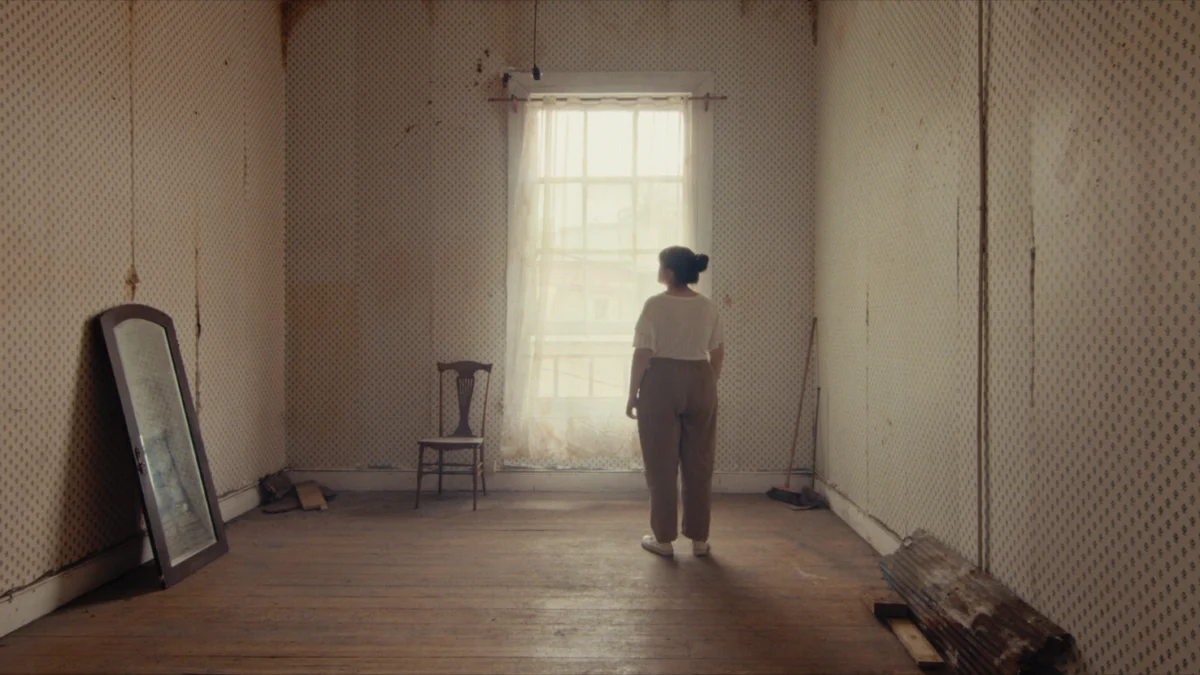
Pena, who also serves as the film’s protagonist, embarks on a deeply personal journey, returning to an abandoned family home in Chile. Her mission is to piece together fragmented memories and understand how profound emotions — love, fear, and silence — can be passed down through a lineage scarred by historical upheaval. The film, which is part of CPH:DOX’s Next:Wave program, is described by the festival as an "aesthetically beautiful story about inherited trauma" and "an original cinematic exploration of memories, identity, and what love really consists of when it is shaped by fear and absence."
Unearthing a Painful Legacy
The narrative centers on Pena’s quest to reconstruct her family’s history, a tapestry woven with threads of tenderness from her grandparents and the emotional distance of her Barcelona-based mother, who was forced into exile. This complex dynamic leads Pena to question how love can persist and endure when it has been fundamentally shaped by absence, fear, and the profound weight of silence. The abandoned house itself becomes a powerful metaphor, its renovation mirroring Pena’s effort to rebuild and understand her family’s emotional architecture.
The film’s evocative title, Where the Silence Is Heard, points directly to its central theme: the profound, often painful, nature of unspoken histories. The silence, a coping mechanism for a family enduring unspeakable loss and displacement, is simultaneously a source of lingering hurt that Pena seeks to articulate and understand.

The Shadow of Pinochet: A Nation’s Trauma
To fully grasp the depth of the trauma explored in Where the Silence Is Heard, it is essential to contextualize the historical events that plunged Chile into decades of turmoil. On September 11, 1973, General Augusto Pinochet led a military coup that overthrew the democratically elected government of President Salvador Allende. This marked the beginning of a brutal dictatorship that lasted until 1990. During Pinochet’s rule, thousands of perceived political opponents were arrested, tortured, disappeared, or executed. Hundreds of thousands more were forced into exile, scattering Chilean families across the globe.
The regime’s systematic repression and human rights abuses created a climate of fear that permeated every aspect of Chilean society. For families like Pena’s, the sudden rupture of exile meant leaving behind not just homes but entire lives, communities, and often, loved ones. This experience of forced displacement and the violence that preceded it left deep psychological wounds, many of which were never openly discussed, leading to the inherited trauma that the film so poignantly examines. The silence, in many cases, became a survival mechanism, but one that ultimately stifled emotional processing and healing for generations.
A Personal Journey Through Filmic Lens
The genesis of Where the Silence Is Heard began years before Pena consciously realized its ultimate purpose. At 18, while visiting Chile from Barcelona, where her mother had found refuge in exile, Pena discovered a handwritten notebook belonging to her grandfather. This notebook, later digitized and shared with family and friends, offered an "epic" and distinctly "masculine narrative" of her grandfather’s experiences. However, it was the brief contributions from her grandmother within the same notebook, detailing "his absence and the kids and the waiting," that profoundly resonated with Pena, hinting at the emotional landscape the film would later explore.
Years later, in her early twenties, Pena returned to live with her grandparents in Chile, a period during which the events depicted in the film organically unfolded. She began recording these moments, gradually recognizing the profound story unfolding around her. Picho García, her partner in both life and creative endeavors, joined her, lending his expertise to the reconstruction of the old house and the filming process. The collaboration between Pena and García became integral to navigating the project’s deeply personal terrain.
Pena describes the filmmaking process as a "slow discovery," with a pivotal epiphany occurring when she became pregnant with their child. It was then that she understood the deeper meaning of her efforts: "this old house was basically about me trying to go back to my mother’s uterus, trying to find this connection that was lost because she was in so much unresolved internal pain." This realization transformed the film into an exploration of her own relationship with her mother, framed by the historical wounds that had created emotional distance.

The Intergenerational Weight of Silence
The film delves into the complex psychological concept of intergenerational trauma, a phenomenon where the psychological and physiological impacts of traumatic experiences are passed down through families, even to those who did not directly experience the original event. For Pena, her family’s history of exile and silence manifested as her mother’s "emotional distance" and "unavailability." Through the making of the film, Pena came to understand that this was not a reflection of her own "insufficiency," as she had once believed, but rather a consequence of her mother being "trapped in what happened in her childhood," including the abrupt departure from Chile and the painful separation from her boyfriend.
This understanding represents a critical step in breaking the cycle of inherited trauma. Pena, now a mother herself, expresses a deep commitment to ensuring that this pattern of unresolved pain does not continue into the fourth generation, her son. This personal urgency adds a powerful layer to the film’s narrative, transforming it from a mere recounting of history into an active pursuit of healing and reconciliation.
García, as co-director and Pena’s life partner, provided crucial support throughout this arduous process. Their established creative partnership, which included a previous short film titled Familia, allowed for a deep level of trust and vulnerability. García’s presence enabled Pena to delve into her "inherited wounds" with the assurance of a loving and patient collaborator. He also brought a distinct perspective to the project, as his own family remained in Chile during the dictatorship, offering a different lens on the nation’s shared, yet varied, historical experience.
Crafting an Intimate Political Narrative
Pena and García deliberately chose to prioritize the intimate family narrative over explicit political commentary. They expressed a desire to avoid "politicizing intimacy," focusing instead on the vulnerable truths unfolding within the "four walls" of the family home. This approach, while challenging to balance during the editing process, aimed to demonstrate the profound personal impact of political events without resorting to overt political statements.
The co-directors hoped that the film’s political message would emerge organically from the deeply personal experiences it portrays. "I hope that it’s a political film, but it’s not explicit," Pena noted, highlighting their intent to let the emotional and human cost of the dictatorship speak for itself, rather than through didactic exposition. This subtle integration of politics into the fabric of a family’s story allows for a more universal resonance, inviting viewers to connect with the emotional truths regardless of their specific historical context.

The Filmmakers’ Partnership and Future
The collaboration on Where the Silence Is Heard marked a significant period of personal and professional growth for Pena and García. García reflected on their journey, stating, "We became adults. It’s been a lot of putting [things] on the table, experiencing a lot of vulnerability, and we have been able to help each other a lot to feel comfortable." Their dynamic is characterized by complementary strengths: Pena describes herself as "more ethereal, poetic and abstract," while García brings "strong ideas and [the eye for the] concrete, practical stuff." This balance allowed them to navigate the complexities of a project so deeply rooted in personal history.
Following the film’s premiere and the intense six-year journey of its creation, the couple, who recently relocated to Barcelona, are currently prioritizing their family life. Instead of immediately embarking on another major film project, their creative energy is dedicated to raising their son. "That project is our son right now," García shared, emphasizing the beauty and importance of this phase, especially in the context of their film’s theme of breaking cycles of inherited trauma for the next generation.
A Premiere of Healing and Recognition
The CPH:DOX premiere in Copenhagen holds significant emotional weight, not just for the filmmakers but for Pena’s mother. It will be the first time she sees the documentary, a moment Pena anticipates will be deeply moving. Pena believes her mother "will cry a lot, which is good. And she will feel seen — by me and by other people." The premiere will also include a meet-up with a group of Chilean exiles, creating a space for collective recognition and shared experience.
This gathering underscores the broader impact of Where the Silence Is Heard. The film offers a powerful narrative not only for Pena’s family but for the countless Chilean families who endured similar experiences of displacement, loss, and the silent burden of history. By bringing these stories into the light, Pena and García contribute to a crucial dialogue about historical memory, the pathways to emotional healing, and the enduring human capacity to find love and understanding even amidst profound pain. The film serves as a testament to the courage required to confront a difficult past in pursuit of a more peaceful future for generations to come.