Australia’s automotive landscape is undergoing a historic transformation as hybrid car sales rev up and internal combustion engine vehicles fall to their lowest market share on record. Data released Monday by the Australian Automobile Association (AAA) indicates a decisive shift in consumer behavior, with nearly one in five new car buyers opting for petrol-electric hybrids in the final quarter of 2025. This surge in low-emission vehicle adoption coincides with escalating global fuel volatility and a high-stakes geopolitical drama involving members of the Iranian women’s national football team.
The shift toward electrification is no longer a niche trend but a dominant market force. In the fourth quarter of 2025, Australian consumers purchased 55,458 new hybrid vehicles, representing 19.13% of all new light vehicle sales. This figure shattered the previous record of 16.7% set just over a year prior. When combined with plug-in hybrid electric vehicles (PHEVs), which secured a 5.32% market share, the data suggests that over a quarter of the Australian new car market is now powered by some form of hybridized drivetrain.
Hybrid Car Sales Rev Up as Petrol Dominance Erodes
The rise of the hybrid comes at the direct expense of traditional internal combustion engine (ICE) vehicles. For the first time in Australian history, petrol and diesel-only vehicles have seen their market share plummet to a record quarterly low of 66.3%. This is a significant drop from the nearly 70% share held in the previous quarter, signaling that the "petrol-only" era is receding faster than many industry analysts predicted.

While battery-electric vehicles (BEVs) saw a slight dip in momentum—falling from a 9.7% market share to 9.25% in the final months of 2025—the broader trend remains one of electrification. Industry experts suggest that the surge in hybrid sales reflects a pragmatic middle ground for Australian drivers who are wary of charging infrastructure but eager to insulate themselves from soaring fuel costs. Hybrids have now outsold pure battery-electric vehicles for 10 consecutive quarters, asserting their position as the preferred transition technology for the Australian public.
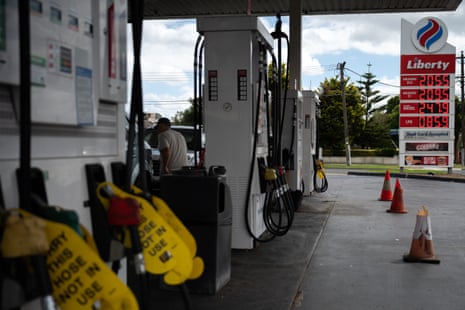
This transition is being accelerated by external economic pressures. The Australian government recently announced the release of nearly 20% of its strategic fuel stockpile to combat rising prices at the pump. This move, triggered by instability in the Middle East and global supply chain disruptions, has highlighted the vulnerability of traditional fuel sources. As petrol prices remain high and unpredictable, the cost-saving appeal of hybrid technology has become a primary driver for household purchasing decisions.
Geopolitical Pressure Mounts as Iranian Athletes Refuse Asylum
While the domestic economy grapples with energy transitions, a complex humanitarian situation continues to unfold at Australia’s borders. The Australian government confirmed Monday that a fifth member of the Iranian women’s national football squad has departed the country, effectively withdrawing her claim for asylum. This follows a high-profile incident during the recent Asian Cup, where Australia initially granted humanitarian visas to seven members of the Iranian delegation, including players and a handler.
The decision of these athletes to return to Tehran, despite being granted legal protection in Australia, has sparked intense debate regarding the "context" and "pressure" faced by international figures from restrictive regimes. Minister for Home Affairs Tony Burke stated that the players were given repeated opportunities to discuss their options and the protections available to them. However, the government acknowledged that it cannot fully mitigate the external influences—including concerns for family members remaining in Iran—that weigh on such life-altering choices.

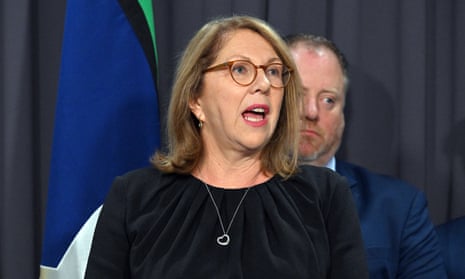
Minister for Infrastructure Catherine King echoed these sentiments, describing the choices faced by the women as "incredibly hard and very, very difficult." King emphasized that while Australia is proud to offer a choice to those seeking refuge, the reality of transnational pressure often complicates the asylum process. The departure of the fifth team member leaves only a small fraction of the original group in Australia, raising questions about the long-term viability of asylum offers for visiting athletic teams when their families remain within reach of the home government.
Energy Security and the Release of Strategic Fuel Reserves
The intersection of automotive trends and international relations is most visible in Australia’s current energy policy. Minister King maintained on Monday that the nation remains well-prepared to withstand the ongoing turmoil in the Middle East, which has sent shockwaves through global oil markets. To stabilize domestic prices and ensure continuity of supply, the federal government has tapped into its minimum stock obligation reserves.
According to the latest government audit, Australia currently holds 37 days of petrol, 30 days of diesel, and 29 days of jet fuel in reserve. "We’ve been conscious for a long period of time that fuel security is a significant issue for Australia, given how reliant we are on overseas markets," King told reporters. The decision to release nearly one-fifth of the national stockpile is a rare intervention, intended to provide a buffer against the "volatility of the global world."
This energy insecurity provides the backdrop for why hybrid car sales rev up across the continent. For many Australians, the shift to a hybrid or electric vehicle is no longer just an environmental statement; it is a defensive economic move. As the government manages a finite supply of imported fuel, the incentive for consumers to reduce their reliance on the petrol pump has never been higher.
Australian Talent Shines at the 98th Academy Awards
In a sharp contrast to the somber news of fuel shortages and asylum withdrawals, the Australian cultural sphere is celebrating a landmark morning at the 98th Academy Awards in Los Angeles. Sydney-born actor Rose Byrne has emerged as a focal point of national pride, entering the ceremony as a top contender for Best Actress. Byrne’s performance in the independent film If I Had Legs I’d Kick You has already garnered her four major pre-Oscar awards, including a Golden Globe.
Byrne is joined by fellow Australian Jacob Elordi, who is nominated for Best Supporting Actor, and legendary musician Nick Cave, who received a surprise nomination for Best Original Song. The presence of these Australians at the Dolby Theatre underscores the "prestige power" the nation continues to wield in the global entertainment industry. Hosted by Conan O’Brien, the 98th Oscars are expected to be a career-defining moment for several Australian stars, further cementing the country’s reputation as a prolific exporter of elite creative talent.
The awards ceremony provides a momentary distraction from domestic challenges, but even in Hollywood, the presence of Australian actors serves as a reminder of the nation’s interconnectedness with the global stage—whether through cinema, sport, or the automotive technologies that power their commutes.
Domestic Security and the Sydney Olympic Park Shooting
Amid these national and international developments, a localized tragedy has shaken the Sydney metropolitan area. Early Monday morning, emergency services responded to reports of a shooting at an apartment complex near Sydney Olympic Park. A man was found suffering from multiple gunshot wounds shortly after 4:00 a.m. local time. Despite the efforts of paramedics to revive him, he was pronounced dead shortly after arriving at a nearby hospital.
The shooting has prompted a large-scale police investigation, with forensic teams cordoning off the area. While authorities have not yet confirmed a motive, the brazen nature of the attack in a high-density residential and sporting precinct has raised concerns about public safety and organized crime. The incident adds a layer of domestic urgency to a day already dominated by significant shifts in economic and foreign policy.
A Nation in Transition
As Monday progresses, Australia finds itself at a crossroads of several major transitions. The data showing that hybrid car sales rev up indicates a permanent shift in the national economy and consumer values. The declining dominance of the internal combustion engine is a clear signal that the Australian public is preparing for a future defined by energy independence and lower emissions, even as the government manages the immediate fallout of global oil instability.
Simultaneously, the situation regarding the Iranian football team serves as a stark reminder of the complexities of international humanitarian law in the 21st century. The withdrawal of asylum claims by athletes who have been granted protection highlights the invisible borders that regimes can enforce through pressure and intimidation, even thousands of miles away.
From the red carpets of Hollywood to the fuel depots of Melbourne and the suburban streets of Sydney, Australia is navigating a period of profound change. The record-breaking sales of hybrid vehicles and the release of strategic fuel reserves are two sides of the same coin: a nation attempting to insulate itself from a volatile world while rewriting its own economic and cultural narrative. As the 98th Academy Awards conclude and the investigation into the Sydney shooting continues, the focus remains on how these disparate events will shape the country’s trajectory in the coming months.