Pentagon Chief Pete Hegseth issued a direct and stern warning to the Iranian leadership on Thursday, asserting that the United States is "watching you" while diplomatic mediators scramble to extend a high-stakes ceasefire in the ongoing Middle East crisis. Speaking from Washington, D.C., the Defense Secretary told the Iranian regime that American military capabilities are only growing stronger as Tehran attempts to recover from recent kinetic strikes on its infrastructure. Hegseth’s remarks come at a pivotal moment as the international community watches a complex web of naval blockades, diplomatic back-channels, and escalating rhetoric that threatens to plunge the region back into a state of total war.

"While you are digging out of bomb-hit facilities, we are only getting stronger," Hegseth stated during his morning address. Addressing the Iranian leadership directly, he noted that any attempt by the regime to "move things around" would only further expose them to the "watchful eye" of U.S. intelligence and military assets. Hegseth also challenged Tehran’s long-standing claims regarding its maritime dominance, specifically targeting their rhetoric concerning the Strait of Hormuz. "You like to say publicly, Iran, that you control the Strait of Hormuz, but you don’t have a navy," the Pentagon chief added, characterizing Iran’s threats to commercial shipping not as military control, but as "piracy."
The Defense Secretary’s address served as an update on the broader U.S. strategy, which includes a persistent naval blockade of Iranian ports. Hegseth informed the press that the U.S. is "reloading with more power than before," offering Tehran a choice between resolving the conflict "the easy way or the hard way." While acknowledging that Iran’s energy industry has not been fully destroyed "yet," he emphasized that the U.S. blockade would remain in place "for as long as it takes." Hegseth also took a moment to criticize what he termed the "legacy press," accusing domestic media outlets of a lack of patriotism during the current military campaign.
Escalating Tensions and the Middle East Crisis Blockade
The Middle East crisis has reached a fever pitch in the Persian Gulf, where the U.S. Central Command (CENTCOM) is currently enforcing a naval blockade that went into effect on Monday evening. This move was a direct response to Iran’s near-total closure of the Strait of Hormuz at the onset of hostilities. CENTCOM officials reported that they successfully prevented 10 vessels from departing Iranian ports during the first 48 hours of the operation. However, maritime tracking data suggests a more porous situation, with at least three ships successfully crossing the strait, though several others reportedly turned back after being intercepted.
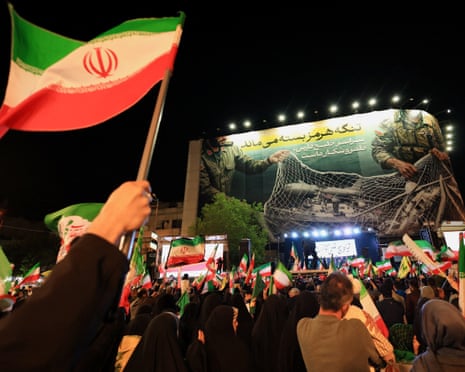
In Tehran, the response to the American blockade has been one of defiance and aggression. Mohsen Rezaei, a former commander-in-chief of the Islamic Revolutionary Guard Corps (IRGC) and current military adviser to Mojtaba Khamenei, warned that Iran is prepared to sink American vessels. Speaking on state television, Rezaei claimed that Iranian launchers are "now locked onto the ships" and threatened to take American soldiers hostage if they attempted a ground incursion. Rezaei suggested that the regime would demand "one billion dollars for each captive," reflecting a hardening of the Iranian position as the deadline for the current ceasefire approaches.
Rezaei further stated that extending the current truce is not in Iran’s interest, arguing that "pressures must be intensified." He dismissed the U.S. attempts to "police" the Strait of Hormuz, insisting that a ceasefire would only be valid once all of Iran’s "agreements and rights" are met. This internal pressure from the Iranian military establishment complicates the efforts of diplomatic mediators, such as Pakistan, who are working to find a middle ground before the fragile agreement expires next week.
Diplomatic Confusion Amid the Middle East Crisis in Lebanon
While the U.S. and Iran trade threats, a secondary front in the Middle East crisis continues to simmer along the border between Israel and Lebanon. Conflicting reports emerged Thursday regarding potential high-level talks between Israeli Prime Minister Benjamin Netanyahu and Lebanese President Joseph Aoun. President Donald Trump sparked a wave of speculation with a post on Truth Social, claiming that the two leaders would speak for the first time in 34 years to find "breathing room" for the region.
Despite the President’s optimism, Lebanese officials have publicly maintained that they are "unaware of any planned contact" with the Israeli side. Joseph Aoun, the Lebanese President, issued a statement stressing that a comprehensive ceasefire is the "natural starting point" for any direct negotiations. He emphasized that Lebanon is keen to end the targeting of "innocent and defenseless people" and the destruction of southern villages. Crucially, Aoun noted that any negotiations would be conducted "solely by the Lebanese authorities," a move seen as an attempt to sideline the Iran-backed Hezbollah group from the diplomatic process.
The diplomatic situation remains fluid, as Lebanese TV channel Al Jadeed reported that U.S. Secretary of State Marco Rubio is attempting to facilitate a three-way call between himself, Netanyahu, and Aoun. Rubio previously hosted the first face-to-face talks between Israeli and Lebanese officials in decades earlier this week in Washington. While Israeli Security Cabinet member Galia Gamliel told local radio that the call would happen "today," the lack of official confirmation from Beirut highlights the deep-seated mistrust and the logistical difficulties of establishing a formal dialogue after decades of total disconnect.
Humanitarian Impact and Military Operations in Southern Lebanon
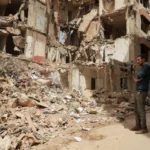
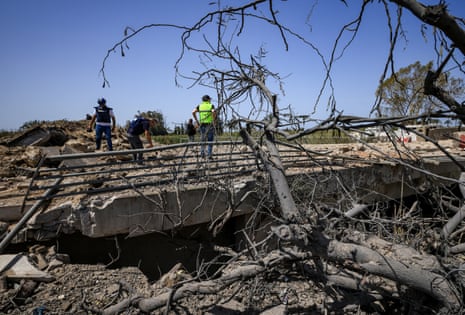
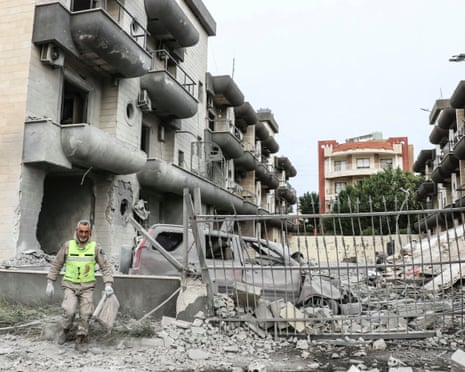
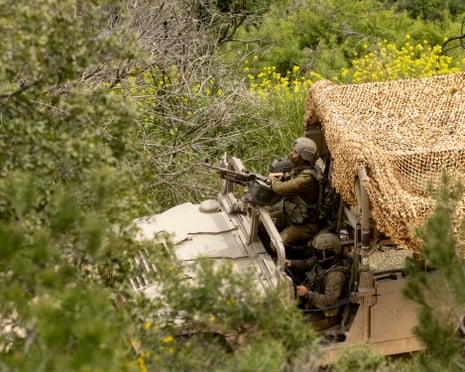
The human cost of the Middle East crisis is most visible in southern Lebanon, where the Israel Defense Forces (IDF) have intensified their aerial campaign. On Thursday, an Israeli airstrike completely destroyed the Qasmiyeh Bridge over the Litani River, severing the final remaining land artery connecting the south to the rest of the country. The IDF had previously targeted the bridge in late March, alleging that Hezbollah used the route to transport fighters and munitions. The destruction of this infrastructure has left thousands of civilians with limited options for evacuation as the Israeli military issues repeated warnings for residents to flee north of the Zahrani River.
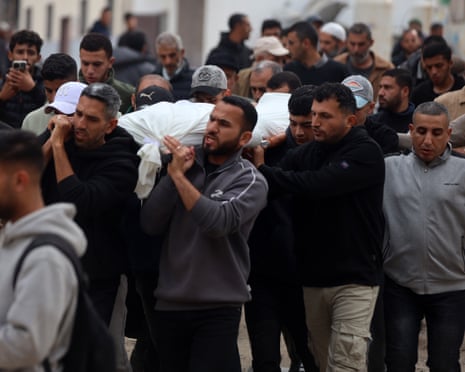
The violence has also taken a toll on first responders. Reports from southern Lebanon confirmed that four rescue workers were killed and six others wounded in consecutive Israeli strikes in the village of Mayfadoun on Wednesday. This escalation occurs even as the Israeli Security Cabinet meets to discuss the possibility of a truce. Prime Minister Netanyahu has signaled that despite the talks, the military remains prepared to "overwhelm" Hezbollah strongholds, specifically naming the town of Bint Jbeil as a primary target.
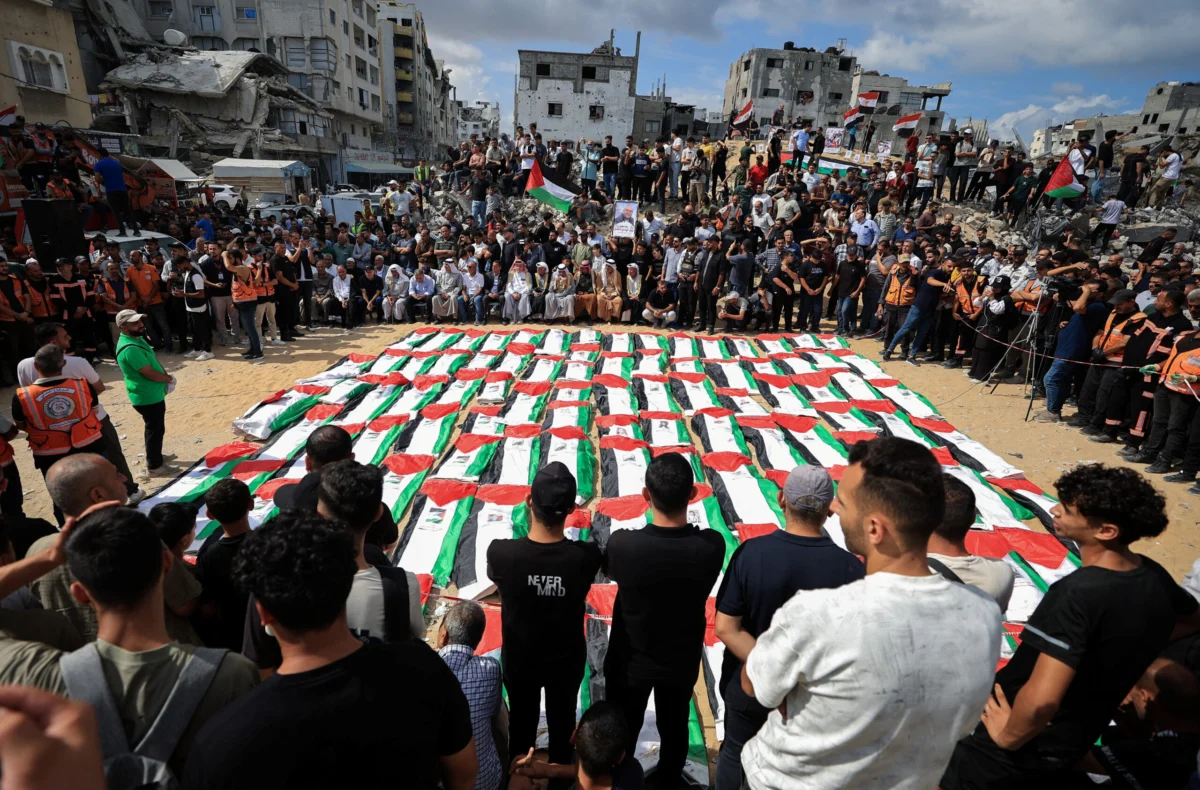
The displacement of civilians continues to grow, with families seeking shelter in tents across Beirut’s southern suburbs. Images from the region depict a stark contrast between the geopolitical maneuvering of world leaders and the daily struggle of children chasing bubbles in displacement camps. The destruction of homes and the loss of civilian life have drawn sharp criticism from international humanitarian organizations, who warn that the window for a peaceful resolution is rapidly closing.
Global Economic Consequences of the Middle East Crisis
Beyond the immediate theater of war, the Middle East crisis is triggering a global economic ripple effect. In Europe, officials are drafting emergency plans to address a looming jet fuel supply crunch. European airlines have warned that they may face shortages within weeks, as the continent relies on the Middle East for approximately 75% of its jet fuel imports. The European Commission is expected to introduce measures on April 22 to map refining capacity and ensure that existing facilities are fully utilized to prevent travel disruptions ahead of the summer season.
Energy markets have remained volatile, with the U.S. Treasury Department announcing tightened sanctions against Iran’s oil industry. The new measures target the shipping network of Mohammad Hossein Shamkhani, a prominent petroleum magnate, affecting more than two dozen individuals, companies, and vessels. In response to the U.S. blockade and recent Israeli strikes on production hubs, Iran has reportedly suspended all petrochemical exports to prioritize its domestic supply, further tightening global markets.
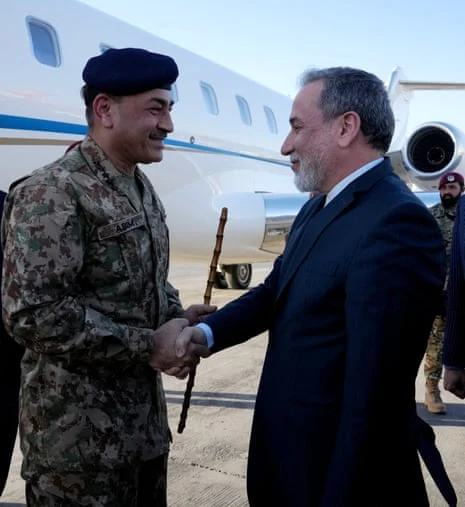
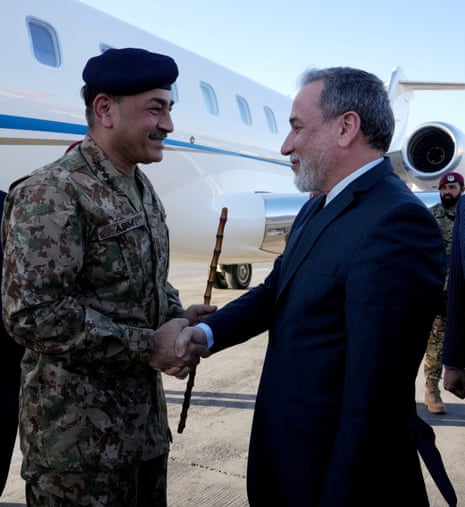
Despite these pressures, Asian stock markets showed signs of optimism on Thursday. Indices in Tokyo, Seoul, and Hong Kong mostly gained as investors gambled on the possibility of a ceasefire extension. This market behavior reflects a desperate hope that the mediation efforts led by Pakistan’s Army Chief, Asim Munir, will yield a second round of productive talks in Islamabad. While Munir’s visit to Tehran reportedly reduced some differences, fundamental disagreements over Iran’s nuclear program and highly enriched uranium remain major hurdles to a lasting peace.
The Papal Intervention and Political Feuds
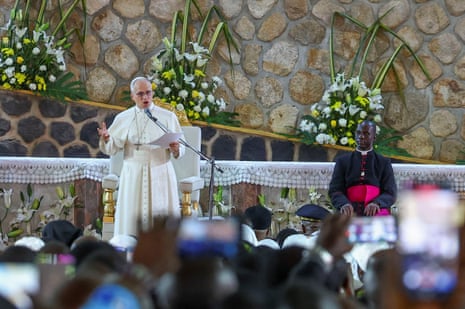
The Middle East crisis has also drawn the attention of the Vatican, leading to a public rift between the Holy See and the White House. During a tour of Africa, Pope Leo XIV used a speech in Cameroon to decry leaders who use religion to justify military aggression. "Woe to those who manipulate religion and the very name of God for their own military, economic, and political gain," the Pope said, in remarks widely interpreted as a rebuke of Pete Hegseth’s frequent use of religious rhetoric and calls for "prayer in Jesus’s name" regarding military violence.
President Trump responded to the Pope’s comments on social media, labeling the pontiff "weak on crime" and "terrible for foreign policy." This exchange has sparked condemnation from the international community, including Italian Prime Minister Giorgia Meloni, and has alienated some Catholic voters in the United States. The Pope’s criticism of the "billions of dollars spent on killing and devastation" while resources for education and healing remain scarce highlights the growing moral and ethical debate surrounding the U.S. involvement in the conflict.
As the week progresses, all eyes return to Washington, where Hegseth and General Dan Caine are scheduled to hold a press conference on "Operation Epic Fury." The briefing is expected to provide further details on the U.S.-Israel joint military operations and the status of the blockade. With the ceasefire set to expire and rhetoric sharpening on all sides, the Middle East crisis remains at a knife-edge, with the potential for either a historic diplomatic breakthrough or a catastrophic return to open warfare.