HAVANA – Cuba’s national power grid suffered a complete collapse on Monday, plunging the entire island nation of approximately 10 million residents into darkness. The widespread outage occurred amidst a severe and escalating oil blockade imposed by the United States, which has significantly curtailed fuel imports and exacerbated an already dire humanitarian crisis. The Union Nacional Electrica de Cuba (UNE), the state-owned electricity company, confirmed the nationwide blackout and stated that crews were working around the clock to assess the damage and restore power flows.
The exact cause of the "complete shutdown of the national grid" is under investigation by UNE. However, the timing and circumstances strongly indicate a direct link to the crippling shortage of fuel, a consequence of intensified U.S. pressure on international oil suppliers. This is not an isolated incident but the latest in a series of escalating disruptions stemming from a concerted U.S. campaign aimed at isolating and destabilizing the communist government.
Intensifying U.S. Sanctions and Fuel Shortages
The current crisis is rooted in a stepped-up U.S. policy targeting Cuba’s access to vital resources, particularly oil. Since early January, Cuba has experienced a drastic reduction in oil shipments, with no significant imports recorded since January 9th. This abrupt halt follows a broader U.S. strategy to exert maximum pressure on Havana, a policy that has been in place for decades but has seen renewed vigor under the current administration.
Reports from Reuters, citing SEG ship-tracking data, indicate that Cuba has received a mere two small vessels carrying oil imports throughout the entire year. This meager supply stands in stark contrast to the island’s substantial energy needs, which are largely met through imports. The U.S. government has openly acknowledged its objective of regime change in Cuba, viewing the current economic hardships as a means to foment popular discontent and ultimately undermine the ruling Communist Party.
Venezuela’s Role and U.S. Diplomatic Pressure
A critical element in the current oil blockade involves Venezuela, a key ally and traditional supplier of crude oil to Cuba. Following recent political developments in Venezuela, specifically what the U.S. has termed the "military abduction" of opposition leader Nicolás Maduro, the Venezuelan interim government, led by Delcy Rodriguez, reportedly agreed to significantly curtail oil shipments to Havana. This decision, allegedly made under duress or as a strategic maneuver, has had immediate and devastating consequences for Cuba.
The United States has not been passive in its efforts to prevent other nations from aiding Cuba. President Donald Trump has explicitly threatened sanctions against countries, including Mexico, that attempt to deliver fuel to the island. This aggressive diplomatic posture underscores the administration’s commitment to isolating Cuba economically and politically, using its considerable leverage on the international stage to enforce its blockade.
The Impact of the Blackout on Daily Life
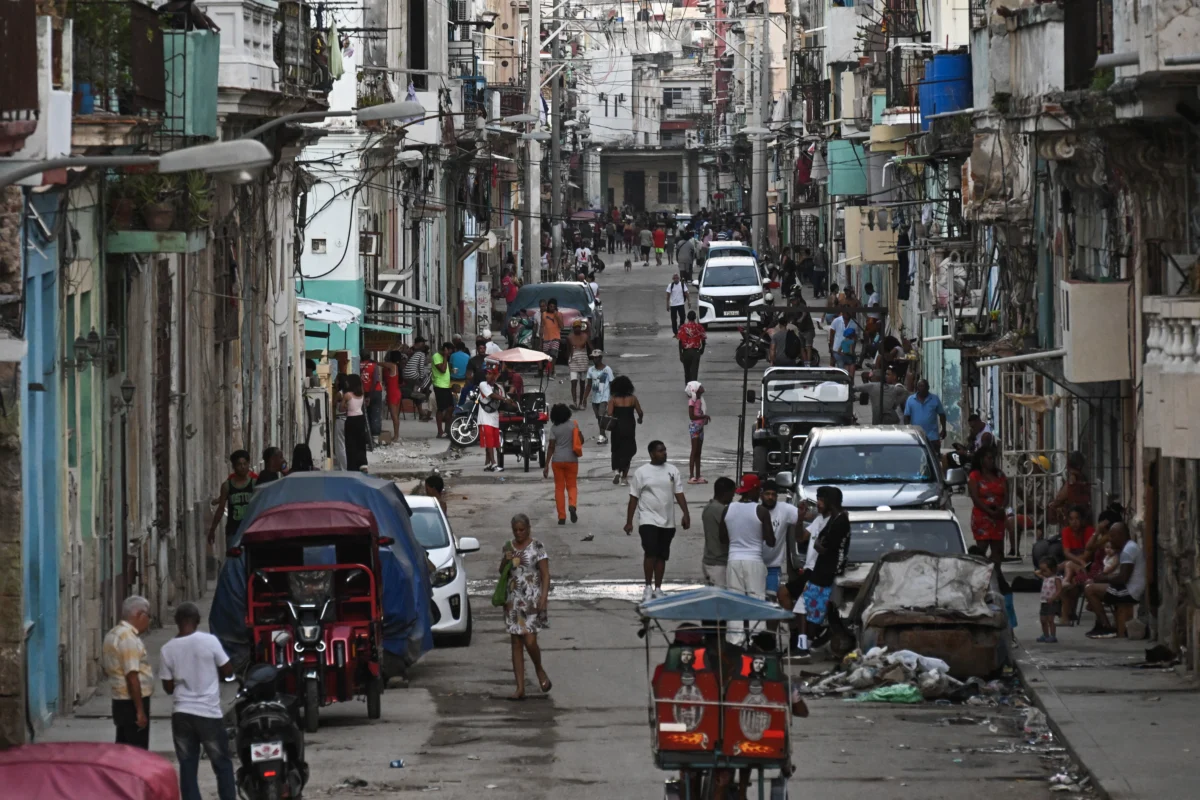
The national blackout has plunged Cuba into a state of widespread disruption, impacting every facet of daily life for its 10 million inhabitants. The absence of electricity cripples essential services, including water supply, telecommunications, and healthcare. Hospitals, already struggling with shortages of medicines and equipment due to the long-standing U.S. trade embargo, now face immense challenges in maintaining critical care without reliable power.
Businesses have been forced to cease operations, leading to a further decline in economic activity. Homes are left without lighting, refrigeration, and the ability to cook. The prolonged darkness and lack of basic amenities create an environment of heightened anxiety and hardship for families across the island. This widespread power outage is a direct and tangible manifestation of the humanitarian crisis that rights groups have warned about for years.
Precedent of Power Disruptions and Growing Unrest
This nationwide blackout is not the first significant power failure to plague Cuba in recent times. Earlier this month, a blackout affected two-thirds of the country, primarily in the central and western regions, lasting for over a day. That incident was attributed to a breakdown at the Antonio Guiteras power plant, the island’s largest facility. While that particular outage was due to a technical issue, it highlighted the vulnerability of Cuba’s aging infrastructure, a vulnerability that is significantly exacerbated by the lack of imported fuel and spare parts, themselves victims of the U.S. blockade.
The cumulative effect of these energy shortages and the broader economic pressures has fueled rare public unrest on the island. Over the weekend, protests erupted in some areas, with reports of demonstrators torching a Communist Party office. These acts of defiance, while not widespread, signal a growing level of frustration and desperation among the Cuban populace. Rights organizations have voiced concerns that the U.S. strategy of worsening living conditions could inadvertently empower hardline elements or lead to further instability.
Diplomatic Maneuvers and Future Uncertainty
Despite the escalating crisis, there have been indications of ongoing diplomatic engagement between Cuba and the United States. President Miguel Díaz-Canel confirmed last week that his government had held talks with the Trump administration. President Trump himself has alluded to Cuba’s desire for a deal, stating on Sunday that Havana "wants to make a deal." This suggests a potential opening for dialogue, though the U.S. administration’s overall approach to Latin America remains decidedly militaristic, as reiterated by top officials who have vowed to continue such policies.
The future of Cuba’s energy supply and its broader relationship with the United States remains uncertain. The current trajectory points towards continued hardship for the Cuban people, with the national electric grid’s collapse serving as a stark reminder of the island’s precarious dependence on imported resources and its vulnerability to external political pressures. The U.S. administration’s commitment to a "militaristic approach" in the region, even amidst other global conflicts, suggests that diplomatic breakthroughs may be elusive, and the pressure on Cuba is likely to persist.
Broader Geopolitical Implications
The situation in Cuba also carries broader geopolitical implications. The U.S. pressure campaign against Cuba is part of a larger strategy to assert American influence in Latin America, often drawing parallels to historical interventions and policies in the region. Cuba’s reliance on Venezuela for oil highlights the interconnectedness of regional alliances and the impact that U.S. foreign policy can have on these relationships. The effectiveness of the U.S. blockade in achieving its stated goals of regime change remains a subject of debate, with critics arguing that such tactics often inflict undue suffering on civilian populations and can entrench rather than dismantle existing political structures.
The international community continues to monitor the unfolding events in Cuba closely. Many nations have condemned the U.S. embargo and the more recent measures that have tightened the economic noose around the island. The humanitarian consequences of these policies are undeniable, raising questions about the ethical and practical effectiveness of the U.S. approach. The collapse of the national electric grid serves as a critical juncture, potentially intensifying calls for a reassessment of U.S. policy towards Cuba and a greater focus on humanitarian aid and diplomatic solutions. The coming days and weeks will be crucial in determining whether this crisis will lead to a significant shift in either policy or public sentiment.