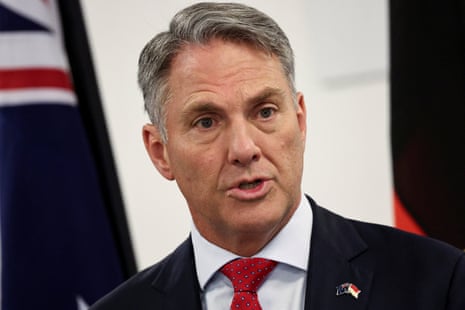
Australian Defense Minister Richard Marles confirmed on Monday that the United States has not formally requested the deployment of Royal Australian Navy vessels to the Strait of Hormuz, despite escalating regional tensions and a burgeoning global energy crisis. Speaking to reporters regarding the federal government’s strategic outlook, Marles emphasized that while the stability of the critical maritime corridor remains a paramount global interest, Australia is currently maintaining a "methodical" approach to its regional commitments. The statement comes as the Albanese government navigates a complex intersection of foreign policy obligations, domestic fuel shortages, and a looming decision by the Reserve Bank of Australia (RBA) on interest rates.

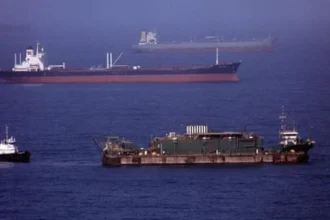
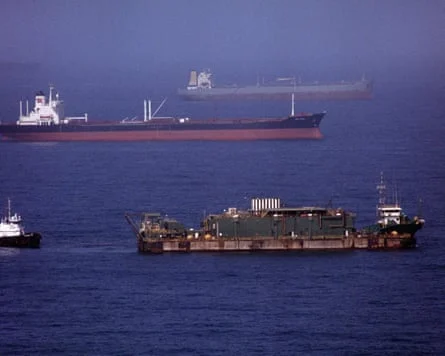
The Strait of Hormuz, a narrow waterway between Oman and Iran, serves as the world’s most important oil chokepoint. Approximately one-fifth of the world’s total oil consumption passes through the strait daily, making it a focal point for international security. Marles noted that any potential request for Australian military assistance would be evaluated strictly through the lens of the national interest. "The point to make here is we’ve not received a request from the United States in respect of the strait of Hormuz," Marles stated. He added that the government is doing "everything in our power" to ensure essential supplies continue to reach Australian shores, urging the public to continue their daily business without alarm.
Strategic Silence: The Absence of a Formal US Request
The lack of a formal request from Washington suggests a cautious diplomatic dance between the two AUKUS partners. Historically, Australia has been a frequent contributor to maritime security operations in the Middle East, including previous deployments to the International Maritime Security Construct (IMSC) to protect shipping lanes. However, the current geopolitical climate is particularly volatile. Iran’s recent activities in the region, including the effective closure of certain shipping routes, have triggered a sharp spike in global oil prices and prompted concerns about a broader military escalation.
Marles’ insistence on a "methodical" evaluation reflects a broader shift in Australian defense policy toward the Indo-Pacific region. While the Middle East remains significant, the federal government has increasingly prioritized resources closer to home. Defense analysts suggest that the Australian government may be hesitant to commit naval assets to the Persian Gulf at a time when its domestic fleet is undergoing significant restructuring and the regional security environment in the South China Sea remains tense.
The Strait of Hormuz and Global Maritime Security
The Strait of Hormuz is roughly 21 miles wide at its narrowest point, with shipping lanes in each direction only two miles wide. This geographic vulnerability allows regional actors to exert significant leverage over the global economy. If the strait were to be closed or significantly obstructed, the resulting supply shock would likely dwarf the energy crises of the 1970s. For a nation like Australia, which relies heavily on imported refined fuels, the stakes are exceptionally high.

Opposition Leader Angus Taylor has been vocal in his criticism of the government’s handling of the crisis. Taylor argued on Monday that the federal government was slow to recognize the severity of the situation. "Last week, on Tuesday, there was no problem at all. By Thursday, it was a national crisis," Taylor told reporters, pointing to the anxiety felt by farmers and the trucking industry in regional Australia. While Energy Minister Chris Bowen has maintained that petrol prices are dictated by global oil markets, the opposition contends that the government’s role in managing domestic shortages has been inadequate.
Domestic Fuel Shortages and the Release of National Reserves
As the situation in the Middle East remains fluid, the Australian domestic market is already feeling the impact. Reports of panic buying have surfaced across the country, with dozens of service stations in regional and metropolitan areas running out of fuel. In response, the Albanese government directed fuel companies last Friday to release nearly 20% of the nation’s domestic petrol and diesel reserves. This move is intended to stabilize the market and ensure that critical transport and agricultural sectors remain operational.
Energy Minister Chris Bowen cautioned that the release of these reserves would not provide an instantaneous fix. "There will be some time for it to flow through. There’s a very complicated supply chain," Bowen said during an interview with the ABC. He explained that while some companies expect the impact to be felt within days, the logistical challenges of moving large volumes of fuel from central reserves to remote areas are significant. The government continues to insist that Australia is "nowhere near" running out of fuel, but the psychological impact of skyrocketing prices has already triggered a shift in consumer behavior.
Monetary Policy and the Looming RBA Rate Hike
The energy shock is also casting a long shadow over the Australian economy. The Reserve Bank board is widely expected to increase the cash rate target from 3.85% to 4.1% during its meeting on Tuesday. This would mark the second consecutive monthly hike, a move driven by persistent inflation that is currently hovering at 3.8%—well above the RBA’s target band of 2% to 3%. Central bankers are concerned that the surge in energy prices will lead to "second-round effects," where higher transport and production costs are passed on to consumers, further embedding inflationary expectations.

Financial analysts estimate that for a homeowner with a $600,000 mortgage and 25 years remaining, a 25-basis-point hike would add approximately $91 to their monthly repayments. This comes at a time when the cost-of-living crisis is already the primary concern for most Australian households. RBA Governor Michele Bullock has signaled that the bank has "little wriggle room" and must act decisively to prevent a wage-price spiral. The decision on Tuesday will be closely watched for any indication of whether a third consecutive hike might be necessary in May.
Legislative Shifts: Human Rights and Public Safety in NSW
While the federal government manages international and economic crises, state-level politics in New South Wales are seeing significant movement on social and legislative fronts. A push by crossbenchers for a formal inquiry into a proposed Human Rights Act is gaining momentum. Greens MP Jenny Leong has written to Premier Chris Minns, urging the government to consider a bill that would require all government bodies to evaluate the human rights impact of their decisions and policies.

The proposed legislation has garnered support from over 120 organizations, including Amnesty International. Supporters point to the success of similar acts in Victoria, Queensland, and the Australian Capital Territory. In the ACT, the Human Rights Act was recently used by the Supreme Court to protect public housing tenants from eviction. Proponents argue that such a framework in NSW would move human rights from a "lofty, feel-good" concept to a practical tool for protecting vulnerable citizens.
Simultaneously, the NSW government is introducing tougher penalties for hate crimes targeting the LGBTQ+ community. Premier Chris Minns announced new measures to combat a series of "sickening" attacks, some of which were allegedly inspired by extremist ideologies. These crimes involved perpetrators luring victims via dating apps before assaulting and robbing them. The new laws will increase the maximum sentence for inciting violence from three to five years and expand "post and boast" offences to cover those who film and share footage of hate crimes online.

Cracking Down on Migration Malpractice and NDIS Reform
In Canberra, the federal government is also widening its crackdown on "dodgy" immigration agents. Assistant Minister for Citizenship and Multicultural Affairs Julian Hill announced new ethical standards and mandatory training requirements for the industry, effective April 1. The move follows the sanctioning of 61 agents since 2021 for various breaches, including the submission of false information on visa applications. One veteran operator recently had their registration cancelled for five years after it was discovered they were using templated statements that did not reflect the individual circumstances of applicants.
On the social services front, NDIS Minister Jenny McAllister announced a $90 million funding boost for 62 disability support and advocacy organizations. The program aims to empower people with disabilities and their families through mentoring, workshops, and referral services. This investment comes as the National Disability Insurance Scheme undergoes significant structural changes, including the delay of the "Thriving Kids" program to October.

Regional Security and Public Safety
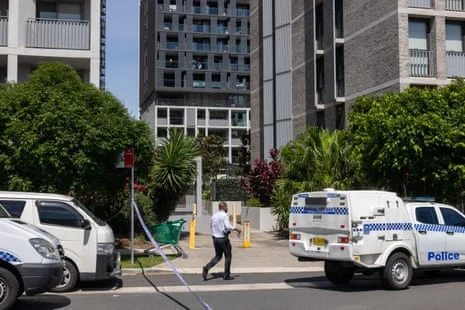
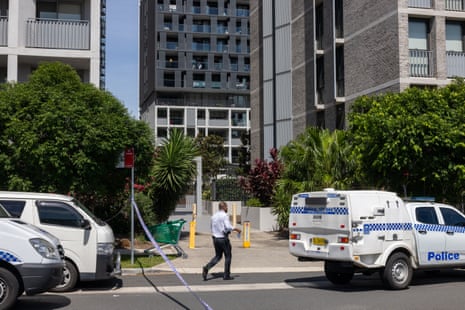
As Australia deals with these multifaceted challenges, public safety remains a high priority. In Sydney, NSW Police have charged two men with murder following a gangland-linked shooting at an apartment complex in Lidcombe. The incident, which left a 38-year-old man dead and another injured, highlights the ongoing struggle against organized crime in the state’s capital. Detectives arrested the suspects following a vehicle pursuit and a subsequent raid in Ermington, recovering a firearm allegedly used in the attack.
The combination of international maritime tension, a domestic energy crisis, and economic instability represents a significant test for the Albanese administration. While Defense Minister Marles has clarified that "Marles says US has not asked Australia to send ships to strait of Hormuz," the pressure on the government to maintain stability on all fronts continues to mount. Whether through the release of fuel reserves, the adjustment of interest rates, or the introduction of new criminal laws, the coming weeks will be a defining period for the nation’s leadership as they navigate an increasingly unpredictable global landscape.