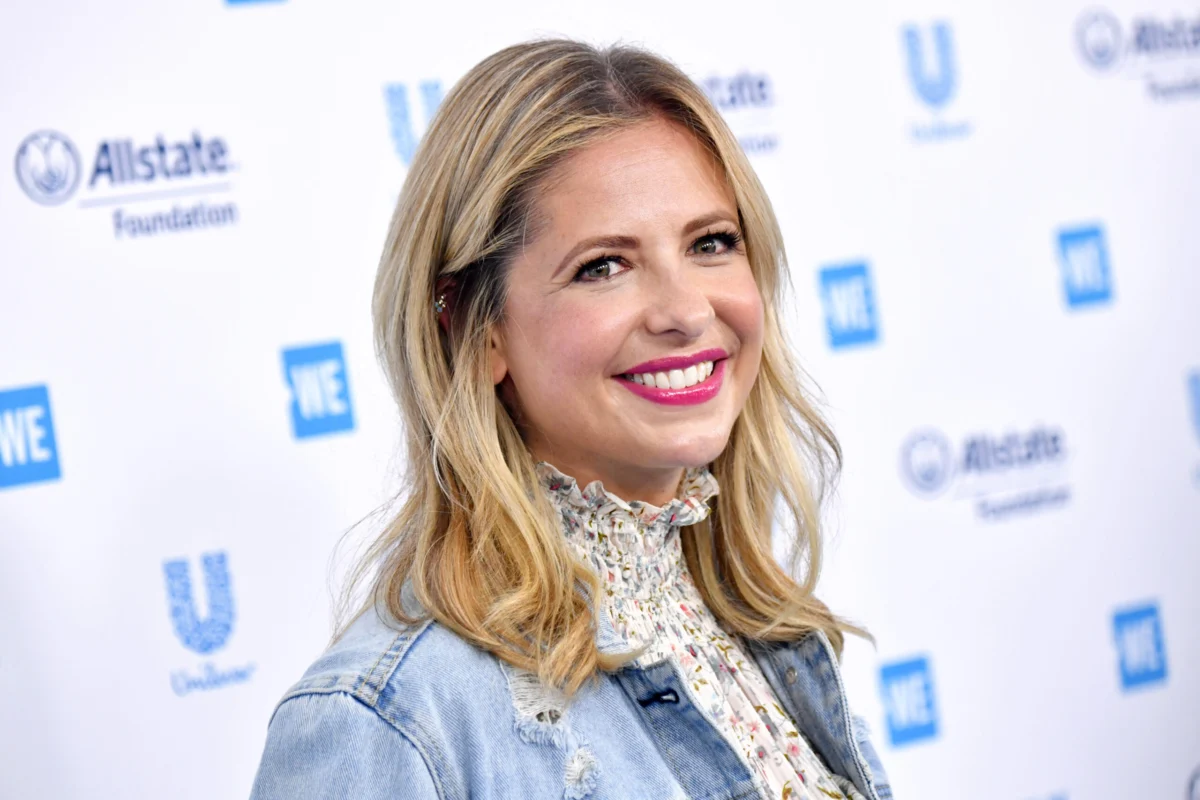
Sarah Michelle Gellar, the acclaimed star of the original Buffy the Vampire Slayer series, has publicly voiced her profound disappointment and criticism regarding the recent cancellation of the much-anticipated Buffy: New Sunnydale reboot. Gellar explicitly attributed the project’s demise to a singular studio executive whom she claims harbored a long-standing disdain for the beloved supernatural drama, hindering its development from inception.
The planned reboot, a collaboration between Hulu and Searchlight Television, aimed to introduce a new generation to the Slayer mythology while bringing Gellar back in her iconic role. Oscar-winning director Chloé Zhao, celebrated for her work on Nomadland and Hamnet, was attached to direct, lending significant creative weight to the endeavor. However, the project was officially halted just as Zhao was preparing for her Oscar appearance, a timing Gellar described as particularly disheartening.
The Vision for Buffy: New Sunnydale
The Buffy: New Sunnydale concept promised a fresh take on the vampire-slaying universe, featuring a new, younger Slayer, Ryan Kiera Armstrong, alongside Gellar’s reprisal of the titular character. This dual narrative structure aimed to bridge the original series’ legacy with contemporary storytelling, exploring both the origins of a new protector and the evolved journey of the veteran Slayer. The involvement of Chloé Zhao, known for her intimate and visually striking narratives, suggested a nuanced approach to the dark fantasy genre, potentially offering a more mature and introspective exploration of the themes that defined Buffy.
Gellar shared her enthusiasm for the new iteration, recalling the palpable energy on set. "The dialogue flew off the tongue. When I was on set, it was craziness. It was like, ‘Oh, we’re here. We’re doing this,’" she told People magazine. She highlighted the synergy between the new and old, expressing deep regret that audiences would not witness Armstrong’s portrayal of the new Slayer. The project had seemingly progressed beyond the conceptual stage, with cast and crew actively engaged in production, making the cancellation even more abrupt and unexpected for those involved.
Executive Interference and an "Uphill Battle"
According to Gellar, the primary impediment to the reboot’s success was the open hostility from a key executive. While refraining from naming the individual, Gellar painted a vivid picture of the creative challenges posed by this executive’s attitude. "We had an executive on our show who was not only not a fan of the original, but was proud to constantly remind us that he had never seen the entirety of the series and how it wasn’t for him," Gellar stated.
She elaborated on the difficulty of navigating such an environment, especially when working on a property as culturally significant as Buffy. "That’s very hard when you’re taking a property that is as beloved as Buffy, not just to the world, but to me and Chloé. So that tells you the uphill battle that we had been fighting since day one, when your executive is literally proud to tell you that he didn’t watch it," she added. This scenario underscores a recurring tension in Hollywood: the clash between artistic vision and corporate decision-making, particularly when those in power lack appreciation for the source material.
The Legacy of Buffy the Vampire Slayer
The original Buffy the Vampire Slayer, which aired from 1997 to 2003, transcended its genre to become a cultural phenomenon. Created by Joss Whedon, the series starred Sarah Michelle Gellar as Buffy Summers, a young woman chosen by fate to fight vampires, demons, and the forces of darkness. It was celebrated for its groundbreaking portrayal of a strong female protagonist, its sharp writing, witty dialogue, and its ability to blend horror, comedy, and profound character drama. Buffy explored themes of adolescence, empowerment, identity, and loss with a depth rarely seen in genre television, earning critical acclaim and a fiercely loyal fanbase.
The show’s influence on popular culture and subsequent television series is undeniable, paving the way for more complex female heroes and sophisticated genre storytelling. Its innovative narrative structure and use of metaphor to explore real-world issues cemented its place as a television classic. The enduring affection for Buffy explains the high expectations and significant interest surrounding any attempt to revive or reboot the franchise.
The Shadow of Controversy and the Path to a Reboot
The Buffy legacy, however, has been complicated in recent years by serious allegations against its creator, Joss Whedon. In 2020 and 2021, several cast members, including Charisma Carpenter (Cordelia Chase), Amber Benson (Tara Maclay), and Michelle Trachtenberg (Dawn Summers), publicly accused Whedon of creating a toxic work environment, engaging in abusive behavior, and making inappropriate comments on set. These revelations led to widespread condemnation of Whedon and prompted a broader conversation about power dynamics and accountability within Hollywood.
In this context, a Buffy reboot without Whedon’s involvement, particularly one led by a respected female director like Chloé Zhao and starring the original lead, offered a potential pathway to reclaim the beloved IP. It represented an opportunity to revisit the universe with a new creative lens, perhaps even addressing or moving beyond the controversies that had tainted its creator. The cancellation, therefore, is not just a missed opportunity for new content but also for a potential narrative redemption of the franchise under new, inclusive leadership.
Corporate Landscape and IP Ownership
The decision to cancel Buffy: New Sunnydale also highlights the intricate corporate ownership structures prevalent in Hollywood. The Buffy intellectual property (IP) is owned by Disney, following its 2019 acquisition of 21st Century Fox, which included the Fox television assets. Hulu, the intended platform for the reboot, is primarily owned by Disney. This corporate linkage explains why, as a Hulu representative noted, the project cannot simply be shopped to another studio or streaming service. Disney’s control over the IP means any future Buffy project must originate from within its vast ecosystem, limiting external opportunities.
This situation is common in an industry increasingly dominated by mega-corporations keen on leveraging their extensive IP libraries. While such consolidation can streamline production and distribution, it also centralizes creative control, potentially leading to fewer projects greenlit if they don’t align perfectly with a singular corporate vision or executive preference.
Broader Implications for Hollywood Reboots
The cancellation of Buffy: New Sunnydale offers a stark example of the challenges inherent in reviving beloved franchises. While reboots and revivals are a popular strategy for studios to capitalize on existing fanbases and established IP, they are not without significant hurdles. Fan expectations are often sky-high, and creative teams face the delicate task of honoring the original while innovating for a new audience.
Moreover, the incident underscores the considerable power wielded by individual studio executives, whose personal tastes and biases can decisively impact multi-million dollar productions. This dynamic can be particularly frustrating for creators and fans when it appears to override artistic merit, public demand, or even the potential for significant commercial success. Gellar’s comments suggest a broader issue within the industry where a lack of institutional respect for certain genres or older properties can lead to missed opportunities.
Support for Chloé Zhao and the Path Forward
Gellar expressed immense solidarity with Chloé Zhao, who was simultaneously celebrating her Oscar nominations for Nomadland when the cancellation news broke. "Chloé and I are feeling the same things. Disappointment. We don’t want to let the fans down. That hurts. Saddened at how it was handled and when it was handled," Gellar conveyed. She urged Zhao to focus on her achievements: "I just said to Chloé, and I was very specific, I said, ‘Sunday night, you put that crown on and you walk that red carpet and you take in all that love for what you worked for and forget the other stuff.’ It’s important to me that this doesn’t take away from what we achieved and what she’s achieved. And there’s always so much more to do."
While Hulu has offered no immediate comment on Gellar’s specific allegations, the broader statement regarding Disney’s IP ownership indicates a firm stance on the franchise’s future. For now, the prospect of a Buffy revival remains dormant, leaving fans to ponder what might have been under Zhao’s direction and with Gellar’s involvement. The door is not entirely closed on the Buffy universe, but any future endeavors will undoubtedly face intense scrutiny and an uphill battle to win over a fanbase that feels it has already seen a promising opportunity squandered.
Meanwhile, Sarah Michelle Gellar continues her acting career, starring in the horror sequel Ready or Not 2: Here I Come, which opened this weekend, demonstrating her ongoing presence in the genre that Buffy helped define for a generation. The cancellation of Buffy: New Sunnydale serves as a poignant reminder of the unpredictable nature of Hollywood development and the often-unseen forces that shape the content audiences ultimately get to experience.