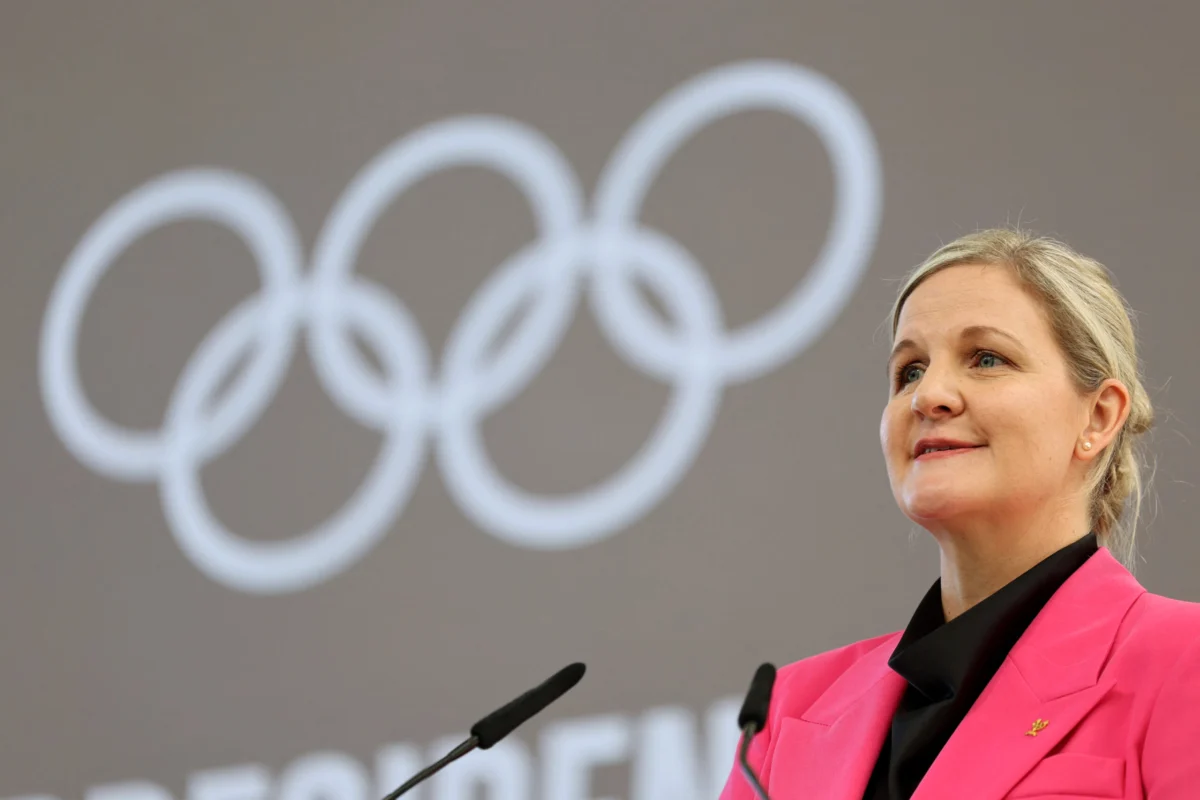
More than 80 human rights and sports advocacy organizations are vehemently calling on the International Olympic Committee (IOC) to abandon rumored plans that would reportedly mandate universal genetic sex testing for all female athletes and implement a blanket ban on transgender and intersex competitors. These prominent groups, including the Sport & Rights Alliance (SRA), ILGA World, and Humans of Sport, have issued a joint statement warning that such measures, if enacted based on recommendations from the IOC’s Protection of the Female Category Working Group, would represent a significant regression in the pursuit of gender equity within the global sporting arena.
Growing Concerns Over IOC’s Reported Eligibility Criteria
The collaborative statement highlighted that multiple sources have indicated the working group has advised the IOC to institute mandatory genetic sex verification for all women and girls participating in sports, alongside barring transgender and intersex athletes from competing in women’s events. While the IOC has not officially confirmed these recommendations, the widespread dissemination of these potential policy shifts has ignited significant concern and opposition from a broad coalition of international bodies.
An IOC spokesperson, responding to inquiries, stated on Wednesday that no final decisions have been made regarding these sensitive issues. The spokesperson emphasized that the Protection of the Female Category Working Group is still actively engaged in discussions and that further information will be provided in due course. This cautious official response, however, has done little to quell the anxieties of advocacy groups who fear a move toward more restrictive policies.
Historical Context of Gender Testing in Sports
The concept of mandatory sex testing for female athletes is not entirely new to the Olympic Games, though it has evolved significantly over time. Universal sex testing was discontinued by the IOC following the 1996 Atlanta Olympics. Previously, such tests were implemented to ensure fair competition, often focusing on biological markers.
For many years, the IOC has deliberately avoided imposing a singular, universal rule concerning transgender participation in the Olympics. Instead, in 2021, the committee shifted the responsibility to individual international federations, tasking them with developing their own specific eligibility guidelines for transgender athletes. This decentralized approach aimed to allow sports to adapt policies based on their unique disciplines and scientific understanding.
Federations’ Stance and Athlete Exclusion
In the wake of the IOC’s 2021 guidance, several major international sports federations have moved to implement stricter policies. Organizations governing athletics, swimming, and rugby union, among others, have recently barred athletes who have undergone male puberty from competing in the women’s category. These decisions have been met with both support and criticism, reflecting the complex and often contentious nature of this debate.
Advocacy Groups Denounce Potential Policies
Andrea Florence, executive director of the Sport & Rights Alliance, articulated the profound opposition to the reported IOC proposals. She characterized mandated sex testing and a blanket ban policy as a "catastrophic erosion of women’s rights and safety." Florence argued that such measures would lead to extensive gender policing and widespread exclusion, ultimately harming all women and girls and undermining the core principles of dignity and fairness that the IOC professes to uphold in sports.
Jon Pike, an English academic specializing in the philosophy of sport and an advocate for the protection of the female category, offered a starkly contrasting view. He dismissed the advocacy groups’ letter as "laughable, desperate, and silly." Pike asserted that the working group’s objective is not to enact a ban but rather to ensure the exclusion of individuals identified as male from the female category. He expressed optimism that the vocal opposition from these groups signals that the situation is not yet finalized.
International Condemnation of Sex Testing
The international community, including prominent human rights bodies, has historically condemned intrusive sex testing practices. Organizations such as the UN High Commissioner for Human Rights, UN Women, and the World Medical Association have previously labeled sex testing and related interventions as discriminatory and harmful.
Payoshni Mitra, executive director of Humans of Sport, echoed these sentiments, stating that such practices "violate women’s and girls’ privacy" and expose child athletes to significant safeguarding risks. Advocates also emphasize that imposing blanket bans on transgender and intersex athletes fails to acknowledge the myriad barriers these individuals already face, including pervasive harassment, limited access to sports facilities, and other systemic disadvantages that hinder their participation.
Sport as a Space for Inclusion
Julia Ehrt, Executive Director of ILGA World, underscored the fundamental importance of sport as a domain of belonging. She stressed that policies should foster an environment where all individuals feel welcome and respected, regardless of their gender identity or sex characteristics.
The coalition of advocacy groups contends that the rumored IOC proposals directly contradict the committee’s own Framework on Fairness, Inclusion and Non-Discrimination, a guiding document released in 2021. This framework had placed the responsibility on individual federations to devise their own rules, aiming for a more nuanced approach rather than a one-size-fits-all mandate.
Professor Pike, however, expressed skepticism about the coherence of the 2021 framework itself. He described it, charitably, as one of the most "confused" policy statements he had ever encountered, particularly recalling its assertion that there was "no presumed advantage" for males over females in sport.
World Athletics’ Precedent with Gender Testing
It is noteworthy that World Athletics, the international governing body for track and field, has already implemented a form of gender testing. Ahead of last year’s World Championships in Tokyo, the organization introduced a one-off test for the SRY gene, which is associated with sex determination, for all female athletes. This test, obtained via a cheek swab, represented a significant step in the ongoing efforts to address fairness in women’s athletics. The adoption of such measures by individual federations continues to shape the broader landscape of eligibility criteria in elite sports, setting precedents that may influence future IOC decisions. The ongoing debate underscores the profound challenge of balancing inclusivity with the perceived need for competitive fairness in women’s sports.