Illinois has solidified its position as a burgeoning hub for television and film production, with Hollywood spending in Illinois projected to reach an all-time high of $703 million in 2025. This significant increase, up from $560 million in pre-pandemic 2019, underscores a strategic push by the state to attract a diverse portfolio of independent films, high-profile series, and major streaming productions, creating a robust local industry.
The upward trajectory in Illinois’s film sector is particularly noteworthy in a competitive national landscape where states aggressively vie for production dollars through incentives and infrastructure development. Governor JB Pritzker’s office confirmed the record expenditure to The Hollywood Reporter, aligning with independent industry data. ProdPro, a leading industry tracker, reported a 46 percent surge in production spend in Illinois during the fourth quarter of last year, reaching $240 million, alongside a 70 percent year-over-year increase in filming counts for the same period.
A Strategic Ascent in Production
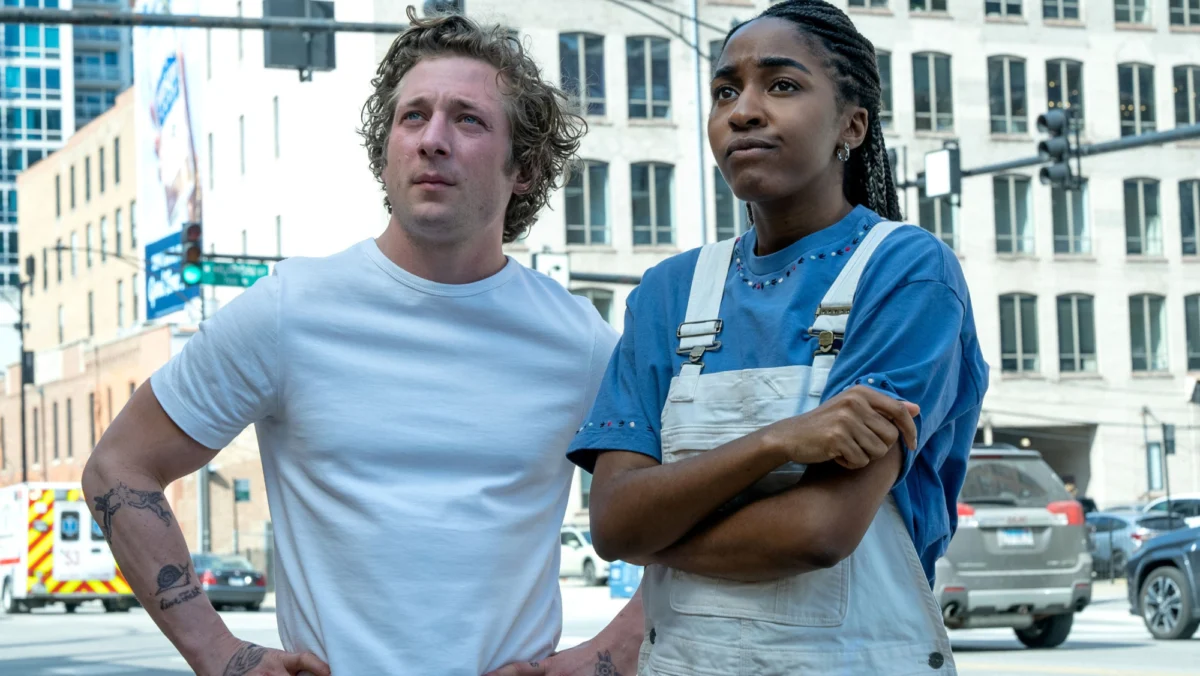
The state’s success is partly anchored by its long-standing relationship with Dick Wolf’s popular "Chicago" procedurals – Chicago Med, Chicago Fire, and Chicago P.D. – which continue to draw millions of viewers on NBC after more than a decade on air. A recent crossover event for these shows garnered over six million viewers, demonstrating their enduring appeal and stable production presence in the state. Beyond these network mainstays, Illinois has diversified its portfolio, hosting acclaimed premium cable and streaming series. Paramount+’s The Chi, FX’s Emmy-winning The Bear, HBO’s Somebody Somewhere, and Starz’s Power Book IV: Force have all contributed to the state’s growing reputation as a versatile production location. While The Chi and The Bear are approaching their final seasons, their multi-season runs have provided consistent work and fostered local talent.
Economic Tailwinds and Job Growth
The surge in film production expenditure has directly translated into substantial economic benefits for Illinois residents. Film industry wages are projected to climb to $401 million in 2025, a significant jump from $350 million in 2019. Correspondingly, the number of hires, including essential background actors, has risen from 15,200 to 18,100 over the same period. This increase in employment figures is a critical indicator of the industry’s deepening roots in the state. Data from Everyset, an entertainment industry payroll processor, corroborates Illinois’s strong growth in booked extras jobs last year, highlighting a positive trend for entry-level and contingent film work. This expansion generates not only direct employment but also stimulates local businesses, from catering services to equipment rentals, contributing to a broader economic ripple effect.
Bolstering the Foundation: The Illinois Film Tax Credit
A key driver behind Illinois’s escalating attractiveness is its proactive legislative support for the film industry. Governor Pritzker signed Senate Bill 1911 into law in December, significantly bolstering the state’s Film Production Tax Credit. This updated program now offers a generous 35 percent credit on qualified in-state spending and has been extended through 2039, providing long-term stability and predictability for studios considering Illinois.
Governor Pritzker emphasized the state’s historical connection to filmmaking, stating, "For nearly 120 years, Illinois has helped shape the film and television industry — from the early days of Charlie Chaplin to today’s hit productions like Chicago Fire, The Bear, and The Chi." He added that by investing in the workforce, expanding the tax credit, and building world-class production infrastructure, Illinois is "creating good union jobs and attracting major productions from across the industry." The message, according to the Governor, is clear: "Illinois is a top destination to make movies and television." The extended tax credit signals a long-term commitment from the state, providing a crucial competitive edge in the fierce battle for productions.
Infrastructure Investment Fuels Future Growth
Beyond financial incentives, Illinois is making substantial investments in physical production infrastructure. Several large-scale studio projects are underway or have recently opened, designed to accommodate the increasing demand for soundstage space and specialized facilities. Among these is Hollywood River Studios, a Southern Illinois project in Wood River, which is being developed as a comprehensive complex featuring six soundstages. Flyover Film Studios in Rantoul has already hosted Tubi and independent projects, while Rockline Studios in Rock Island is also in development. These facilities are crucial for attracting larger, more complex productions that require controlled environments and state-of-the-art equipment. Chris Breakwell, developer of Hollywood River Studios, directly linked his group’s investment to the state’s enhanced film tax credit, stating, "The governor and the legislature focusing on and enhancing the Illinois film tax credit is the main reason my group is investing." This demonstrates a direct correlation between policy and private sector commitment.
The National Race for Production: Illinois vs. the Field
The race among states to attract film and television production has intensified, with jurisdictions offering increasingly competitive incentives and infrastructure. While Illinois is on an upward trajectory, other prominent filming locations face varying degrees of success and challenge.
-
New Jersey: The "Hollywood East" Momentum
New Jersey, often dubbed "Hollywood East," also saw significant growth, with shoots increasing 75 percent in the fourth quarter of last year, according to ProdPro. This momentum is fueled by major investments in soundstage bases from industry giants like Paramount, Netflix, and Lionsgate. While New Jersey boasts higher overall production spending, Illinois’s growth in filming count places it in a similar category of rapidly expanding production hubs. -
Georgia’s Cautionary Tale: The Risk of Over-Reliance
Georgia, once a dominant force in film production, serves as a cautionary tale. Despite substantial infrastructure investments, the state has experienced significant departures, notably Marvel Studios shifting production to the United Kingdom. Its production spend plummeted from a peak of $4.4 billion across 412 productions in 2022 to an estimated $2.3 billion for 245 projects in 2025. This sharp decline highlights the volatility of the industry and the risks associated with relying heavily on a few major studios or an incentive program that may be outmatched elsewhere. -
New Mexico’s Fluctuations Amidst Investment
New Mexico, home to the "Breaking Bad" universe and Netflix’s major Albuquerque investment, has also witnessed a downturn. After peaking at $855.4 million in production spending in 2022 – a period defined by Hollywood’s aggressive investment in streaming originals – the figure dropped to $323 million in fiscal 2025. This contraction, attributed to an "industry-wide contraction in productions," per the state’s film office, illustrates that even with major studio commitments, states are not immune to broader market shifts and spending adjustments by streaming platforms. -
California and New York: The Giants Fight Back
The traditional giants, California and New York, continue to aggressively court projects with massive incentive programs, capped at $750 million and $800 million annually, respectively. Despite these efforts, both states have experienced declines in filming count and production spend. California, though still leading with $5.75 billion in trailing twelve-month production spend, saw soundstage occupancy in Los Angeles fall from 96 percent in 2016 to 62 percent in the first half of 2025. Governor Gavin Newsom has been proactive, with the state’s film commission recently doling out $128 million each in tax credits to Disney and Warner Bros. Discovery for various projects. However, industry advocates in California argue that more needs to be done to cut red tape and ensure projects remain in Hollywood’s historic home. The reliance on long-running broadcast series, much like Illinois’s "Chicago" franchise, becomes a crucial factor in maintaining consistent soundstage occupancy and employment.
A Resilient Model in a Volatile Industry
Illinois’s ability to not only maintain but significantly increase Hollywood spending in Illinois amidst broader industry contractions and intense competition speaks to a resilient and well-executed strategy. The combination of a diverse project pipeline – balancing long-running network shows with critically acclaimed premium series – coupled with an expanded, long-term tax credit and strategic infrastructure development, positions the state favorably. While the industry continues to navigate shifts in streaming economics and production budgets, Illinois appears to have cultivated a stable environment that appeals to a wide range of content creators.
Looking Ahead: Sustaining Momentum
The future of Hollywood spending in Illinois looks promising, driven by sustained political will and private investment. The focus on creating "good union jobs" resonates strongly within the industry, which values skilled labor and established crews. As other states grapple with fluctuating production numbers and the challenges of retaining major studios, Illinois’s consistent growth and strategic development offer a model for how emerging production hubs can thrive. The state’s commitment to fostering a robust film and television ecosystem, from incentives to infrastructure and workforce development, aims to ensure its continued prominence in the evolving entertainment landscape.