Iran has signaled a potential shift in its approach to the Strait of Hormuz, announcing that Japanese vessels will be permitted passage through the vital waterway, a move that could ease significant economic pressure on Japan and offers a glimpse into Tehran’s evolving strategy for controlling maritime traffic amidst ongoing regional hostilities. This announcement comes as international concern mounts over the de facto closure of the strait, a chokepoint essential for global energy supplies.
Iran’s Selective Blockade Strategy Unveiled
Iranian Foreign Minister Abbas Araghchi stated in an interview with Japan’s Kyodo News late Friday that the Strait of Hormuz remains open for nations considered non-adversarial to Iran. "We have not closed the strait," Araghchi asserted. "In our opinion, the strait is open. It is closed only to ships belonging to our enemies, countries that attack us. For other countries, ships can pass through the strait." This declaration suggests a deliberate policy of selective access rather than a complete shutdown of the strategic passage.
Araghchi elaborated on the terms of passage for nations like Japan, indicating that Tehran is open to dialogue to ensure safe transit. "We are talking to them to find a way to pass safely. We are ready to provide them with safe passage. All they need to do is contact us to discuss how this route will be," he explained, according to an English transcript shared on his official Telegram account. This offer implies a mechanism for vetting and coordination, potentially managed by Iranian authorities.
Japan’s Critical Dependence on the Strait of Hormuz
Japan’s economic lifeline is inextricably linked to the unimpeded flow of oil through the Strait of Hormuz. The island nation imports more than 90 percent of its crude oil from the Middle East, with the vast majority of these shipments transiting this narrow maritime passage. The de facto closure of the strait, which began following what Iran describes as attacks by the United States and Israel on February 28, has placed immense strain on Japan’s energy security and economy.
The initial warnings from Iran’s Islamic Revolutionary Guard Corps (IRGC) were stark. In the early days of the conflict, the IRGC declared its forces would "set ablaze" any vessel attempting to traverse the waterway, leading to a near-complete halt in commercial shipping. This aggressive stance created widespread apprehension and logistical nightmares for global maritime operations.
Easing Rhetoric Amidst Diplomatic Push
In recent days, Iran has demonstrably toned down its rhetoric concerning the Strait of Hormuz. The narrative has shifted from an outright closure to a more nuanced policy of restricting passage only for those nations deemed hostile. This evolution in messaging appears to be a response to mounting international pressure and the economic repercussions felt by countries reliant on the strait.
Japan now stands on the precipice of joining a select group of nations – primarily China, India, and Pakistan – whose vessels have reportedly been granted approval to transit the strait in recent days. This selective approach by Iran indicates a strategic calculation to maintain leverage while mitigating the global economic fallout.
Emerging Safe Corridors and Vetting Systems
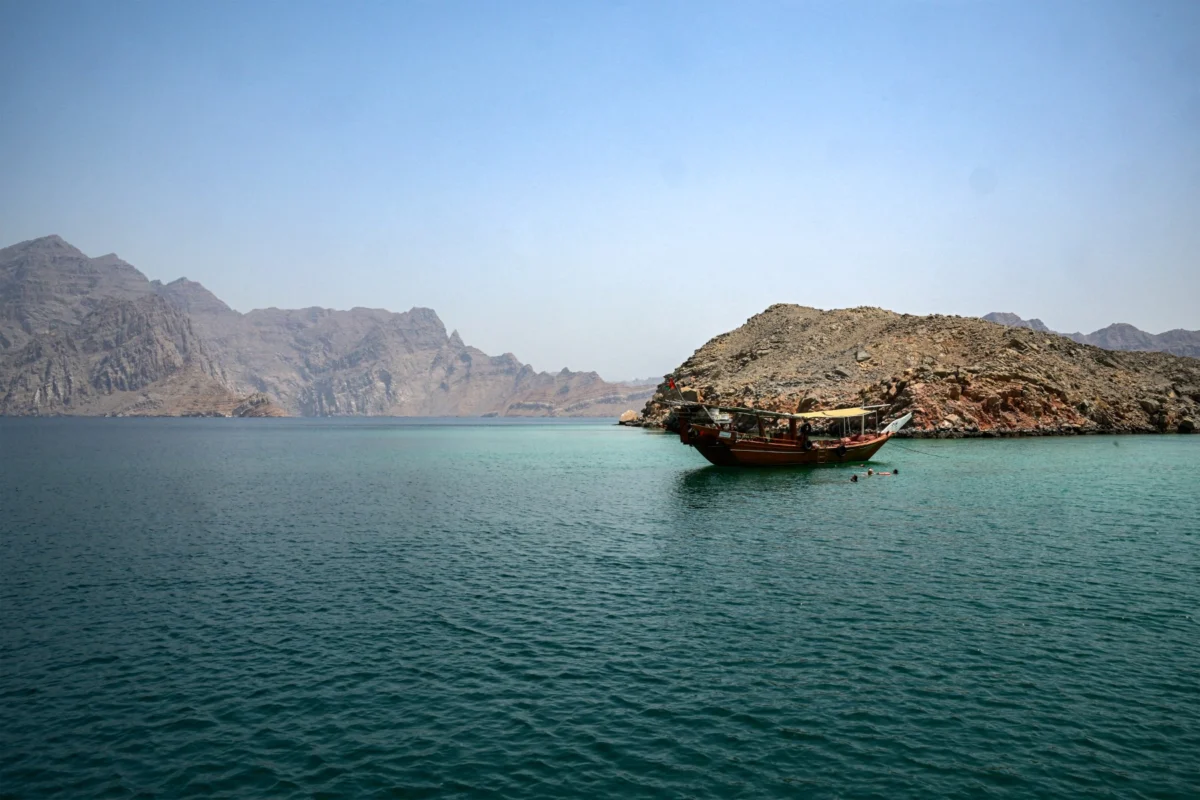
Independent maritime intelligence services have observed vessels navigating the Strait of Hormuz by sailing in close proximity to Iran’s coastline. This emerging route, described as a "safe corridor" by some analysts, offers a potential pathway for continued trade. Lloyd’s List, a prominent shipping and maritime information service, reported that 10 ships have utilized this route in recent days.
The most recent documented transit involved a Greek bulk carrier on Friday, which sailed close to Iran’s Larak Island. Notably, the vessel broadcasted the message "Cargo Food for Iran," a detail that may suggest a form of implicit cooperation or acknowledgment by the ship’s operators. While these transits have been occurring on a case-by-case basis, Lloyd’s List also indicated that the IRGC is actively developing a more formalized vetting and registration system for ships seeking passage. This suggests a move towards a more structured and predictable process for approved traffic.
Global Diplomatic Efforts Intensify
As the conflict enters its third week, a significant diplomatic push is underway by a coalition of nations seeking to reopen the Strait of Hormuz or secure safe passage for their own vessels. Even U.S. allies are actively engaging with Tehran to find a resolution. This broad diplomatic engagement underscores the critical nature of the strait to the global economy.

Earlier this week, a joint statement was issued by Japan, France, Germany, Italy, the Netherlands, and the United Kingdom, expressing their collective "readiness to contribute to appropriate efforts to ensure safe passage through the Strait." This coordinated effort highlights the shared concern among major maritime powers regarding the disruption to global trade and energy flows.
Beyond European nations and Japan, other countries have also reportedly engaged in direct discussions with Tehran. Iraq, Malaysia, China, India, and Pakistan have all held talks with Iranian officials to address the issue of maritime transit. This widespread diplomatic outreach demonstrates the multifaceted impact of the Strait of Hormuz closure on regional and international relations.
Bilateral Consultations Between Japan and Iran
Foreign Minister Araghchi’s remarks to Kyodo News follow a crucial bilateral call with his Japanese counterpart, Toshimitsu Motegi, on Tuesday. During that conversation, Tokyo conveyed its deep concern over the significant number of Japanese vessels that remain stranded in the Persian Gulf due to the transit restrictions. The Japanese readout of the call emphasized the urgency of the situation for Japanese commercial interests.
The potential for Japanese ships to resume transit through the Strait of Hormuz, should discussions with Iran prove fruitful, could offer substantial relief to Japanese businesses and consumers. The ongoing uncertainty has a ripple effect on global oil prices, supply chains, and the broader geopolitical landscape.
Broader Implications for Global Trade and Security
The situation in the Strait of Hormuz serves as a stark reminder of the fragility of global energy supplies and the significant impact that regional conflicts can have on international trade. The waterway’s strategic importance cannot be overstated; it is a critical chokepoint through which a substantial portion of the world’s oil passes. Any disruption here has immediate and far-reaching economic consequences.
Iran’s apparent strategy of selective blockade allows it to exert influence and pressure while attempting to avoid a complete economic catastrophe that a total shutdown might trigger. This approach also presents a complex diplomatic challenge for international actors, who must balance the need for unimpeded trade with the geopolitical realities of the region.
The development of alternative routes and the increased reliance on maritime intelligence services like Lloyd’s List underscore the adaptability of the shipping industry. However, these measures are often costly and do not fully mitigate the risks associated with major chokepoints.
The Economic and Political Stakes
For Japan, securing safe passage for its oil imports is not merely an economic imperative but a matter of national security. The country’s energy independence is heavily reliant on stable access to Middle Eastern oil, and prolonged disruptions could lead to significant price hikes, impact industrial production, and create social unrest.
The international community’s response, characterized by joint statements and direct diplomatic engagement, indicates a unified desire to de-escalate tensions and restore stability to this critical maritime corridor. The success of these diplomatic efforts will hinge on Iran’s continued willingness to engage in dialogue and its commitment to ensuring safe passage for non-hostile vessels.
The unfolding situation in the Strait of Hormuz is a dynamic one, with diplomatic negotiations and on-the-ground developments constantly shaping the outlook for global shipping and energy markets. The coming days and weeks will be crucial in determining whether a lasting resolution can be achieved, allowing for the unimpeded flow of vital resources through this strategically vital waterway. The world watches closely as diplomatic efforts continue to navigate the complexities of regional security and global economic stability.