Iran has issued a stark warning, vowing to "completely close" the strategic Strait of Hormuz if its power plants are targeted by escalating attacks attributed to US and Israeli forces. The threat comes amidst a rapidly intensifying regional conflict, with recent strikes on infrastructure in Lebanon and heightened concerns over broader military engagement involving Iran.
Escalation in the Gulf: Iran’s Hormuz Threat
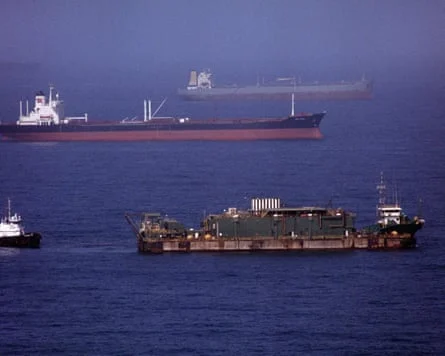
The Iranian government’s declaration represents a significant escalation in rhetoric, directly challenging the unimpeded flow of global energy supplies through one of the world’s most critical maritime chokepoints. The Strait of Hormuz, a narrow waterway separating Iran and Oman, is responsible for the passage of roughly one-fifth of the world’s total oil consumption. Any disruption here would have immediate and profound global economic repercussions, sending shockwaves through international energy markets and potentially triggering a worldwide recession.
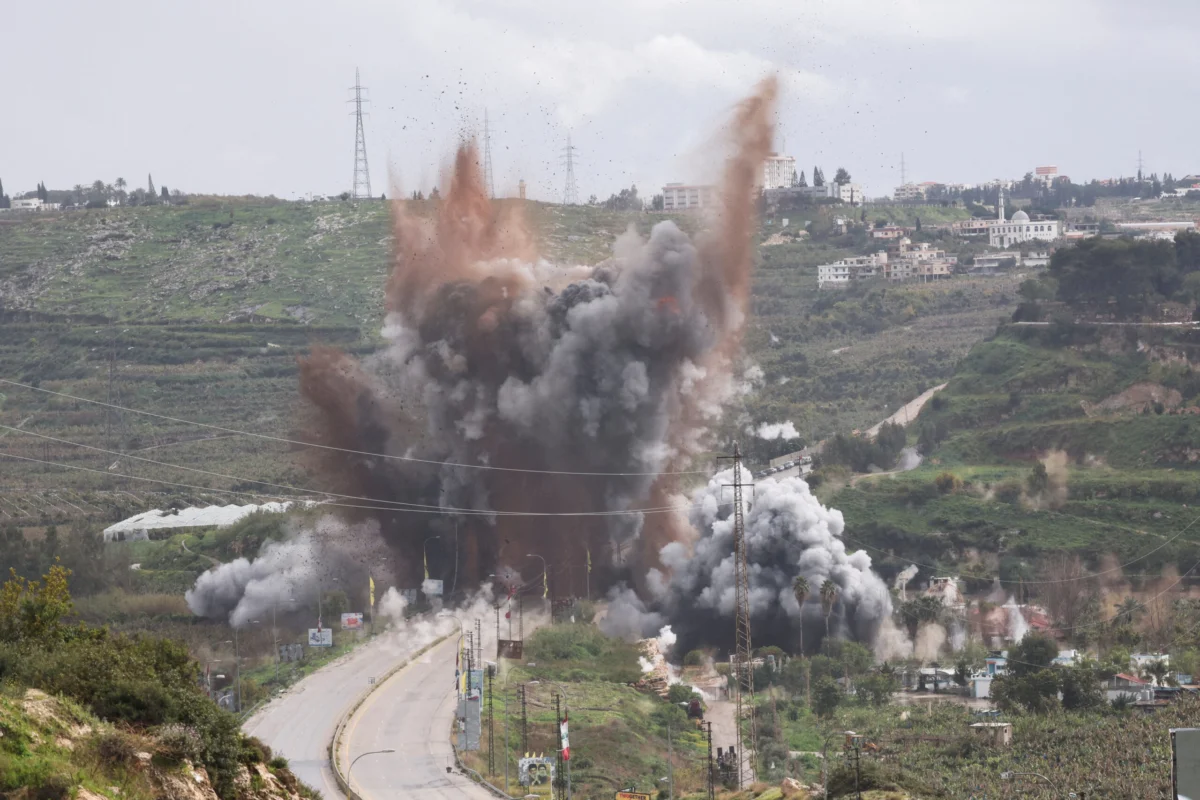
The warning appears to be a direct response to recent military actions that have increased the risk of wider conflict. While the original report from March 22, 2026, mentioned Israeli forces blowing up the Qasimiyah Bridge in south Lebanon, indicating a pattern of kinetic actions in the region, the broader context suggests a more pervasive US-Israeli campaign impacting Iran and its allies. The targeting of Iranian power plants, if it were to occur, would represent a direct strike at the heart of Iran’s civilian infrastructure, a move Tehran clearly views as a casus belli.
Geopolitical Flashpoint: The Strait of Hormuz
The Strait of Hormuz has long been a focal point of geopolitical tension. For decades, Iran has leveraged its strategic position to exert influence and, at times, threaten to disrupt shipping traffic as a means of deterrence or retaliation. The potential closure of the strait is not merely a regional threat; it is a global economic weapon. Major oil-producing nations like Saudi Arabia, Iraq, Kuwait, and the United Arab Emirates rely heavily on this waterway to export their crude oil.
The implications of such a closure extend far beyond oil prices. Shipping insurance rates would skyrocket, impacting all maritime trade. Countries heavily dependent on imported energy, including many in Asia and Europe, would face severe energy shortages, potentially leading to widespread blackouts and industrial shutdowns. The global supply chain, already fragile, would face unprecedented disruption.
Background to the Current Crisis
The current crisis did not emerge in a vacuum. It is the culmination of years of escalating tensions between Iran and the United States, often in conjunction with Israel, fueled by disagreements over Iran’s nuclear program, its regional influence, and its support for various militant groups. The period leading up to March 2026 likely saw a series of covert operations, proxy conflicts, and diplomatic standoffs that have now seemingly spilled over into more direct confrontation.
The mention of "US-Israel attacks" suggests a coordinated effort to pressure Iran, potentially aimed at weakening its military capabilities, disrupting its economy, or forcing concessions on its regional policies. The destruction of infrastructure like the Qasimiyah Bridge, while seemingly localized, serves as a potent symbol of this broader campaign and a warning to Iran’s allies and proxies in the region.
Iran’s Strategic Response and Capabilities
Iran’s vow to close the Strait of Hormuz highlights its asymmetric warfare capabilities. While it may not possess the conventional military might to challenge the United States or Israel head-on in a prolonged conflict, it has demonstrated a capacity to disrupt maritime traffic in its territorial waters. This could involve mining the strait, using anti-ship missiles, or employing naval mines and small boat swarms to harass and disable commercial and military vessels.
The effectiveness of such a blockade would depend on several factors, including the scale of Iran’s efforts, the international response, and the ability of naval forces to keep the strait open. However, even a temporary disruption would have significant economic consequences. Iran’s threat is a clear signal that it is willing to inflict severe economic pain on the global community to protect its core interests.
Broader Regional Implications
The escalating conflict also carries significant implications for the broader Middle East. Neighboring countries, many of whom are heavily reliant on oil exports and global trade, would be directly impacted by any disruption in the Strait of Hormuz. Regional stability, already precarious, would be further undermined, potentially leading to increased internal unrest, refugee flows, and the possibility of wider regional wars.
The involvement of non-state actors, such as Hezbollah, which is often supported by Iran, adds another layer of complexity. The destruction of the Qasimiyah Bridge in Lebanon, if directly linked to Israeli actions in retaliation for attacks orchestrated by groups like Hezbollah, underscores the interconnectedness of these conflicts and the potential for a domino effect across the region.
Impact on Global Energy Markets and Economy
The immediate consequence of any credible threat to the Strait of Hormuz is a surge in global oil prices. Futures markets would react instantaneously, reflecting the increased risk premium. This would translate into higher gasoline prices at the pump for consumers worldwide, increased heating costs, and higher transportation expenses for businesses.
Beyond the immediate price shock, a sustained closure would lead to a severe global energy crisis. Nations would scramble for alternative sources of supply, straining existing infrastructure and potentially leading to rationing. The ripple effects would be felt across all sectors of the economy, from manufacturing and agriculture to tourism and retail. The global economy, already navigating complex challenges, could be plunged into a deep and prolonged recession.
Public Impact and International Reactions
For the general public, the escalating tensions would translate into tangible economic hardship. Higher energy costs would reduce disposable income, impacting consumer spending and economic growth. The specter of war and its potential global consequences could also lead to increased anxiety and uncertainty.
International reactions would likely be swift and varied. The United States and its allies would likely condemn Iran’s threat and potentially increase naval presence in the region to ensure freedom of navigation. However, the extent of international consensus on how to respond to Iranian actions, particularly if they are perceived as defensive, could be fractured. Countries with significant trade ties to Iran or those seeking to maintain neutrality might advocate for de-escalation and diplomatic solutions.
The Calculus of Deterrence and Retaliation
Iran’s threat to close the Strait of Hormuz is a high-stakes gamble, a form of strategic deterrence. It is designed to communicate to potential aggressors that the cost of attacking Iranian infrastructure would be unacceptably high, not just for Iran but for the global economy. The effectiveness of this deterrence hinges on the credibility of Iran’s capabilities and its willingness to follow through on its threat.
Conversely, the decision by US and Israeli forces to engage in actions that could provoke such a response suggests a calculation that Iran’s current strategic posture is unacceptable and requires a forceful counter. The cycle of action and reaction, if unchecked, could lead to a devastating escalation.
Navigating the Path Forward
The situation demands careful diplomatic maneuvering and a concerted effort to de-escalate tensions. The international community faces the critical challenge of balancing the imperative of maintaining freedom of navigation in a vital global waterway with the need to address the underlying causes of the conflict.
Any direct military engagement involving Iran and the United States or Israel would carry catastrophic risks, not only for the involved parties but for the entire global order. The threat to the Strait of Hormuz serves as a stark reminder of the interconnectedness of the global economy and the profound consequences of regional instability. The coming days and weeks will be crucial in determining whether diplomatic channels can prevail over the escalating cycle of threats and military actions. The world watches with bated breath as a critical global artery hangs in the balance.