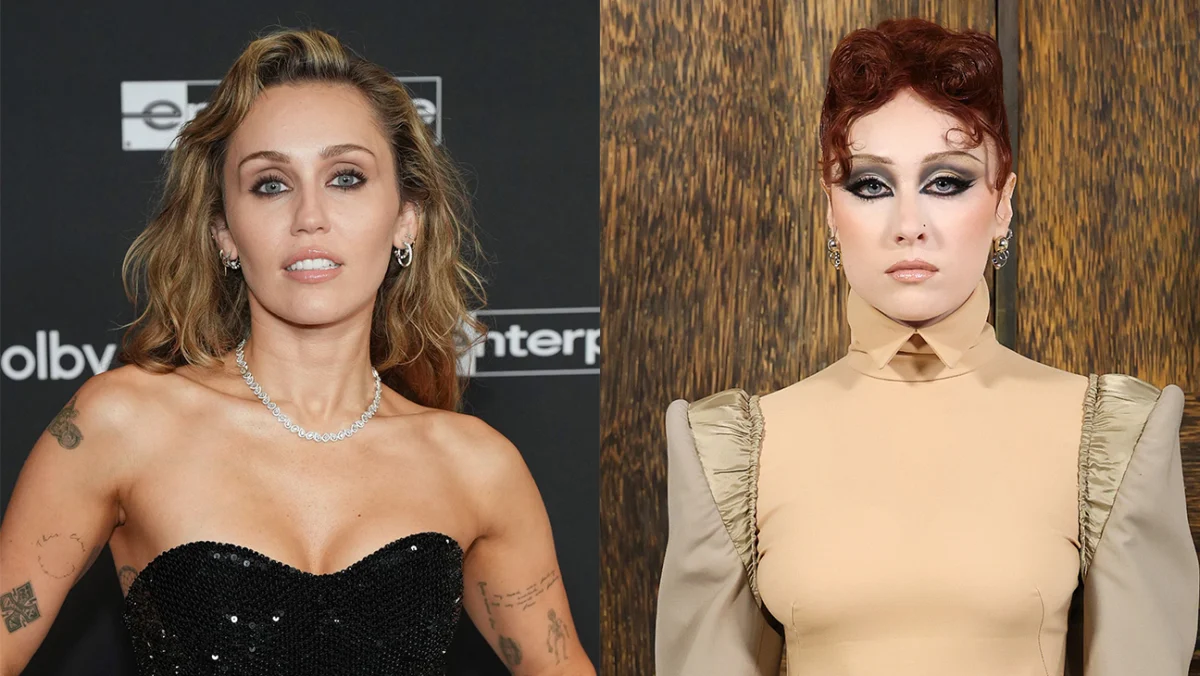
Pop sensation Chappell Roan recently lauded Miley Cyrus during the Hannah Montana 20th Anniversary Special, asserting that Cyrus "walked so I could run," a powerful acknowledgment of the trailblazing path Cyrus forged through intense public scrutiny. Roan’s candid remarks underscore the profound impact of Cyrus’s journey from Disney Channel star to an artist who redefined celebrity, facing considerable backlash that paved the way for future generations to navigate fame with greater autonomy. The special, which commemorates two decades since the iconic show’s debut, features Cyrus revisiting pivotal moments of her career alongside fellow artists and family.
Celebrating Two Decades of a Cultural Phenomenon
The Hannah Montana 20th Anniversary Special brings Miley Cyrus back to the familiar sets that launched her global career, offering a nostalgic look at the wigs, costumes, and early Hollywood experiences shared with her parents, Tish and Billy Ray Cyrus. This hour-long retrospective provides an intimate glimpse into the making of a pop culture phenomenon that captivated millions of young viewers worldwide. The special, now streaming on Disney+ and Hulu, serves as a poignant reflection on the enduring legacy of a show that blurred the lines between ordinary life and pop stardom.
Among the special’s notable guests is Selena Gomez, who famously played Hannah Montana’s on-screen nemesis, Mikayla. Their reunion sparked humorous reflections on the characters’ famously "vicious" exchanges. Gomez remarked on the aggressive nature of their fictional rivalry, stating, "It’s pretty mean! I don’t think they’d get away with saying half of that now." Cyrus playfully agreed, suggesting, "we can make amends now," highlighting how television narratives have evolved in their portrayal of conflict and character interactions over two decades.
Chappell Roan and Miley Cyrus: A Shared Path, Different Eras
The emotional core of the special, however, resonated most deeply with the appearance of Chappell Roan, a rising star who grew up watching Hannah Montana. Roan’s heartfelt tribute to Cyrus provided a generational perspective on the pressures of celebrity. "You literally walked so I could run," Roan told Cyrus, attributing her own ability to navigate public life, including confronting photographers on red carpets, to Cyrus’s pioneering efforts. Roan elaborated on this sentiment, explaining that Cyrus bore the brunt of public judgment during a particularly volatile period in media history.
"I was gagged for that," Cyrus responded, acknowledging Roan’s observation. Roan then clarified, "But that’s because you took a lot of the heat for that in 2012, 2013." This era notably encompasses the release of Cyrus’s album Bangerz and her infamous 2013 MTV Video Music Awards performance with Robin Thicke. Roan emphasized, "I don’t have to deal with that as much because the world really took it out on you." This commentary powerfully highlights the intense media scrutiny and moral panic that often targeted young female artists attempting to shed their child star personas during the early 2010s, an era preceding the more nuanced understanding of celebrity and mental health prevalent today.
The Bangerz Era and the Scrutiny of Female Artists
Miley Cyrus’s post-Hannah Montana transformation, particularly during the Bangerz album cycle, remains a pivotal moment in contemporary pop culture. After years of playing the wholesome Disney character, Cyrus consciously moved to redefine her image, embracing a more provocative, rebellious, and sexually liberated persona. Her VMA performance, characterized by twerking and bold costuming, was met with widespread condemnation from critics, parents, and even some fellow celebrities. The media narrative frequently painted Cyrus as out of control, desperate for attention, and a negative influence on her young fanbase.
This period predated the full maturity of social media and the widespread discussions around "cancel culture" as it is understood today. However, it represented an intense form of public shaming and character assassination, particularly directed at a young woman asserting her artistic and personal freedom. Many cultural commentators and media outlets were quick to judge, rarely offering context or empathy for an artist navigating the complex transition from child star to adult performer. This intense scrutiny, as Roan noted, created a crucible for Cyrus, forcing her to develop resilience and an unapologetic approach to her artistry, which has now, in retrospect, been re-evaluated by many as a necessary step in her evolution.
Paving the Way for Artistic Authenticity
Chappell Roan’s rise to prominence in the 2020s, with her distinct queer pop aesthetic and unapologetic stage presence, reflects a different cultural climate. While artists still face scrutiny, the groundwork laid by figures like Cyrus has shifted public perception. Roan’s ability to express her authentic self, including her theatrical performances and direct interactions with fans and media, is, in part, a testament to the battles fought by previous generations. The public, and indeed the media, have become somewhat more accustomed to artists pushing boundaries and expressing individuality, thanks to the often-harsh lessons learned from past public reactions to artists like Cyrus.
Roan’s observation that Cyrus’s struggles created a smoother path for her own career highlights a generational shift in how celebrity authenticity is perceived and tolerated. "To see you be the artist you are, to be able to do this, just shows like your heart and your appreciation for your younger self and what got you here," Roan commended Cyrus, recognizing the deep personal journey involved in reconciling past and present selves under the public eye.
Embracing the Past: A Message of Self-Love
Cyrus herself echoed this sentiment, emphasizing the overarching theme of the anniversary special. "That’s really what this whole moment, this whole celebration, is about — loving on our younger selves, knowing that my younger me worked so hard so I could have the life that I have now." This reflective stance underscores a broader trend among former child stars and public figures to reclaim their narratives and appreciate the formative experiences that shaped them, rather than disavowing difficult periods. It’s a message of self-acceptance and gratitude for the arduous journey of growth and transformation.
The special also featured other intriguing moments, including an interview segment with Call Her Daddy’s Alex Cooper, which provided a modern, conversational framework for Cyrus’s reflections. Cyrus also delved into Taylor Swift’s early appearance in 2009’s Hannah Montana: The Movie. Teasing, "get the tea kettle," Cyrus recalled Swift’s contribution, noting, "this was kind of the beginning of her career and they were looking for someone who would authentically, no shade, I guess, be performing in a barn. We both performed in the barn and so she came and did the performance." Swift not only appeared but also penned the movie’s finale song, "You’ll Always Find Your Way Back Home," which Cyrus enthusiastically declared, "She ate with that one," a colloquialism for doing something exceptionally well.
Musical Reimaginations and a Heartfelt Close
Throughout the special, Miley Cyrus took to the stage to perform modern renditions of Hannah Montana classics, including "Best of Both Worlds," "This is the Life," and "The Climb." These updated performances served as a bridge between her past and present artistic identities, showcasing her evolution while honoring her roots. The special concluded with a new song dedicated to her time on the show, delivered directly to the camera. "It’s been an honor to celebrate 20 years with Hannah Montana, and I’ve looked back at every memory with a heart full of love. Hannah, she gave me my start, but my fans gave me this life," Cyrus shared, encapsulating the deep connection she feels to her origins and her audience.
The Hannah Montana 20th Anniversary Special not only celebrates a beloved television show but also offers a powerful narrative on the complexities of child stardom, artistic evolution, and the changing landscape of celebrity culture. Through candid conversations and heartfelt tributes, it highlights how artists like Miley Cyrus endured intense public scrutiny, ultimately forging a path that now allows a new generation, exemplified by Chappell Roan, to embrace authenticity with greater freedom. The special serves as a testament to the enduring impact of a show and its star, whose journey continues to resonate with millions.