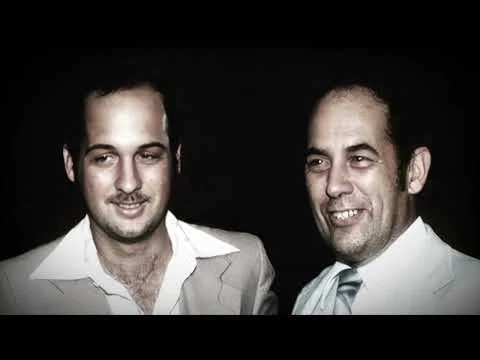
A new documentary film, "Sports Heaven: The Birth of ESPN," will premiere on April 6 at 8:30 p.m. ET on ESPN, offering an exclusive deep dive into the improbable creation of the pioneering cable sports network. This highly anticipated feature will explore the humble beginnings and audacious vision that transformed sports media forever, tracing the network’s journey from a nascent concept in the late 1970s to a global powerhouse. The film promises an intimate look at the challenges and triumphs faced by founder Bill Rasmussen and his team, who dared to imagine a 24/7 sports channel when such an idea was widely dismissed as fantastical.
The Audacious Vision: Unpacking ESPN’s Origin Story
The documentary chronicles the remarkable ESPN origin story, beginning with Bill Rasmussen’s transformative idea. Rasmussen, who had recently been fired from his position with the New England Whalers of the World Hockey Association in 1978, conceived of a dedicated television network that would broadcast sports all day, every day. This concept was revolutionary at a time when sports programming was largely confined to weekend network television slots and major events.
Rasmussen’s son, Scott Rasmussen, along with their earliest partners, quickly joined the ambitious venture. They embarked on a challenging 14-month journey to turn this seemingly impossible dream into a tangible reality. The vision for a continuous sports channel was met with significant skepticism, with many industry veterans deeming it financially unfeasible and logistically unworkable.
A Media Landscape Ripe for Disruption
Before ESPN’s advent, the sports broadcasting landscape was starkly different. Major networks like ABC, CBS, and NBC held exclusive rights to marquee events, offering limited coverage that left vast swathes of sporting content unseen. Fans often waited days for highlights or relied on local newspapers for updates, creating a hunger for more immediate and comprehensive sports information.
The late 1970s, however, marked a pivotal period for cable television and satellite technology. The burgeoning cable industry was seeking compelling content to attract subscribers, while advancements in satellite communication made it technically feasible to distribute programming across vast geographical areas. This confluence of technological innovation and market demand created a unique window of opportunity for a bold new concept like ESPN.
From Bristol, Connecticut to Sports Heaven
The nascent network found its unlikely home in Bristol, Connecticut, a location far removed from the traditional media hubs of New York or Los Angeles. From this unassuming base, Rasmussen and his small, dedicated team set about securing the necessary financial backing and crucial programming deals. Their persistence paid off when Getty Oil, then a major petroleum company, agreed to invest significantly in the venture.
Getty Oil’s investment was a game-changer, providing the capital needed for satellite distribution technology and operational costs. Equally critical was a landmark deal forged with the National Collegiate Athletic Association (NCAA), which granted ESPN rights to broadcast numerous college sports events. This partnership ensured a steady stream of live content, a vital component for a 24/7 network struggling to fill airtime.
ESPN officially launched on September 7, 1979, with its initial programming mix featuring a variety of lesser-known sports, college games, and studio shows. The first words ever uttered on the network by anchor Lee Leonard set the tone: "If you’re a fan, what you’ll see in the next minutes, hours and days to follow may convince you you’ve gone to sports heaven." Despite this ambitious opening, the early days were challenging, as the network struggled to gain traction and secure rights to major professional sports, which were then firmly held by established broadcast networks.
Transforming the Sports Media Landscape
The documentary, Sports Heaven: The Birth of ESPN, draws its title from those iconic opening words, capturing the pioneering spirit of the network. While initial programming might not have included "home runs" or "slam dunks" from major leagues, ESPN rapidly began to redefine sports consumption. Its continuous coverage gave rise to the 24/7 news cycle for sports, creating a dedicated platform for analysis, commentary, and instant updates that had previously been unimaginable.
The network’s commitment to showing a diverse range of sports, from badminton to lumberjack competitions, broadened the appeal of niche athletics and fostered new fan bases. Over time, as cable penetration grew and ESPN’s audience expanded, it began to acquire rights to increasingly prominent sporting events. This evolution cemented its status as a central pillar of sports culture, influencing how games were watched, discussed, and understood. The development of shows like SportsCenter revolutionized sports highlights and commentary, creating a template for sports news that endures to this day.
Reflecting on the Legacy: Voices from the Documentary
The film features extensive interviews with many of the individuals who were instrumental in ESPN’s formative years. Founder Bill Rasmussen expresses his delight at the timing of the documentary’s release, noting, "With the NCAA playing such an important role in ESPN’s birth, I’m delighted our origin story will air this year at the cap of March Madness." He emphasized the film’s accuracy in capturing the "amazing story" and thanked ESPN for its support and all the pioneers who shared their narratives. Rasmussen articulated his anticipation of watching the story unfold nearly five decades after its inception.
Director Greg DeHart elaborates on the monumental task faced by the Rasmussens. "Imagine someone challenging you to start a new television network in an industry you know very little about, with no money, no programming, and no advertisers – and somehow turn it into one of the most recognizable brands in the world," DeHart stated. He lauded Bill and Scott Rasmussen for achieving this feat in a mere 14 months, expressing gratitude to ESPN for entrusting his team with the opportunity to tell the "remarkable and improbable story" of how a bold idea fundamentally transformed sports media.
Key figures interviewed in the documentary include Chuck Pagano, Mary Walton, George Grande, George Conner, Geoff Bray, Rosa Gatti, George Bodenheimer, Chris Berman, Bob Ley, Jimmy Pitaro, Mike Soltys, Josh Krulewitz, Howard Baldwin, Dennis Randall, Ken Boudreau, Mike Buckler, Al Parinello, John Leone, Greg Wyatt, and J.B. Doherty. Mike Soltys, an ESPN historian, also serves as a producer for the film, alongside Tenero Productions, with Garrett Sutton as executive producer. This comprehensive collection of voices provides an authentic and multifaceted account of the network’s challenging journey.
ESPN’s Next Chapter: The Digital Frontier
The documentary on ESPN’s birth arrives at a pivotal moment in the network’s own ongoing evolution. While the film celebrates a time when cable television was the cutting edge, ESPN is now navigating a significant shift toward digital platforms. The network, once a symbol of cable’s dominance, is actively looking beyond traditional cable delivery systems, acknowledging that what was once innovative is now considered by many to be an aging model.
In a significant move reflecting this strategic pivot, ESPN is set to launch its new comprehensive streaming application, simply titled "ESPN," on August 21, 2025. This app will consolidate all of the brand’s cable channel offerings and additional exclusive digital content, carrying a monthly subscription cost of $29.99. This move underscores the broader industry trend of "cord-cutting" and the increasing demand for direct-to-consumer streaming options. The launch of this new app represents ESPN’s commitment to remaining at the forefront of sports media, adapting its distribution model to meet the evolving habits of its audience.
The Enduring Power of a Crazy Idea
The release of "Sports Heaven: The Birth of ESPN" is more than just a nostalgic look back; it is a testament to the power of audacious vision and relentless execution. The ESPN origin story documentary serves as a crucial reminder of the challenges inherent in disrupting established industries and the profound impact a single, "crazy" idea can have on global culture. From a small town in Connecticut, fueled by a unique blend of desperation and daring, ESPN not only created a new network but fundamentally reshaped how the world consumes and interacts with sports. As the network embarks on its next chapter in the digital age, understanding its foundational journey provides invaluable context for its continued influence and innovation in the ever-evolving landscape of sports media.