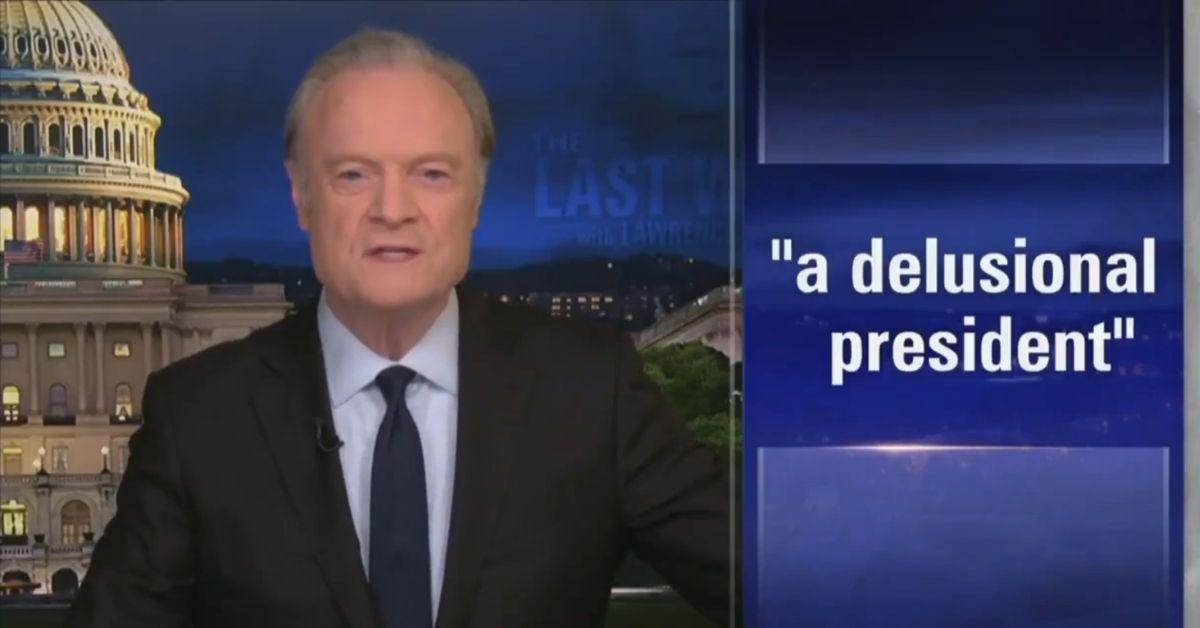
MSNBC host Lawrence O’Donnell leveled sharp criticism at Barron Trump, the only son of Donald and Melania Trump, labeling him "more spoiled than a princess" during a recent broadcast. The commentary, which aired on the March 25 episode of "The Last Word" podcast, ignited a fresh round of debate regarding the public scrutiny of political families and the sensitive topic of military service, particularly as online discussions around a potential draft for a hypothetical "war in Iran" gained traction. O’Donnell’s remarks specifically addressed Barron’s perceived lack of military enlistment in light of these speculative draft rumors, drawing comparisons to historical figures and other members of the Trump family.
Background and Context of Public Scrutiny
The Trump family, accustomed to intense media attention throughout Donald Trump’s presidency and subsequent political endeavors, has frequently found its members, including children, at the center of public discourse. Barron Trump, now 20 years old, has largely been shielded from the political spotlight by his mother, Melania Trump, though his emergence into adulthood inevitably brings increased visibility. The unique position of presidential children often subjects them to a level of public interest and expectation that is unparalleled, balancing their right to privacy with the public’s curiosity about influential families.
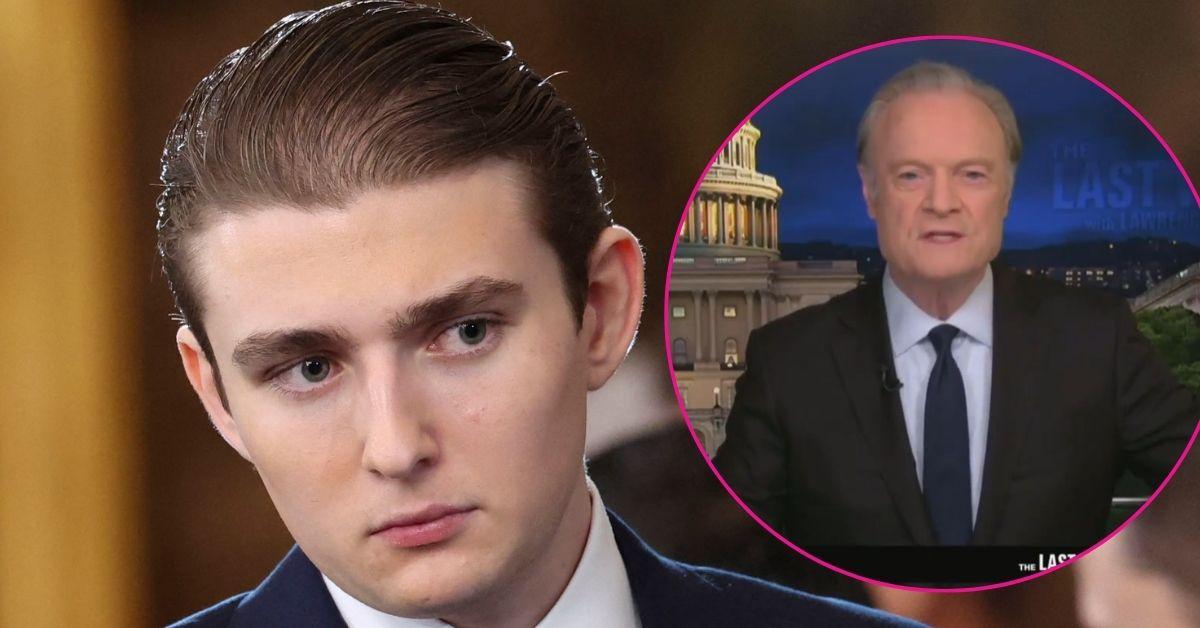
The discussion surrounding military service for children of public figures is not new in American politics. Throughout history, many presidential children and grandchildren have served in the armed forces, while others have pursued different paths. This often becomes a point of comparison and debate, particularly during periods of international conflict or heightened patriotic sentiment. O’Donnell’s remarks about Barron Trump’s perceived "spoiled" status and his decision not to enlist tap into this long-standing societal expectation and the narrative of sacrifice often associated with military service.
The specific context for O’Donnell’s commentary involved a confluence of factors, including the emergence of a parody website, "draftbarrontrump.com," and general online chatter following an unspecified "military action" on February 28, which O’Donnell linked to a hypothetical "war in Iran." While the U.S. has not implemented a military draft since 1973, the concept remains a potent symbol in political rhetoric, often invoked to highlight perceived disparities in sacrifice or commitment during times of national tension. The Selective Service System still requires most male U.S. citizens and male immigrants residing in the U.S. to register between the ages of 18 and 25, though active conscription would require an act of Congress and the President’s approval.
The Broadcast and O’Donnell’s Commentary
Lawrence O’Donnell, known for his incisive political commentary on MSNBC, dedicated a segment of "The Last Word" to what he characterized as the Trump family’s detachment from military service. His focus quickly turned to Barron Trump, who had recently celebrated his 20th birthday. O’Donnell directly contrasted Barron’s situation with that of Princess Elizabeth (later Queen Elizabeth II), who served in uniform during World War II while her father was the King of England.
"After Barron Trump celebrated his 20th birthday in lavish style last week as a Trump, he could have marched straight down to a recruiting station and joined the army to fight in his father’s war. But he didn’t," O’Donnell stated during the broadcast. He then posed rhetorical questions designed to underscore his point: "Does Barron Trump know how to drive? Could he drive an ambulance in the army, or is he not quite as tough as the 18-year-old Princess Elizabeth was when she joined the war effort?" The MSNBC host concluded this line of argument by asserting, "Imagine being more spoiled than an English princess on her way to becoming queen of England," and later doubling down, adding that Barron is "more spoiled than the British royal family."
O’Donnell did not limit his critique to Barron alone. He extended his commentary to Donald Trump’s older children, Donald Trump Jr. and Eric Trump, chastising them for their absence from military service during significant national events. He pointed out that both Donald Jr. and Eric were of enlistment age during the September 11, 2001, terrorist attacks, an event that spurred thousands of young Americans to join the armed forces. "Thousands of young American men and women on that day decided to join the United States military, but not the Trumps," O’Donnell remarked. He further elaborated, stating, "As the wars of their era began in Afghanistan and Iraq, Donald Trump Jr. and Eric Trump followed in the family tradition of silently watching others go off to war."
The MSNBC host then singled out Eric Trump, now 42, suggesting that recent changes to enlistment age regulations might still make him eligible for service. "Eric Trump has been left with a wide open opportunity to become the brave Trump, the first and only brave Trump in history," O’Donnell declared, broadening his challenge to include Tiffany Trump as well. He concluded this segment by proclaiming, "And so tonight, with the three Trumps available for military service in their father’s war, Eric Trump, Tiffany Trump and Barron Trump, the world waits for the emergence of the first brave Trump." The segment underscored a perceived generational pattern within the Trump family regarding military contributions, framed within the context of contemporary geopolitical tensions.
Public Reaction and Media Scrutiny

Lawrence O’Donnell’s pointed remarks about Barron Trump immediately triggered a significant wave of public reaction across social media platforms and news outlets. The comments sparked a polarized debate, with many critics condemning O’Donnell for targeting a private citizen, particularly a young man who has largely been kept out of the political fray by his parents. Opponents of O’Donnell’s stance argued that it is inappropriate and potentially harmful to involve children of public figures in political attacks, regardless of their age, especially when they have not actively sought public office or engaged in political campaigning. This sentiment resonated with a broader ethical discussion within journalism about the boundaries of reporting and commentary concerning the families of politicians.
Conversely, a segment of the public and O’Donnell’s supporters defended his critique, viewing it as a legitimate point of political commentary. They argued that the children of influential political figures, especially those who benefit from their family’s status, are not entirely immune to public scrutiny, particularly when their family promotes nationalist or militaristic policies. The comparison to Princess Elizabeth’s wartime service resonated with those who believe that leadership and privilege come with an inherent expectation of civic duty or sacrifice, especially during times of national need or hypothetical conflict. The existence and growing traction of the "draftbarrontrump.com" parody site further amplified these discussions, whether it was intended as satire or as a genuine call to action, it contributed to the narrative O’Donnell addressed.
The incident highlighted the persistent challenges of media ethics in the digital age, where lines between political commentary, personal attacks, and the privacy of individuals, especially young adults, often become blurred. The intensity of the reaction underscored the deep divisions within the American political landscape and the willingness of commentators and the public alike to engage in highly personal critiques.
Barron Trump’s Privacy and Future
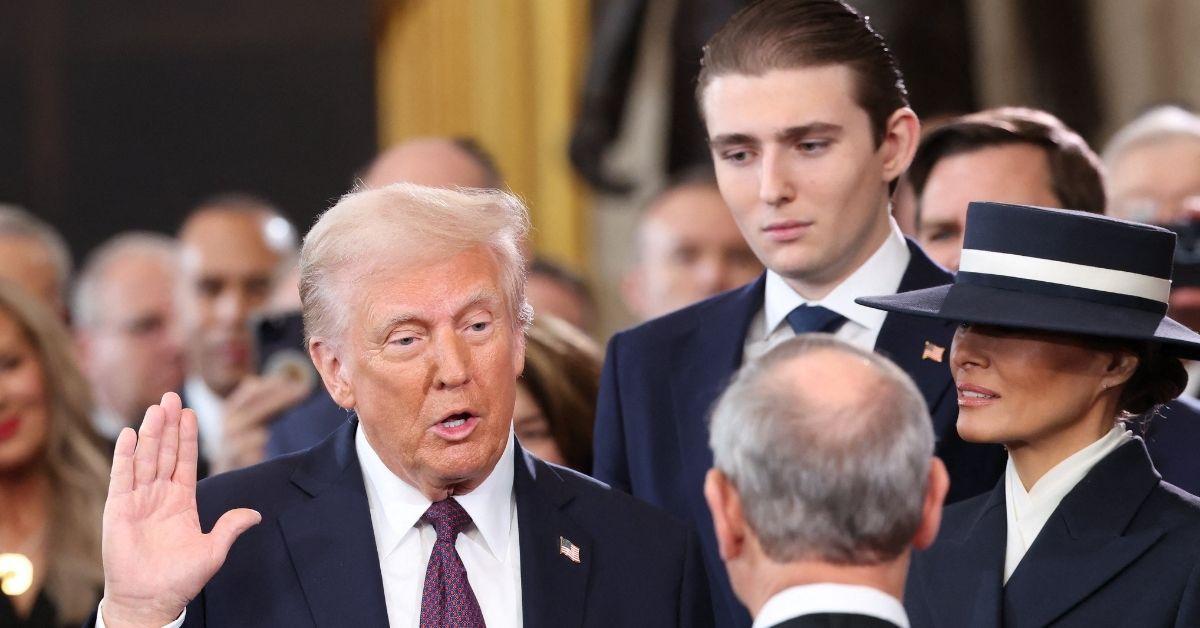
Amidst the swirling political commentary and public debate, Melania Trump has reportedly intensified her efforts to safeguard Barron Trump’s privacy. Sources close to the family indicate that the former First Lady has implemented stringent rules at Mar-a-Lago, the Trump family’s Florida residence, specifically targeting media and club members. These directives explicitly prohibit the filming or photographing of her son during public events held at the club. "Melania made it very clear that Barron’s privacy is non-negotiable," an insider revealed, adding that "Anyone caught filming or taking pictures would face immediate consequences, including potential banning from the club." These measures underscore Melania’s long-standing commitment to protecting Barron from the intense media glare that has followed the Trump family.
Barron himself has reportedly taken steps to mitigate public attention. Following his return to the White House with his parents in January 2025, he made a strategic decision regarding his higher education. He transferred from New York University’s Manhattan campus to its Washington, D.C., location in the fall of 2025. This move was reportedly motivated by a desire to be closer to his parents while simultaneously seeking a less conspicuous academic environment. The D.C. campus offers a degree of proximity and perhaps a different social dynamic that might afford him more anonymity compared to the high-profile New York City setting, allowing him to pursue his studies with fewer interruptions from public scrutiny.
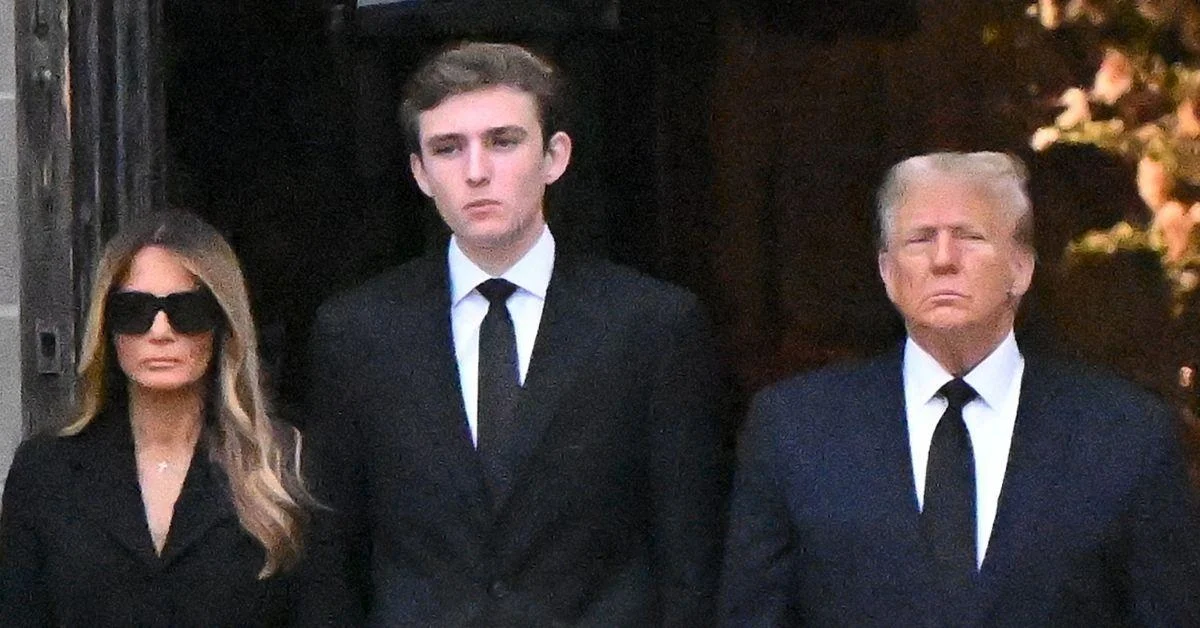
Recent observations of Barron Trump’s public appearances have also reinforced the narrative of a young man attempting to navigate a high-profile existence with a preference for discretion. An insider recounted Barron’s solemn demeanor during a holiday event, noting, "Barron was solemnly following his father through the dining room. He was quiet, very reserved, wearing his usual blue suit, almost mirroring Donald." Another source further emphasized his reserved nature, stating, "He didn’t smile or interact much." These accounts paint a picture of a young man grappling with the inherent challenges of growing up as the child of a former president, particularly during a period of intense political polarization and media interest, and actively seeking to maintain a semblance of normalcy and privacy.
Broader Implications and Political Discourse
The incident involving Lawrence O’Donnell’s remarks about Barron Trump and the subsequent public reaction highlights several broader implications for contemporary political discourse. One significant aspect is the continued weaponization of family members in political battles. While politicians’ spouses and adult children often become public figures by association or choice, the targeting of younger, more private individuals like Barron raises ethical questions about where the line should be drawn. This practice can escalate political rivalries into highly personal attacks, diverting attention from policy debates and further polarizing the electorate. The intense focus on Barron’s perceived "spoiled" status, rather than a critique of Donald Trump’s actual policies or actions, exemplifies this trend.
Moreover, the controversy underscores the role of cable news in shaping and often exacerbating political polarization. O’Donnell’s commentary, delivered on a prominent MSNBC program, reached a wide audience and was designed to provoke a strong reaction. Such broadcasts contribute to an ecosystem where sensationalism and personal attacks can sometimes overshadow in-depth analysis and balanced reporting. The immediate and widespread social media response further illustrates how these narratives are amplified and distorted across digital platforms, creating echo chambers where existing biases are reinforced.
Looking ahead, the incident may also influence the public roles of the Trump children. While Donald Jr. and Eric Trump have actively embraced political roles and media appearances, the constant scrutiny and the nature of attacks, even on a more private figure like Barron, could shape their future involvement. The challenges faced by Barron, particularly his efforts to maintain privacy while pursuing higher education, reflect the immense pressure on presidential offspring. This ongoing tension between the public’s fascination with political families and the individuals’ right to a private life remains a defining feature of the American political landscape.
The debate surrounding O’Donnell’s comments on Barron Trump serves as a potent reminder of the complexities inherent in public life for political families. It brings to the forefront the ethical dilemmas faced by media organizations, the often-unforgiving nature of political discourse, and the profound impact of public scrutiny on individuals, particularly those who have not actively chosen a life in the public eye. The discussion continues to unfold, revealing the deeply entrenched divides in how sacrifice, privilege, and public duty are perceived in modern American society.