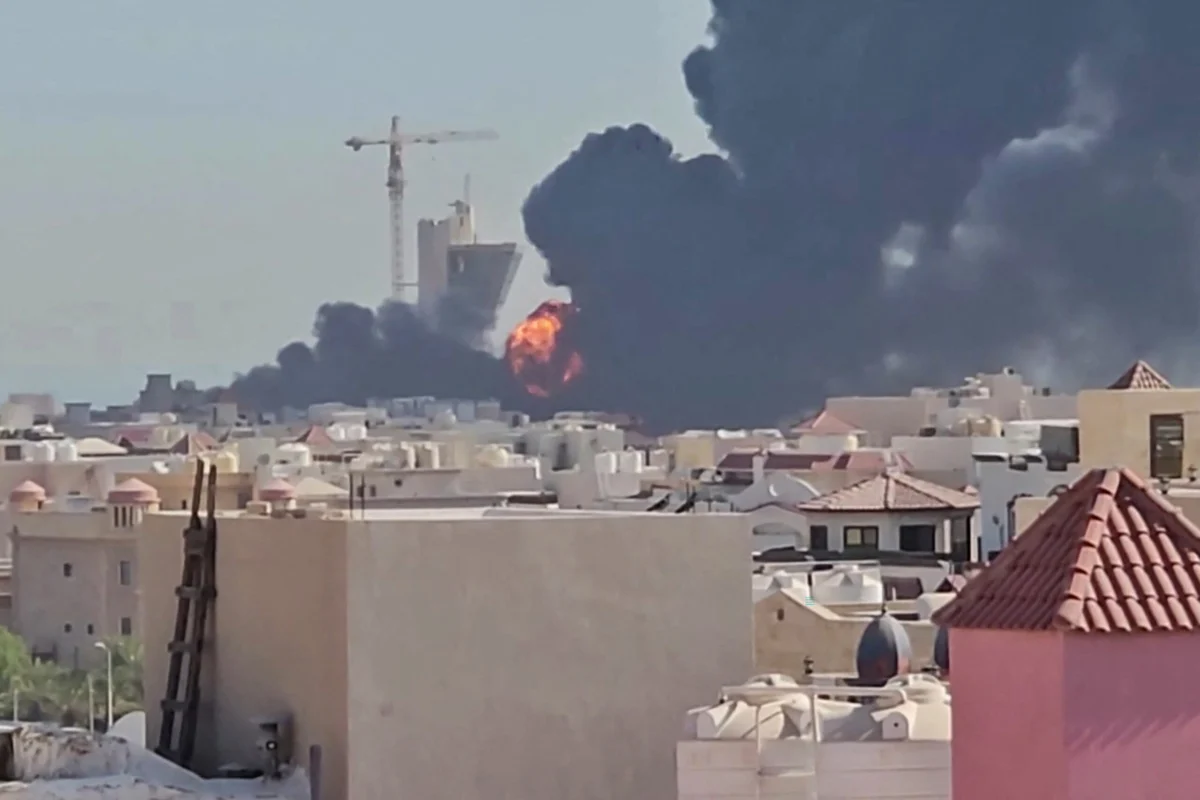
The United States has intensified its military operations against Iran, launching new strikes for the eighth consecutive night, as President Donald Trump expressed profound sorrow over the deaths of American service members in a recent attack in Jordan. The escalating conflict underscores a deepening geopolitical crisis in the Middle East, with regional stability hanging precariously in the balance. The targeted strikes represent a significant escalation of American retaliatory measures following a series of provocations attributed to Iranian-backed forces.
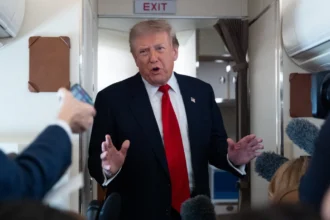
The grim news of the fallen soldiers cast a pall over the ongoing military engagement. President Trump, speaking from the White House, described the loss of life as a "sad thing" and vowed that those responsible would face severe consequences. The incident in Jordan, where the service members were killed, has ignited a fresh wave of anger and resolve within the American administration and military leadership. This tragic event serves as a stark reminder of the immense human cost of escalating tensions in the volatile region.
Escalation of U.S. Military Action
The U.S. military’s sustained offensive against Iranian targets marks a significant departure from previous retaliatory actions, signaling a determined effort to degrade Iran’s military capabilities and deter future aggression. These strikes are reportedly aimed at disrupting the infrastructure and logistics networks that support Iranian proxy groups operating throughout the Middle East. The decision to launch continuous strikes highlights a strategic shift, suggesting that the U.S. is prepared for a prolonged period of heightened military activity.
Sources within the Pentagon have indicated that the strikes are meticulously planned and executed to minimize civilian casualties while maximizing their impact on Iranian military assets. The targets are believed to include weapons depots, training facilities, and command-and-control centers. The prolonged nature of the offensive suggests a comprehensive strategy designed not only to respond to immediate threats but also to alter the strategic calculus of Iran and its allies.
The Jordan Attack and its Aftermath
The attack in Jordan, which resulted in the death of three U.S. service members and the injury of several others, has been a critical catalyst for the recent surge in U.S. military operations. The incident occurred at a remote base near the Syrian border, a region known for its porous borders and the presence of various militant groups. While initial reports suggested a drone attack, investigations are ongoing to determine the precise nature and origin of the strike.
The loss of American lives in a non-combat zone, particularly at a location where U.S. forces are engaged in counter-terrorism operations, has been met with widespread condemnation. The attack has reignited debates about the effectiveness of current U.S. security postures in the region and the persistent threat posed by Iran and its proxies. The U.S. has unequivocally blamed Iran for enabling and supporting the groups responsible for the attack, further fueling the retaliatory measures.
Iran’s Role and Regional Dynamics
Iran has consistently denied direct involvement in attacks orchestrated by groups it supports, often characterizing them as independent actors defending their interests. However, U.S. intelligence and military assessments point to a clear pattern of Iranian facilitation, including the provision of weapons, training, and financial backing to various militias and militant organizations across the Middle East. These groups, often referred to as the "Axis of Resistance," are seen as extensions of Iranian foreign policy.
The current U.S. military campaign is therefore directed not only at specific Iranian assets but also at dismantling the network of proxy forces that Tehran has cultivated over decades. This strategy aims to curb Iran’s regional influence and limit its ability to project power through non-state actors. The broader implications of this strategy are significant, potentially leading to a wider regional conflict if not managed carefully.
International Reactions and Concerns
The escalating military engagement has drawn a mixture of concern and cautious support from international allies. While many nations share U.S. concerns about Iran’s destabilizing activities, there is also apprehension about the potential for a full-blown regional war. Diplomatic channels are reportedly active as international bodies and key global powers seek to de-escalate the situation and prevent further bloodshed.
European allies, in particular, have emphasized the need for a diplomatic resolution, warning of the catastrophic consequences of an expanded conflict. However, the gravity of the U.S. casualties has shifted the tone, with many acknowledging the U.S. right to self-defense. The ongoing diplomatic efforts are focused on finding a pathway to de-escalation while ensuring accountability for the attacks.
Economic and Political Ramifications
The heightened military activity and the ensuing geopolitical uncertainty have begun to impact global markets, particularly oil prices. Fluctuations in the Persian Gulf region have historically had a ripple effect on energy supplies, and the current tensions are no exception. Analysts are closely monitoring the situation for any potential disruptions to oil production or shipping routes.
Politically, the conflict has intensified domestic debates within the United States regarding foreign policy and military intervention. President Trump’s administration is under pressure to demonstrate a decisive response while also avoiding a protracted and costly engagement. The upcoming elections could also be significantly influenced by the ongoing developments in the Middle East, with national security and foreign policy taking center stage.
Future Outlook and Potential Scenarios
The trajectory of the current conflict remains uncertain, with multiple potential scenarios unfolding. A continued de-escalation of U.S. strikes, coupled with diplomatic pressure, could lead to a temporary cooling of tensions. Conversely, miscalculation or further provocations could trigger a more significant military confrontation, drawing in other regional actors and potentially leading to a wider war.
The effectiveness of the U.S. military campaign in achieving its objectives will be a key determinant of future developments. If the strikes successfully degrade Iran’s offensive capabilities and deter future attacks, it could pave the way for renewed diplomatic efforts. However, if Iran retaliates with significant force or if its proxies continue to target U.S. interests, the situation could rapidly deteriorate. The coming days and weeks will be critical in shaping the future of this volatile geopolitical landscape.