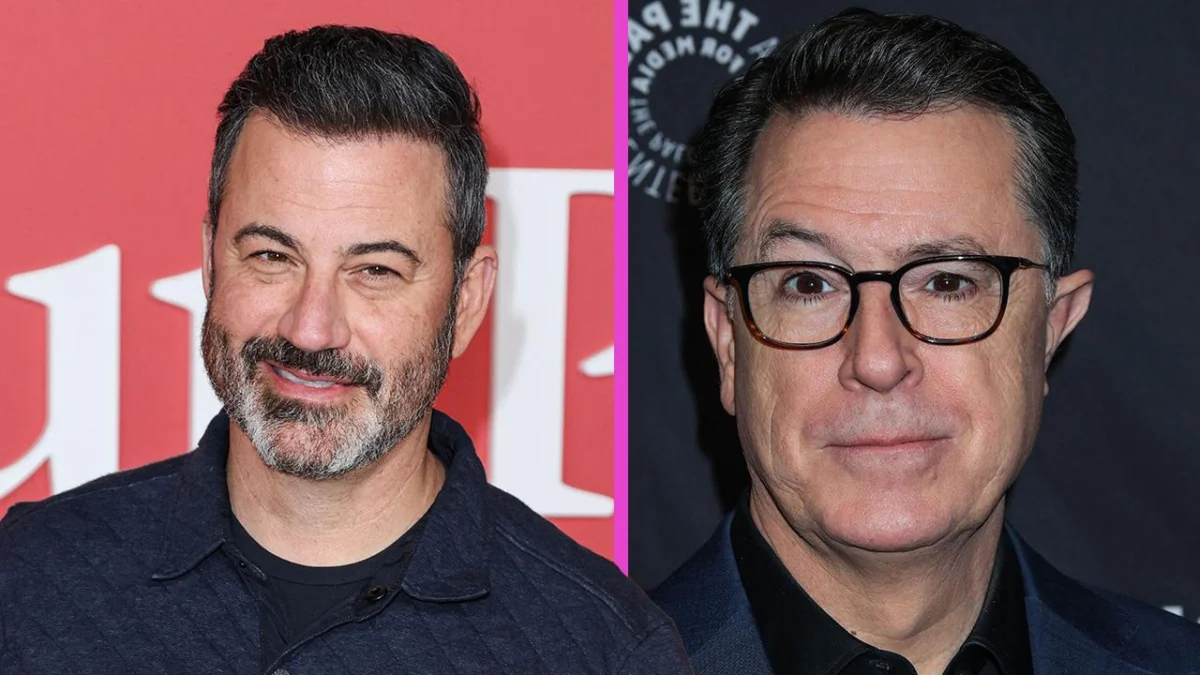
The offer from Kimmel, host of ABC’s "Jimmy Kimmel Live!", to Colbert, formerly of CBS’s "The Late Show," highlights a unique moment of camaraderie and competition within the entertainment industry. Kimmel’s invitation extended beyond a mere temporary fill-in, signaling a deeper respect for his peer’s talent, particularly in the wake of Colbert’s abrupt departure from his long-running CBS program. This gesture has sparked discussions about the future of late-night and the evolving career paths of its most recognizable faces.
The Shifting Sands of Late-Night Television
Late-night television has long been a cornerstone of American broadcasting, offering a blend of comedy, celebrity interviews, and topical commentary. Historically, the landscape has been defined by fierce rivalries and shifting allegiances, often dubbed "late-night wars." From Johnny Carson’s reign to the Leno-Letterman era, these programs have captured national attention, influencing public discourse and shaping comedic talent. In recent decades, the proliferation of channels and, more recently, the rise of streaming platforms have fragmented audiences, making the traditional network late-night slot increasingly challenging to maintain.
Jimmy Kimmel has anchored "Jimmy Kimmel Live!" on ABC since 2003, establishing himself as a fixture in the post-11:30 PM slot. Known for his everyman persona, sharp wit, and emotional monologues on personal and political issues, Kimmel has cultivated a loyal audience. His show has consistently vied for viewership with competitors on other major networks, adapting its format and content to remain relevant in a rapidly changing media environment.
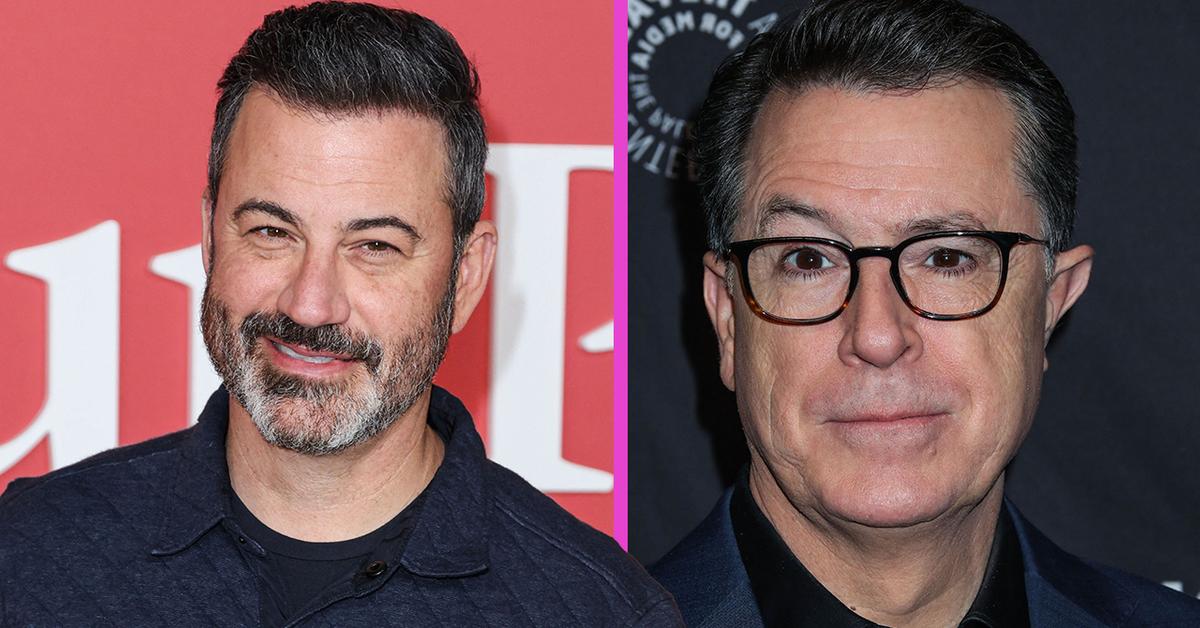
Stephen Colbert, on the other hand, transitioned to "The Late Show" on CBS in 2015, following a highly successful tenure as the host of "The Colbert Report" on Comedy Central. His move to a mainstream network late-night show was met with considerable anticipation, as he brought his distinct brand of satirical political commentary and intellectual humor to a broader audience. For years, "The Late Show with Stephen Colbert" was a critical darling and often a ratings leader, particularly during politically charged periods, demonstrating Colbert’s ability to engage viewers with insightful and often biting satire.
Colbert’s Departure and Kimmel’s Public Stance
The news of "The Late Show with Stephen Colbert" being canceled by CBS in May sent ripples through the entertainment industry. While the exact reasons for the network’s decision were not fully detailed publicly, industry observers speculated about declining traditional television viewership, rising production costs, and a broader strategic reevaluation by CBS regarding its late-night programming. The finale episode in May marked the end of an era for many of Colbert’s dedicated fans, leaving a void in the competitive late-night lineup.
In the immediate aftermath of Colbert’s show ending, Jimmy Kimmel wasted no time in publicly addressing the situation. He framed his own show, "Jimmy Kimmel Live!", as an "orphanage" for displaced late-night audiences and hosts, a jocular yet pointed remark that underscored his empathy for Colbert and his staff. More significantly, Kimmel launched a scathing critique of CBS for its decision, expressing his disapproval in no uncertain terms. He sarcastically thanked the network for what he perceived as a "massive ratings boost" for his own program, implying that CBS’s move had inadvertently benefited ABC.
Kimmel’s commentary escalated to a direct call for a boycott of CBS programming. In his May 20 monologue, he stated, "I hope the people who did the pushing feel ashamed of themselves tonight, although they probably won’t. I hope those of you who watch our show will also tune into CBS for the last time. Don’t ever watch it again, but watch tomorrow night to show Stephen and our friends at The Late Show a fun farewell. Now, let’s talk about the a——- who forced them off the air." This bold public condemnation from one network’s star against another demonstrates a rare display of inter-network solidarity, highlighting the deep personal connections and mutual respect that can exist even among competitors.

It was in this context of public support and industry upheaval that Kimmel extended his offer to Colbert. "Of course, I asked him, and I think it feels premature," Kimmel reportedly stated in a recent interview. He further elaborated on his willingness to accommodate Colbert, saying, "But I told him, ‘anytime you want to host, it doesn’t matter if it’s the summer, I’ll gladly step aside.’" This open-ended invitation suggests that Kimmel’s offer was not a fleeting thought but a genuine expression of a standing opportunity, reflecting his desire to see Colbert remain a presence in late-night television, even if temporarily.
Navigating the Post-Late Show Landscape
Colbert’s decision to turn down Jimmy Kimmel’s guest host offer, citing it as "premature," provides insight into his current mindset and future aspirations. For a host of Colbert’s stature, stepping into a guest role on a rival network’s show so soon after his own program’s cancellation could be perceived in various ways. It might suggest a lack of new, immediate opportunities, or perhaps a hasty return to a format he just left under less-than-ideal circumstances. His "premature" assessment likely indicates a desire to take a deliberate pause, reflect, and carefully consider his next professional move rather than jumping back into the late-night circuit as a temporary stand-in.
The optics of such a move are also significant. While Kimmel’s offer was undoubtedly a gesture of friendship and professional respect, Colbert might be keen to avoid any perception of desperation or an inability to chart his own course. Guest hosting could dilute the impact of his departure from "The Late Show" and potentially complicate future negotiations for new projects, particularly if he aims for a more permanent and distinct role elsewhere. Taking time away allows him to redefine his brand and explore ventures that align with his long-term creative vision.
Kimmel’s public offer, while generous, also serves a dual purpose. Beyond genuine support for Colbert, it subtly reinforces "Jimmy Kimmel Live!" as a welcoming home for talent, positioning ABC as an accommodating network. By extending such an open invitation, Kimmel also signals his confidence in his own show’s stability and success, demonstrating a magnanimous spirit that resonates well with audiences. His willingness to "gladly step aside" for Colbert speaks volumes about his professional respect and personal friendship.
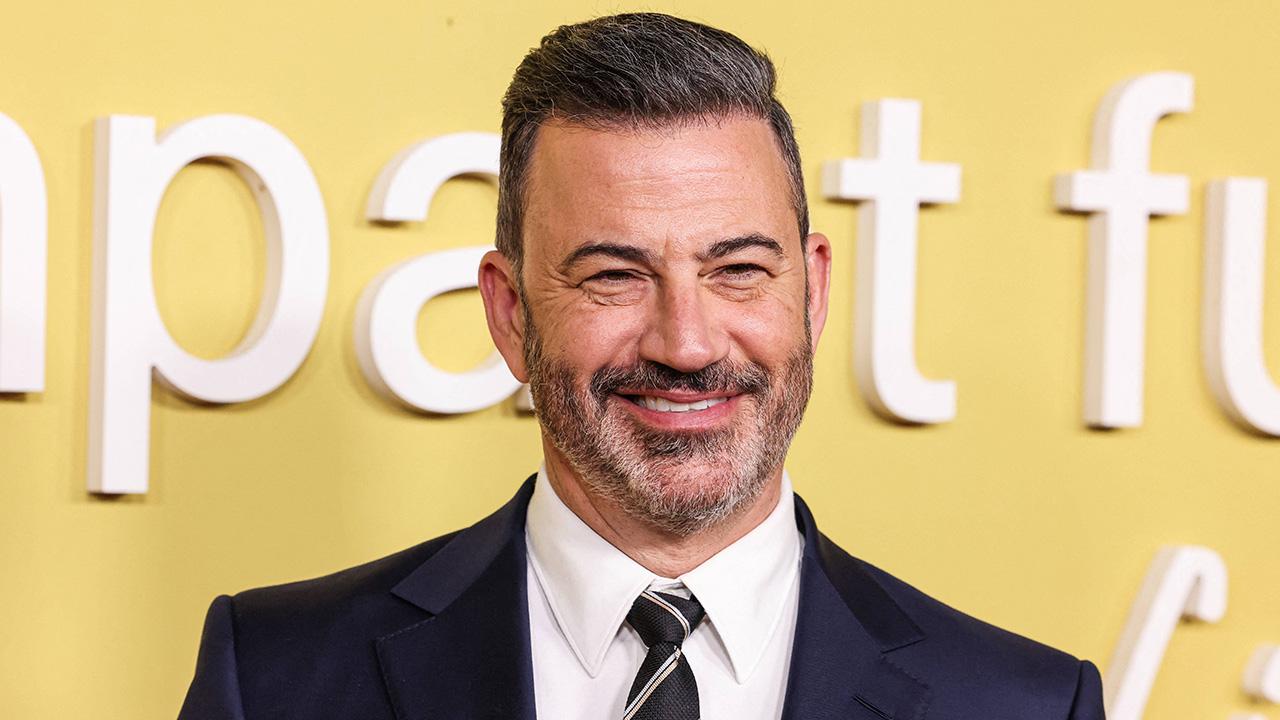
The cancellation of "The Late Show" has undeniably impacted the broader late-night ecosystem. Viewership patterns have shifted, with audiences potentially migrating to other established hosts or exploring alternative forms of entertainment. Kimmel’s candid observation about his own show receiving a "ratings boost" after Colbert’s departure is a stark reminder of the zero-sum game often played in linear television. Networks are constantly evaluating their investments against viewership numbers and advertising revenue, leading to difficult decisions that reshape the industry.
Industry Reactions and Viewer Loyalty
The entertainment industry reacted with a mix of surprise and concern to "The Late Show’s" cancellation. Stephen Colbert had cultivated a deeply loyal fanbase, particularly among viewers who appreciated his nuanced political commentary and unique comedic style. The abruptness of the decision left many fans feeling disenfranchised, leading to widespread discussion on social media platforms about the state of late-night television and the perceived value networks place on critically acclaimed but potentially less broadly appealing programming.
Kimmel’s viewership indeed saw an increase following "The Late Show" finale. This phenomenon is not uncommon when a major program exits the airwaves; its audience often disperses to similar offerings, at least in the short term. For ABC, this ratings uptick represented a tangible, if somewhat bittersweet, gain from a competitor’s setback. It underscored the fierce competition for eyeballs in an increasingly fragmented media landscape, where every percentage point of market share is crucial.
CBS’s motivations for canceling "The Late Show" likely stemmed from a complex interplay of factors beyond just immediate ratings. The broader trend of declining traditional television viewership, particularly among younger demographics, has forced networks to reevaluate their entire programming strategies. Production costs for late-night shows, with their large writing staffs, house bands, and celebrity booking demands, are substantial. A network might seek to reallocate resources to develop new content for its streaming platforms or invest in genres with higher growth potential, even if it means sacrificing a critically respected, long-running program.
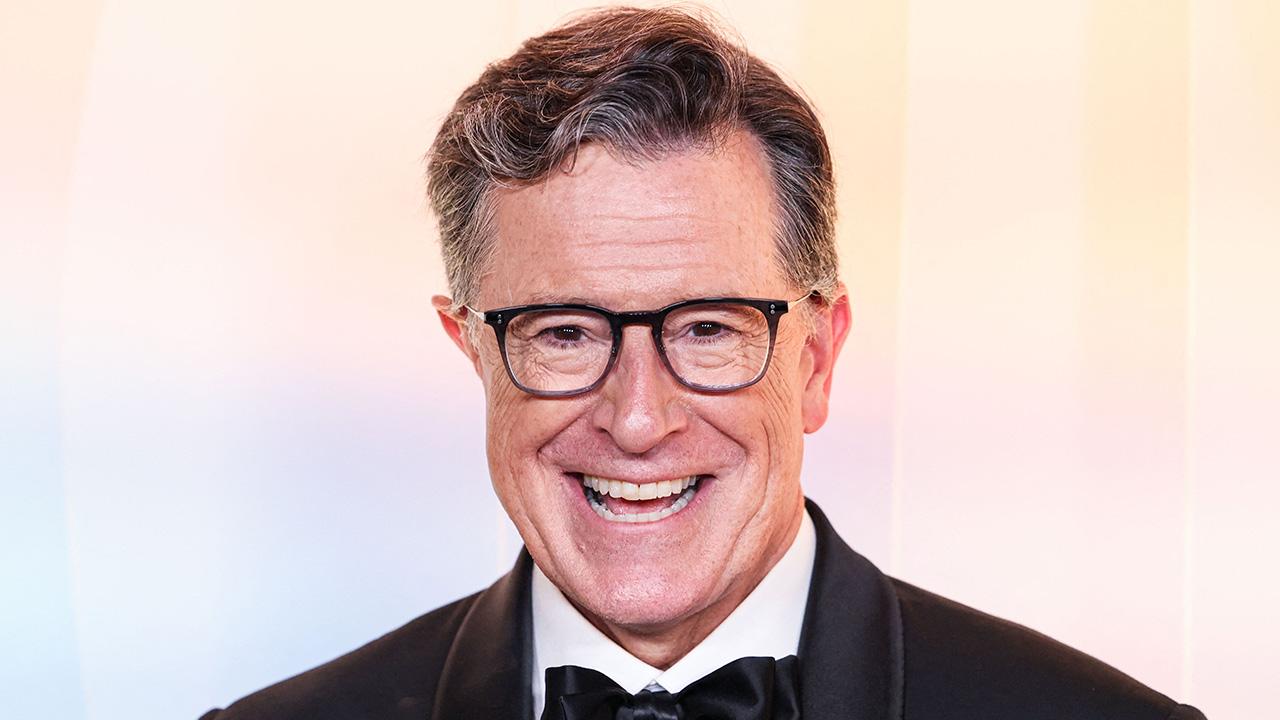
Late-night hosts like Kimmel and Colbert have transcended mere entertainers; they often serve as cultural commentators, providing a daily pulse on current events, politics, and social issues. Their monologues and interviews frequently generate headlines and spark national conversations. The departure of a voice like Colbert’s, particularly one known for its intellectual rigor and sharp political insights, creates a noticeable gap in this cultural dialogue, prompting questions about who will fill that space and how the public will continue to engage with such commentary.
Stephen Colbert’s New Creative Horizon
While the immediate future of Stephen Colbert in traditional late-night television remains uncertain, his decision to decline Jimmy Kimmel’s offer is now understood in the context of exciting new creative ventures. Colbert is currently focusing his talents on a significant project outside the talk show format: the development of a new Lord of the Rings film with Warner Bros. Studio. This pivot to a major cinematic undertaking represents a substantial shift in his career trajectory, moving from daily live television to the intricate world of film production.
Details emerging about the project reveal Colbert’s deep engagement. He is co-writing the script alongside his son, Peter McGee, and the Oscar-winning franchise veteran Philippa Boyens, who was instrumental in the screenplays for Peter Jackson’s original Lord of the Rings and The Hobbit trilogies. This collaboration signals a serious commitment to the project and leverage’s Colbert’s well-documented passion for J.R.R. Tolkien’s fantasy world. His extensive knowledge and genuine enthusiasm for Middle-earth are expected to bring a unique perspective to the new film, potentially appealing to both long-time fans and new audiences.
This new path offers Colbert an opportunity to exercise different creative muscles, moving from the immediacy and topicality of late-night to the more expansive, narrative-driven world of filmmaking. It allows him to delve into storytelling on a grand scale, leveraging his comedic timing and intellectual depth in a fresh medium. For an artist who has spent decades honing his craft in various comedic and satirical roles, this cinematic endeavor represents a significant evolution, potentially opening doors to a broader range of creative pursuits in the future.

Despite his new focus, Jimmy Kimmel’s guest host offer still stands. Kimmel’s remark that the offer remains open, "anytime you want to host," reinforces the strong bond and mutual respect between the two hosts. It suggests that while their career paths may diverge, the professional camaraderie forged over years in the competitive late-night arena endures. This sustained invitation speaks to a deeper industry kinship, one that transcends network affiliations and personal career decisions.
The Enduring Camaraderie Amidst Network Rivalry
The narrative of Jimmy Kimmel’s offer to Stephen Colbert and its "premature" decline encapsulates the complex tapestry of relationships within the entertainment industry. It highlights not only the cutthroat competition inherent in late-night television but also the genuine bonds of respect and friendship that can form between rivals. Kimmel’s outspoken defense of Colbert and his generous offer stand as a testament to these personal connections, proving that solidarity can indeed exist across network lines.
Colbert’s strategic decision to pursue a new Lord of the Rings film project rather than immediately return to the late-night guest chair demonstrates a deliberate and forward-thinking approach to his career. It underscores his desire to explore new creative avenues and define his professional future on his own terms, rather than being confined to the expectations of his previous role. This move signals a broader trend among established television personalities who are increasingly diversifying their portfolios beyond traditional broadcast formats.
As the media landscape continues its rapid evolution, the choices made by figures like Kimmel and Colbert offer valuable insights into the industry’s future. Whether it is through sustained success in traditional slots, public advocacy for peers, or bold ventures into new creative territories, these hosts continue to shape the cultural conversation and redefine what it means to be a prominent voice in entertainment. Kimmel’s offer remains a symbolic gesture of friendship, while Colbert’s new path signifies a bold embrace of change in a constantly shifting world.