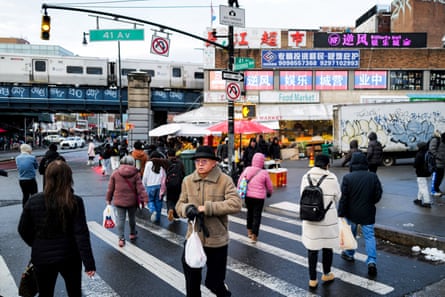
The vibrant sidewalks of Main Street in Flushing, Queens, serve as the economic and cultural heart for one of the largest Chinese immigrant enclaves in the United States, yet a looming $8 billion redevelopment project has ignited a wave of anxiety throughout the neighborhood. Residents and local activists are mobilizing against the proposed Metropolitan Park, a massive casino and entertainment complex slated for the parking lots adjacent to Citi Field at Willets Point. While developers promise a transformative economic engine, New York Chinatown fears impact of $8bn casino development, with many community members characterizing the venture as a "predatory project" that threatens the stability of a vulnerable working-class population.
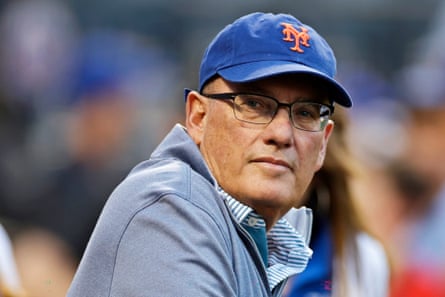
The Metropolitan Park proposal is a high-stakes collaboration between New York Mets owner Steve Cohen and Hard Rock International, operating through an entity known as Queens Future LLC. The ambitious plan seeks to convert 50 acres of asphalt into a multi-use destination featuring a Las Vegas-style casino, a luxury hotel, a sprawling entertainment district, and a public park. Positioned between the neighborhoods of Flushing and Corona, the project represents one of the most expensive and controversial bids for one of New York’s three available downstate casino licenses.
The Scope of Metropolitan Park and the $8bn Vision
The vision for Metropolitan Park is predicated on the idea of turning a "sea of parking" into a year-round destination. According to developers, the project would generate approximately 23,000 jobs, including 15,000 permanent positions and 8,000 construction roles. The proposal includes a $1 billion community benefits package, which developers claim will fund local infrastructure, a dedicated food hall for Queens-based vendors, and mental health services.

A spokesperson for Metropolitan Park emphasized that the project is the result of nearly four years of community engagement, including dozens of public meetings. The developers argue that the site at Willets Point is uniquely suited for such a project because it is currently underutilized and separated from residential blocks by the footprint of Citi Field and the Long Island Rail Road tracks. However, for the residents of nearby Flushing, the physical distance does not mitigate the perceived social and economic risks.
Why New York Chinatown Fears Impact of $8bn Casino Development
The opposition to Metropolitan Park is rooted in a deep-seated fear that the casino will exacerbate existing social ills while extracting wealth from a community that can least afford it. Jack Hu, a 37-year-old Flushing resident and a leading voice in the "No Casino in Flushing Meadows Corona Park" campaign, describes the project as a direct threat to the neighborhood’s fabric. Hu argues that the development was "pushed through" without the genuine consent of the people who will be most affected by its presence.
"A predatory project is being dumped in our community that disproportionately harms our people," Hu stated, reflecting a sentiment shared by many who believe the casino’s primary goal is to target the disposable income of local immigrants. Critics point to the long-standing marketing strategies of the gaming industry, which frequently utilize Chinese-language advertisements, free shuttle buses from immigrant hubs, and specialized loyalty programs to attract Asian American patrons.
The Social Costs of Gambling Addiction in Immigrant Communities
Public health studies have consistently shown that Chinese immigrant communities face higher-than-average rates of problem gambling. This vulnerability is often linked to a complex intersection of cultural beliefs regarding luck and fate, the stress of the immigration experience, and linguistic barriers that prevent access to mainstream mental health services. For many elderly immigrants, casinos represent one of the few accessible forms of entertainment and social interaction, making them particularly susceptible to the industry’s lure.
The personal toll of this addiction is a reality for families like Hu’s. He noted that his father developed a gambling addiction shortly after moving to the United States from Guangzhou in the 1980s. "Casino operators use things like meal coupons, free bus vouchers, and free gambling vouchers to lure working-class Asians into casinos so that they can take their money," Hu explained. The proximity of an $8 billion casino complex, he fears, would only deepen the cycle of addiction for those already struggling.
In response to these concerns, Metropolitan Park developers have signed memorandums of understanding with several local service providers, including Hamilton-Madison House and Korean Community Services. These partnerships are intended to create "culturally sensitive and community-adapted" addiction services. Despite these promises, skeptics argue that the presence of a casino is fundamentally at odds with the goal of preventing gambling-related harm.
Economic Displacement and the Threat to Working-Class Renters
Beyond the social impact, the economic ramifications of the development are a major point of contention. A study by the Urban Institute, a Washington D.C.-based think tank, suggests that the Metropolitan Park project could lead to significant indirect displacement. According to the report, rising property values and subsequent rent hikes could displace nearly 16,000 renters in Flushing and Corona who already spend more than half of their income on housing.
Small business owners in Flushing’s Chinatown are also bracing for potential fallout. The community is already under pressure from global economic shifts and the lingering effects of trade tensions that have increased the cost of imported goods. If commercial rents rise in response to the casino development, many family-run businesses that have served the area for decades may be forced to close.
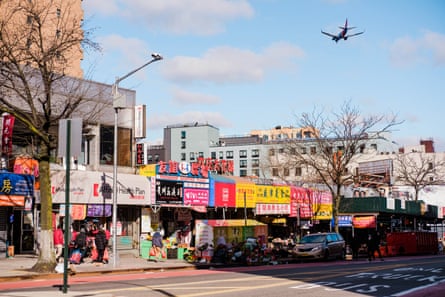
There is also widespread skepticism regarding the "spillover" economic benefits promised by the developers. Residents point to the existing major attractions in the area, such as Citi Field and the USTA Billie Jean King National Tennis Center, noting that sports fans rarely venture into downtown Flushing to patronize local restaurants or shops. "There’s nobody that comes here and drops a load of money at a local restaurant," Hu said. "These events do not pull business into Flushing."
Political Maneuvering and the Parkland Alienation Controversy
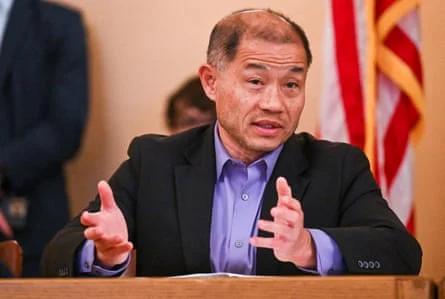
The path to the $8 billion development has been paved by significant legislative maneuvering in Albany. State Senator John Liu introduced Senate Bill S7121A, known as the "parkland alienation" bill, which is essential for the project’s survival. The bill allows for the repurposing of public parkland for non-park uses—a necessary step since the Citi Field parking lots are technically part of Flushing Meadows Corona Park.
The bill has faced intense backlash from environmental and community groups who view it as a giveaway of public assets to a billionaire developer. In exchange for the legislation, Steve Cohen pledged to build "Flushing Skypark," a pedestrian bridge modeled after Manhattan’s High Line that would connect downtown Flushing to Willets Point. Senator Liu’s office defended the move, stating that since the state decided to allow downstate casinos in a 2012 referendum, his focus has been on maximizing public benefits and mitigating harm.
However, campaign finance records have brought additional scrutiny to the political support for the project. Records show that Liu received contributions from the New York Hotel and Motel Trades Council, a labor union that stands to benefit from the thousands of union jobs the Metropolitan Park project would create. Liu’s spokesperson countered that the senator has been a long-time supporter of the union, which represents a diverse workforce of mostly immigrant women of color.
Community Opposition and the Path Forward
While the developers claim to have broad support, a poll conducted by Public Policy Polling and shared with the Guardian suggests a different reality. The survey found that 61% of likely Democratic voters in New York’s 6th Congressional District oppose the casino project, while only 20% support it. Chuck Park, a former congressional candidate who commissioned the poll, said his campaign knocked on 6,000 doors and heard a consistent message of rejection.
"We heard from socially conservative first-generation immigrants who thought the casino would bring crime and human trafficking," Park said. "We also heard from young progressive activists that this casino is a giveaway of public land to a billionaire who just wants to make himself even richer." Park described casinos as "the worst form of aggressive tax," arguing that they systematically milk money from low-income members of the local community.
The New York State Gaming Commission is expected to make a final decision on the downstate casino licenses in the coming months. The Metropolitan Park team remains confident, citing their comprehensive environmental impact study which concluded that the project would not directly displace any existing businesses or residents. They maintain that the $100 million in anticipated local spending and the creation of a "world-class" park will ultimately benefit the borough.
As the approval process enters its final stages, the tension between the promise of an $8 billion investment and the fears of a historic immigrant community remains unresolved. For the shoppers and business owners on Main Street, the debate is about more than just a casino; it is about the future of a neighborhood that has long served as a gateway to the American Dream. Whether the Metropolitan Park project becomes a catalyst for growth or a source of predatory extraction remains the central question for the residents of Flushing.