At least eleven people were confirmed dead across Ukraine following a day of intense aerial bombardments and shelling, with Kyiv and Moscow trading accusations and reporting significant casualties in their respective territories. The latest wave of violence underscores the escalating nature of the conflict, as both sides continue to inflict damage on civilian infrastructure and military targets. Russian missile strikes claimed six lives in the Kyiv region, while Ukrainian actions targeting Russia’s Kirov region resulted in six fatalities, officials from both nations confirmed Friday.
The grim tally highlights the persistent human cost of the protracted war, which shows no signs of abating. Ukrainian President Volodymyr Zelenskyy decried the Russian assault on his nation’s capital, emphasizing the ongoing rescue operations in the aftermath of the deadly missile barrage. Simultaneously, Ukrainian forces have intensified their long-range strikes, targeting Russian logistical hubs and industrial sites, including a significant e-commerce company’s warehouses.
Escalating Strikes Batter Ukrainian Cities
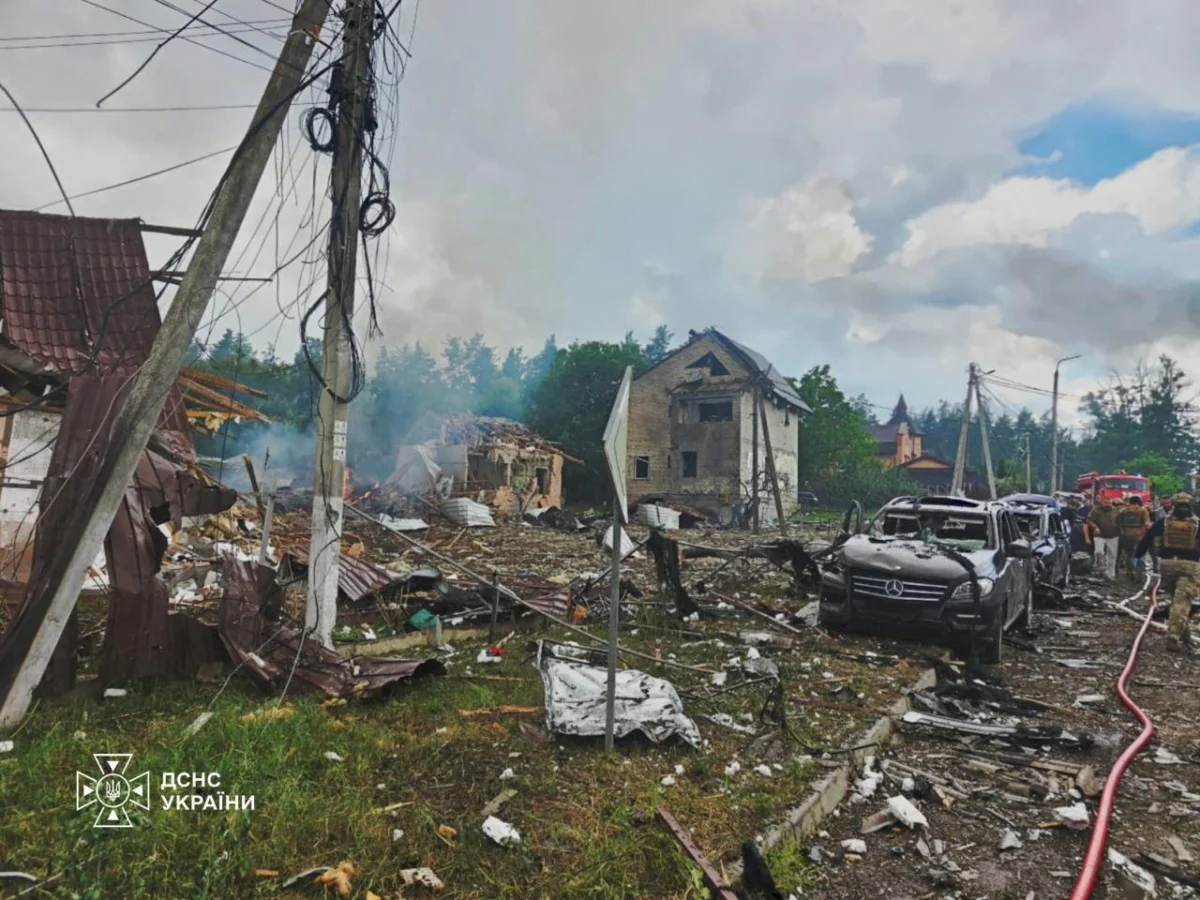
The capital city of Kyiv found itself once again in the crosshairs of Russian forces, experiencing a significant missile attack that resulted in multiple fatalities and injuries. Ukrainian President Volodymyr Zelenskyy confirmed that six individuals lost their lives in the strike, with dozens more sustaining injuries. The attack, which occurred during daylight hours, was described as unusual by observers, suggesting a potential shift in Russian operational tactics.
Kyiv Mayor Vitali Klitschko alerted residents to the danger, urging them to seek shelter as air defense systems engaged the incoming threats. The city’s emergency services were quickly deployed to the affected areas to conduct rescue and recovery operations amidst the widespread destruction. The targeting of residential areas and civilian infrastructure remains a grim hallmark of the ongoing conflict.
Beyond the capital, the eastern city of Sloviansk became another focal point of Russian aggression. Governor Vadym Filashkin reported that five people were killed and nine others injured when Moscow unleashed two aviation bombs on the city. Filashkin underscored the relentless nature of Russian attacks, noting that Sloviansk had suffered casualties for the second consecutive day. He issued a stark warning to those residing near the front lines, imploring them to evacuate the area to avoid further loss of life.
Unusual Daytime Attacks Signal Shifting Tactics
The timing of the Russian missile strikes on Kyiv, occurring during daytime hours, has been noted as an atypical development. Audrey MacAlpine, reporting from Kyiv for Al Jazeera, observed that such ballistic attacks are more commonly conducted under the cover of darkness. This deviation from established patterns may indicate a strategic adjustment by Moscow or an attempt to overwhelm Ukrainian defenses through unpredictable timing.
In the southern Mykolaiv region, a Russian drone attack specifically targeted port infrastructure. Acting regional governor Heorhii Reshetilov reported that two civilian vessels sustained damage in the assault. Fortunately, there were no reported injuries in this particular incident, though the attack underscores the continued Russian efforts to disrupt Ukraine’s maritime capabilities and supply lines.
Adding to the military pressure, Russia claimed to have seized control of the villages of Zakharivka and Ivashchyne in Ukraine’s Kharkiv region. Moscow also asserted its forces had struck 27 vessels utilized by the Ukrainian military over the preceding week, signaling an intensification of naval and coastal warfare.
Imminent Threats and Escalating Ballistic Attacks
Amidst the ongoing assaults, concerns are mounting over the potential for further large-scale attacks. Reports circulating on social media and from various officials suggest that another significant offensive could be imminent in the coming days. MacAlpine commented on the escalating threat, noting that ballistic missile attacks on Ukrainian cities have become increasingly frequent throughout the summer and show no indication of slowing down. This persistent threat keeps the civilian population in a state of heightened alert and fear.

Ukrainian Counter-Strikes Target Russian Logistics
In parallel to the attacks on Ukrainian soil, Kyiv has demonstrably ramped up its long-range strikes into Russian territory, focusing on logistical and economic infrastructure. In Russia’s Kirov region, a Ukrainian missile attack on a factory resulted in the deaths of six people and injured 26 others, according to regional governor Alexander Sokolov. This incident marks a significant casualty count in a Ukrainian strike on Russian soil.
A prominent target of these Ukrainian operations has been the Russian e-commerce giant, Wildberries. A warehouse belonging to the company was hit, continuing a pattern of attacks on its distribution centers. Wildberries founder Tatyana Kim confirmed that warehouses in Saint Petersburg, the surrounding Leningrad region, and Simferopol in Crimea had been targeted.
Kim reported that while some premises and goods were saved, and a swift evacuation of staff was carried out at all affected locations, the repeated attacks are impacting the company’s operations. She expressed gratitude to the employees for their swift response during the evacuations. Preliminary reports indicated no casualties among Wildberries personnel during the latest strikes.
Repercussions for Russian E-commerce and Supply Chains
The repeated targeting of Wildberries warehouses poses a significant challenge to the company’s extensive logistical network and its ability to supply goods across Russia and occupied territories. The company is now focused on redistributing inventory to maintain stock turnover and ensure the economic stability of its business partners. These strikes not only disrupt commercial activities but also serve as a strategic blow to Russia’s domestic economy and its ability to sustain operations in occupied regions.
Ukrainian President Volodymyr Zelenskyy acknowledged and lauded these strikes, referring to them as "successful" operations against Russian logistics. His comments on social media suggest a deliberate strategy by Kyiv to disrupt Russia’s supply chains and inflict economic pressure. Since the preceding weekend, Wildberries warehouses have been targeted four times, indicating a sustained and escalating campaign by Ukrainian forces.
Unprecedented Drone Barrage Reported by Russia
In a separate development, the Russian Ministry of Defense claimed to have intercepted an unprecedented number of Ukrainian drones overnight. The ministry reported shooting down 571 drones, characterizing it as one of the largest barrages ever launched by Kyiv. These claims, if accurate, suggest a significant increase in the scale and sophistication of Ukraine’s long-range drone capabilities.
The ministry stated that these drone attacks targeted more than a dozen Russian regions, in addition to the annexed Crimea region. The sheer volume of intercepted drones points to a concerted and widespread effort by Ukraine to penetrate Russian airspace and strike various targets across a broad geographical area. This tactic aims to stretch Russian air defenses and inflict continuous pressure.
Broader Implications and the Future of Warfare
The ongoing exchange of attacks between Russia and Ukraine is increasingly characterized by long-range strikes on critical infrastructure and logistical networks. This evolving dynamic suggests a shift in the nature of the conflict, moving beyond traditional front-line engagements to encompass a broader strategic battlefield that includes economic and logistical vulnerabilities.
The continued targeting of civilian infrastructure, even indirectly through commercial enterprises, raises serious concerns about the humanitarian consequences of such warfare. The escalating use of drones and missiles by both sides underscores the growing importance of aerial defense systems and the increasing vulnerability of urban and industrial centers.
The international community continues to monitor the situation closely, with many nations providing military and humanitarian aid to Ukraine. The ongoing conflict has profound geopolitical implications, impacting global energy markets, food security, and international relations. The protracted nature of the war and the escalating tactics employed by both sides suggest a long and arduous road ahead, with significant human and economic costs for all involved. The resilience of the Ukrainian people in the face of relentless attacks, and the strategic adaptability of both military forces, will continue to shape the trajectory of this devastating conflict.